How to Say "old man" in Spanish
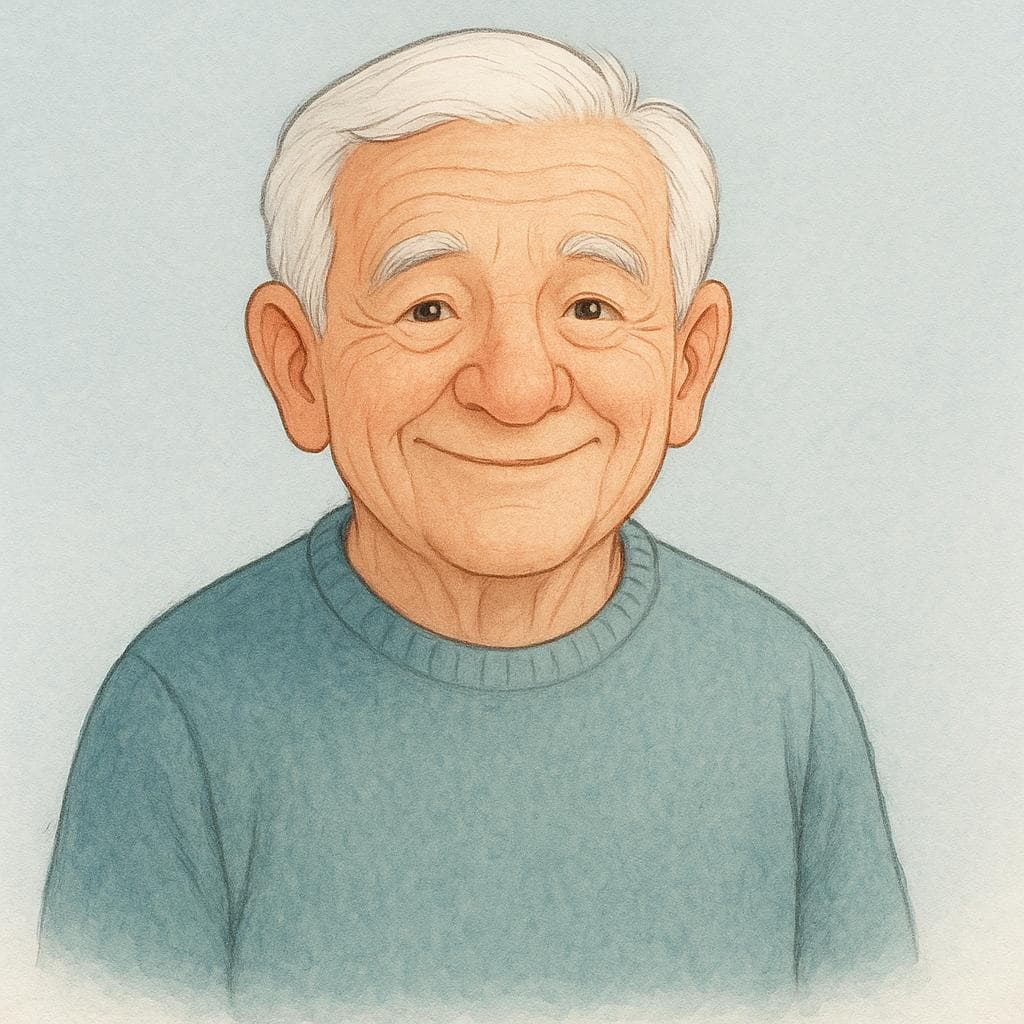
The most common Spanish word for “old man” is “viejo” — use 'viejo' to refer to an elderly man in a general, sometimes informal, context. It can also be used affectionately or even pejoratively depending on tone and relationship.

viejo
byeh-ho'bjexo

Examples
Un viejo amable me ayudó a cruzar la calle.
A kind old man helped me cross the street.
Mi viejo siempre cuenta las mejores historias.
My dad (my old man) always tells the best stories.
¡Qué pasa, viejo! ¿Todo bien?
What's up, dude! All good?
Feminine and Plural Forms
As a noun, it also changes for gender and number. 'Una vieja' is an old woman, 'los viejos' can mean 'the old people' or 'one's parents', and 'las viejas' means 'the old women'.
anciano
ahn-SYAH-nohanˈθjano
Examples
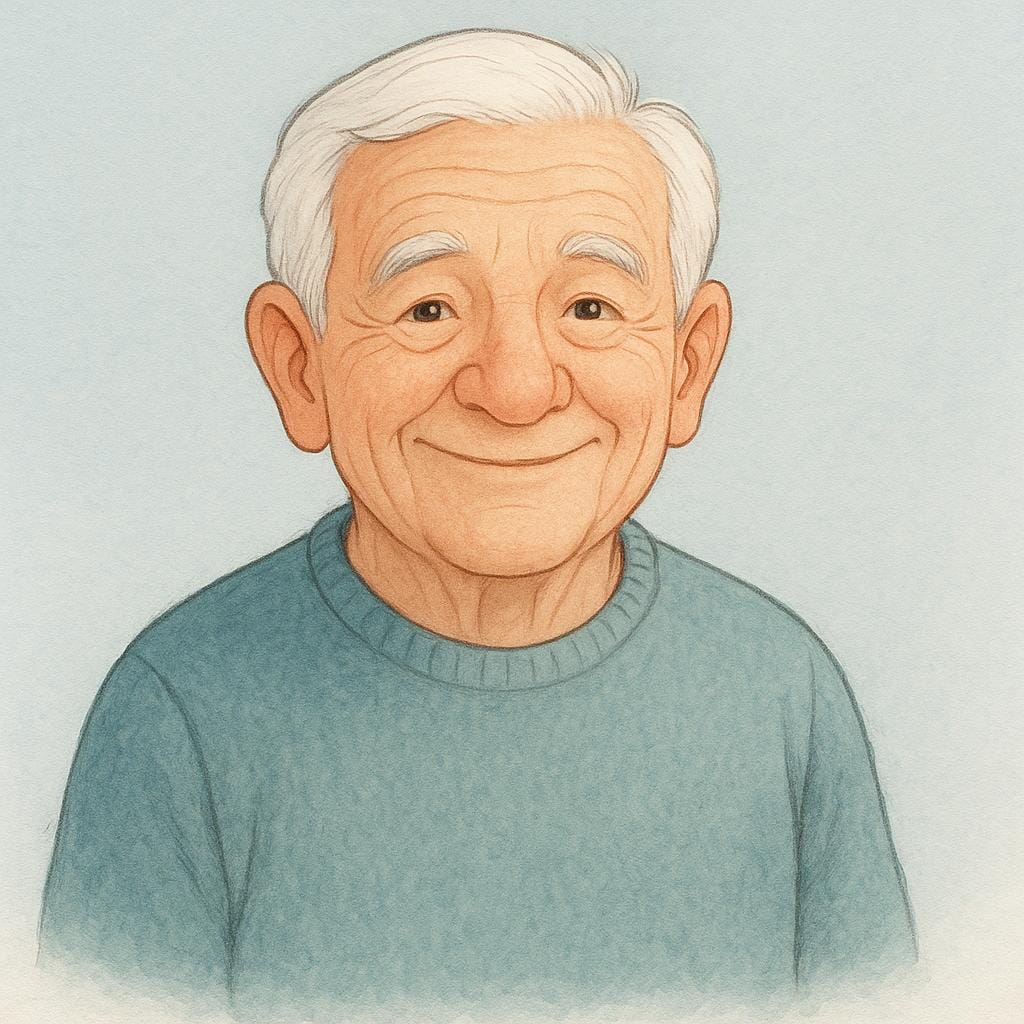
El anciano del pueblo nos contó muchas historias.
The elder (old man) of the village told us many stories.
Los ancianos tienen derecho a un trato especial.
The elderly (plural) have the right to special treatment.
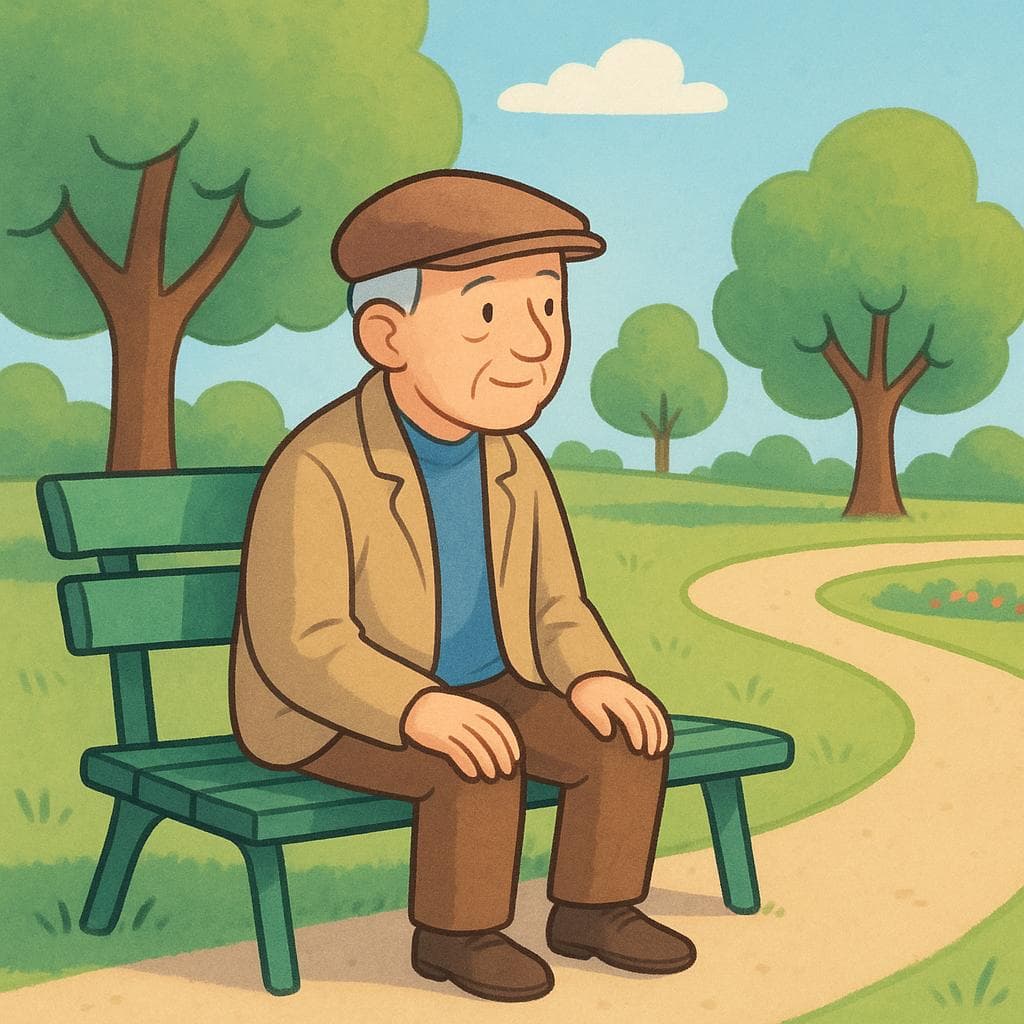
Vimos a una anciana leyendo en el parque.
We saw an old woman reading in the park.
Using the Feminine Form
When referring to an elderly woman, the noun form changes to 'la anciana.' The plural for a group of elderly women is 'las ancianas.' For a mixed group, use the masculine plural: 'los ancianos.'
abuelo
ah-BWEH-lohaˈβwelo
Examples
Un abuelo simpático me ayudó a cruzar la calle.
A nice old man helped me cross the street.
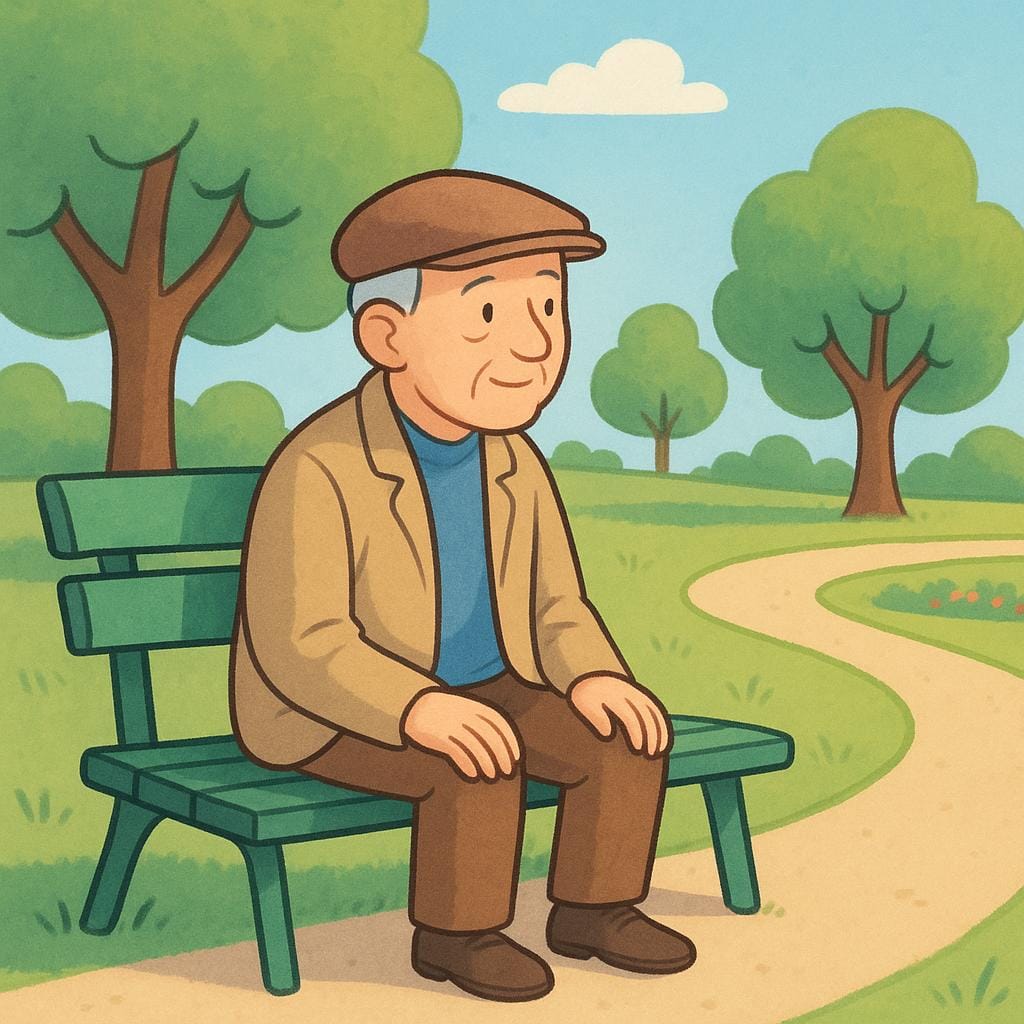
En el parque, siempre hay un grupo de abuelos jugando a las cartas.
In the park, there's always a group of old men playing cards.
General vs. Specific Meanings
Learn Spanish with Inklingo
Interactive stories, personalized learning, and more.