How to Say "elder" in Spanish
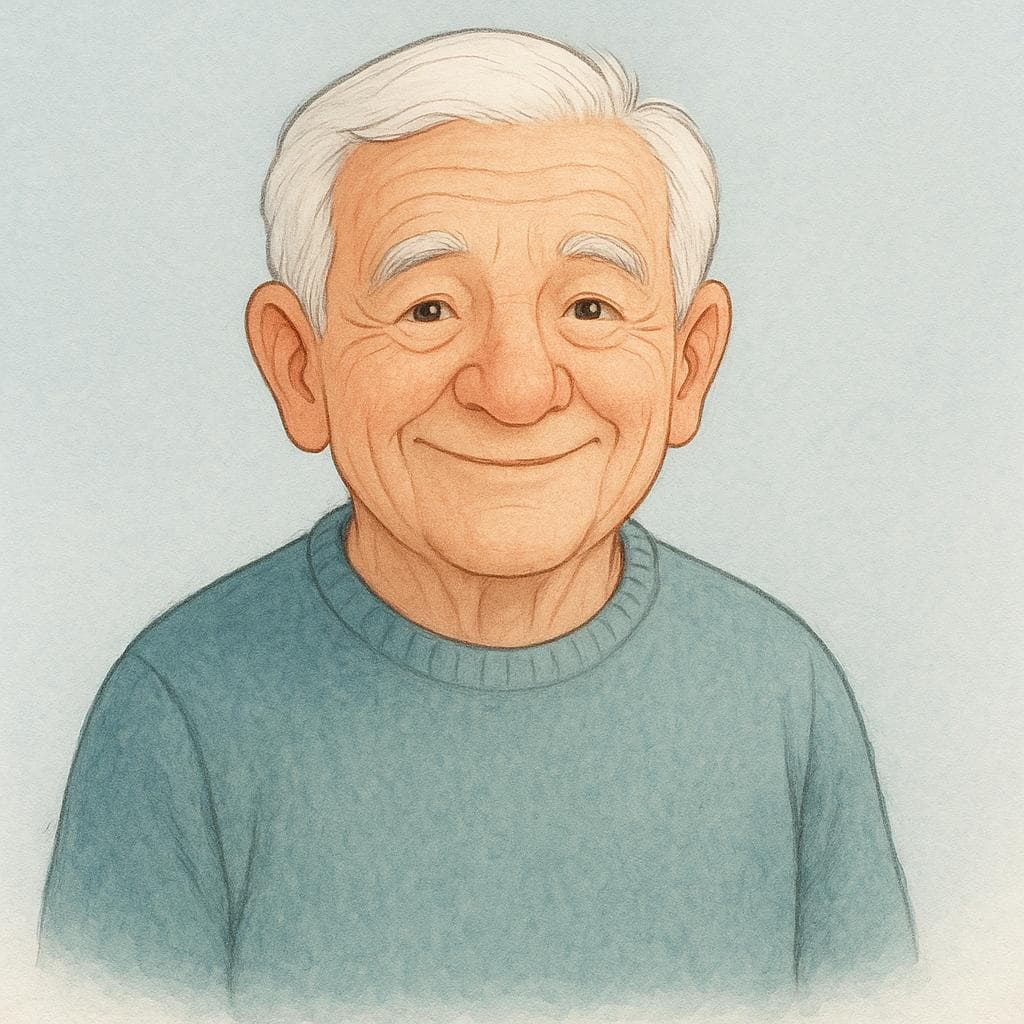
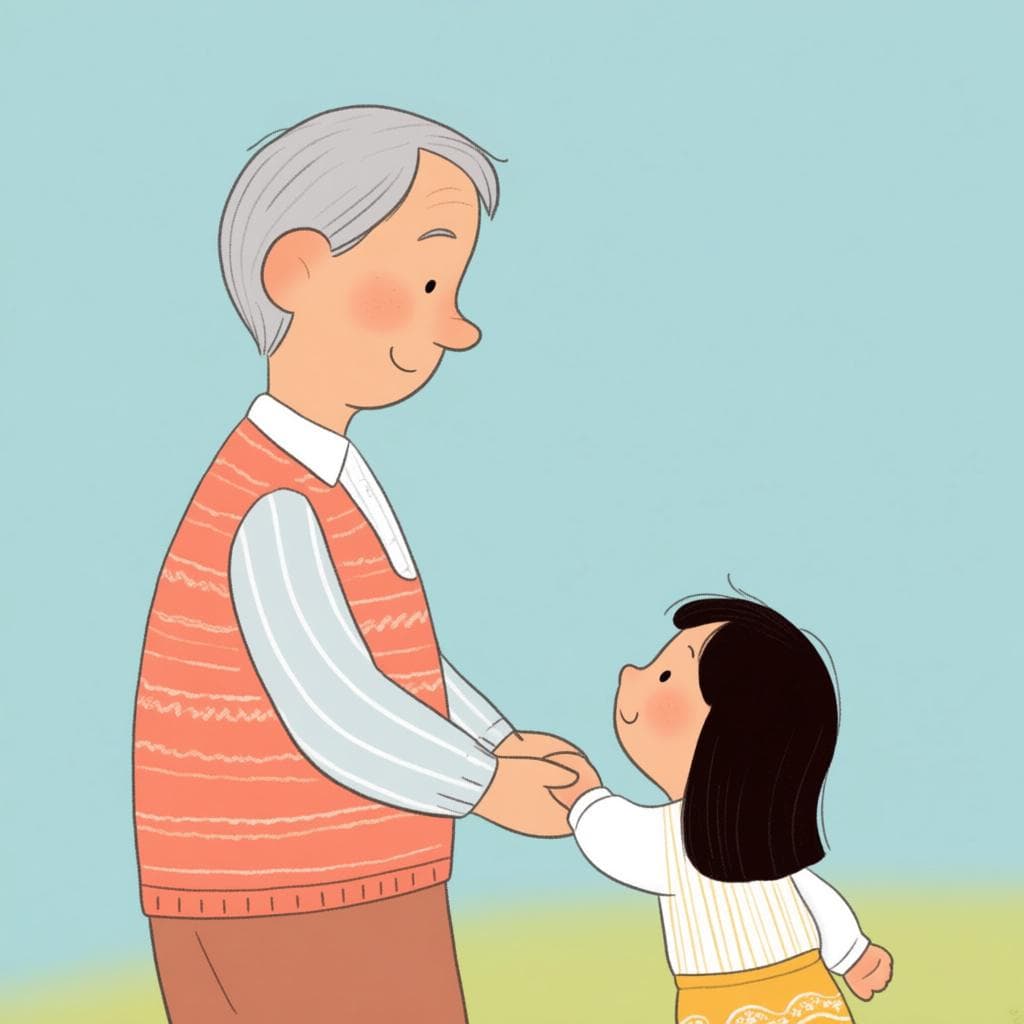
The most common Spanish word for “elder” is “anciano” — use 'anciano' when referring to an older person, often with a sense of respect or acknowledging their age and experience, like an elder in a community.
anciano
ahn-SYAH-nohanˈθjano
Examples
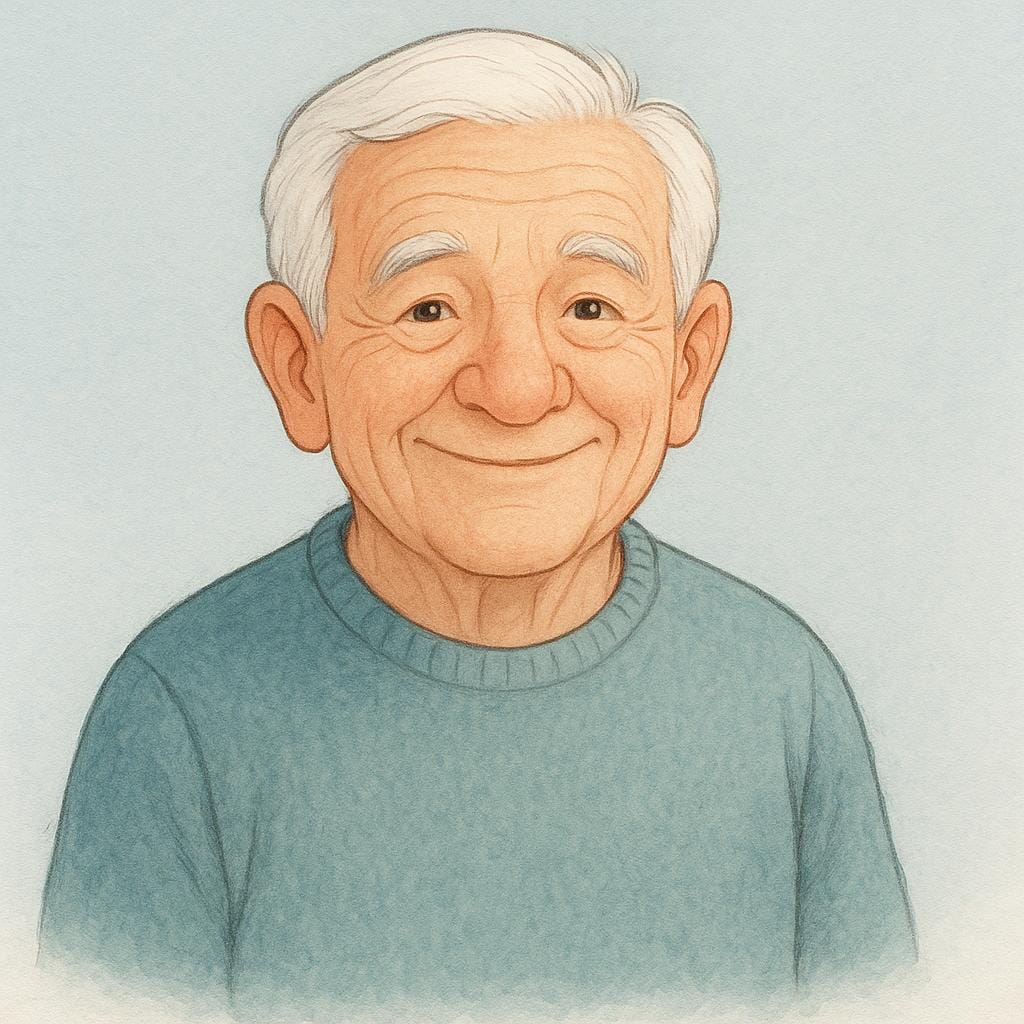
El anciano del pueblo nos contó muchas historias.
The elder (old man) of the village told us many stories.
Los ancianos tienen derecho a un trato especial.
The elderly (plural) have the right to special treatment.
Vimos a una anciana leyendo en el parque.
We saw an old woman reading in the park.
Using the Feminine Form
When referring to an elderly woman, the noun form changes to 'la anciana.' The plural for a group of elderly women is 'las ancianas.' For a mixed group, use the masculine plural: 'los ancianos.'
mayor
mah-YORmaˈʝoɾ
Examples
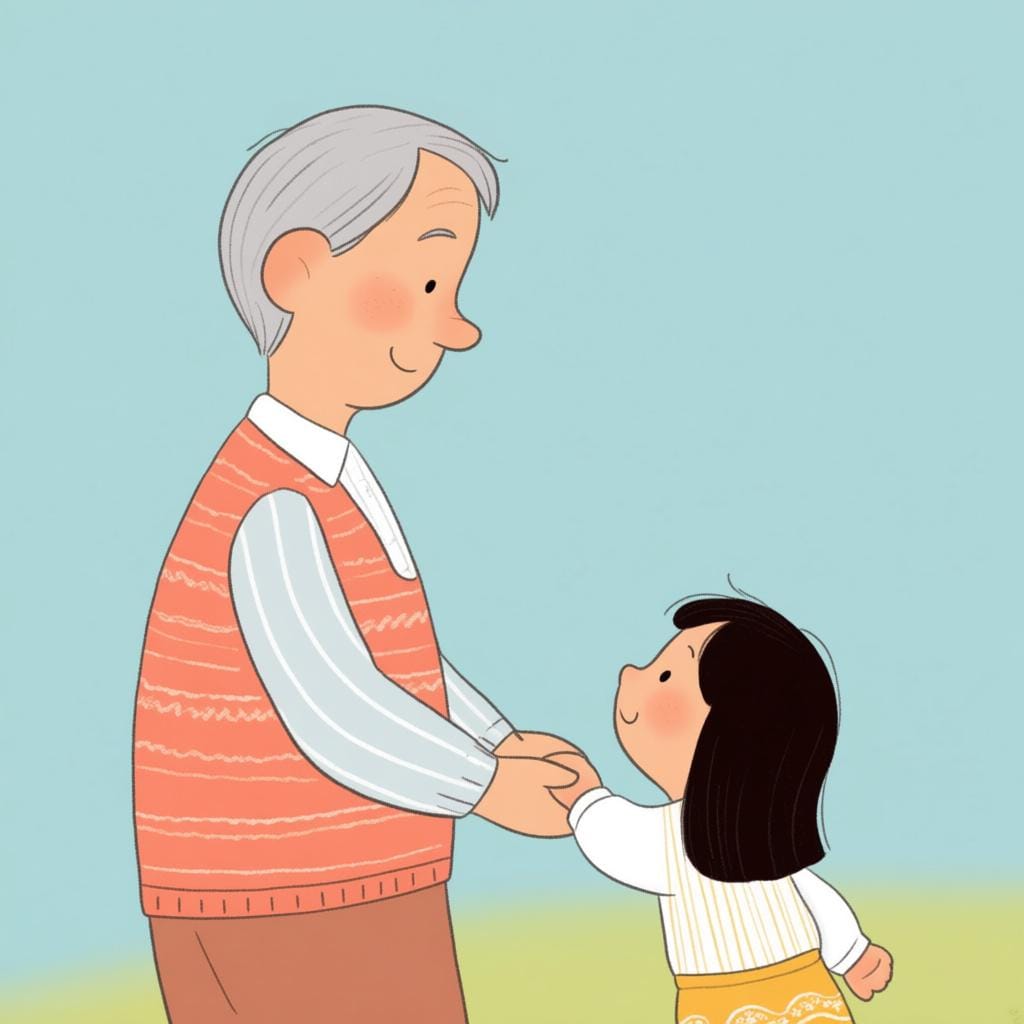
Mi hermano mayor tiene veinte años.
My older brother is twenty years old.
Ella es la mayor de la familia.
She is the eldest in the family.
Soy dos años mayor que tú.
I am two years older than you.
Doesn't Change for Gender
Unlike many Spanish adjectives, 'mayor' doesn't change its ending for masculine or feminine. It's 'el chico mayor' and 'la chica mayor'.
Special Comparative Word
In Spanish, 'older' is a special case. Instead of saying 'más viejo' (more old), you almost always use 'mayor' when talking about people's age. It's more natural and polite.
Using 'más viejo'
Mistake: “Mi hermana es más vieja que yo.”
Correction: Mi hermana es mayor que yo. Using 'viejo' for a person can sound a bit rude, like calling them 'old'. 'Mayor' is the standard, polite way to say 'older'.
Noun vs. Adjective Usage
Related Translations
Learn Spanish with Inklingo
Interactive stories, personalized learning, and more.