How to Say "senior citizen" in Spanish
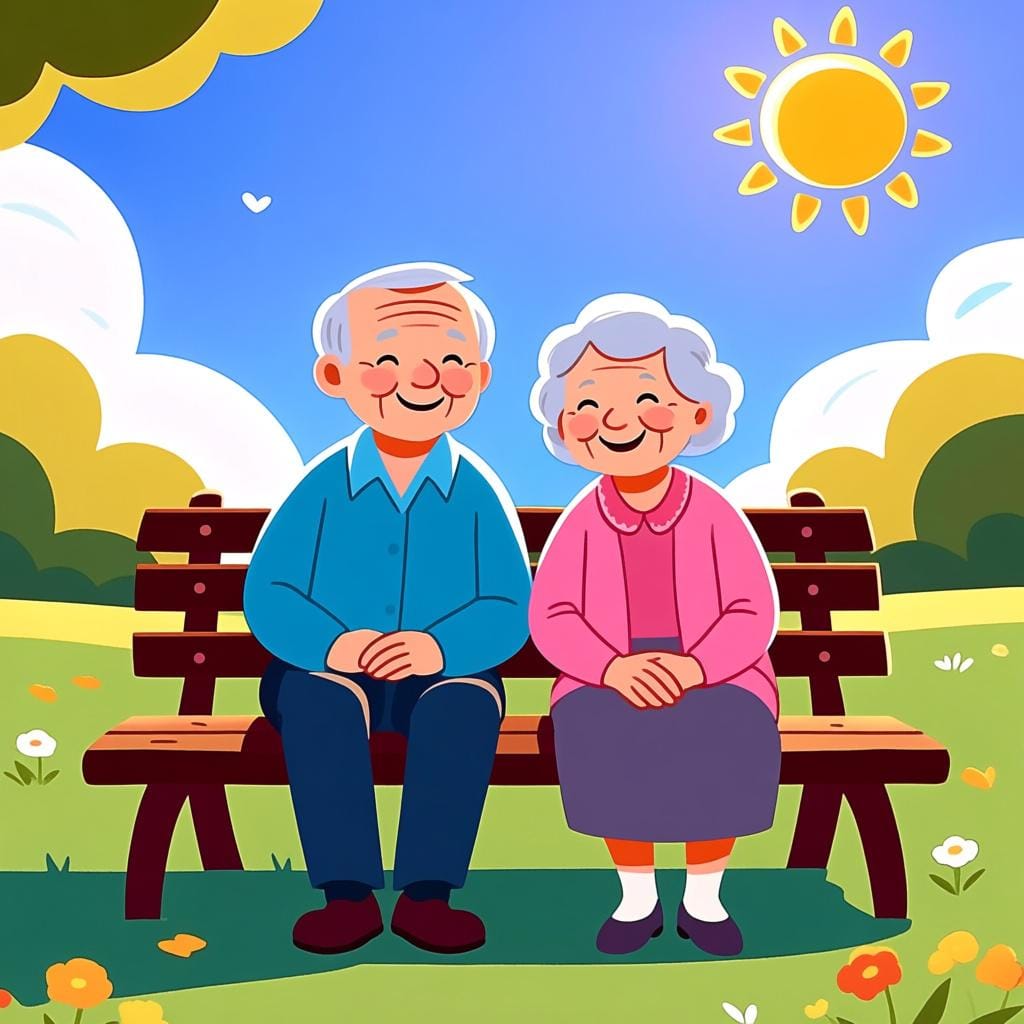
The most common Spanish word for “senior citizen” is “mayor” — use 'mayor' when referring to older people in a general or respectful way, especially in contexts like discounts, public services, or when emphasizing community care.
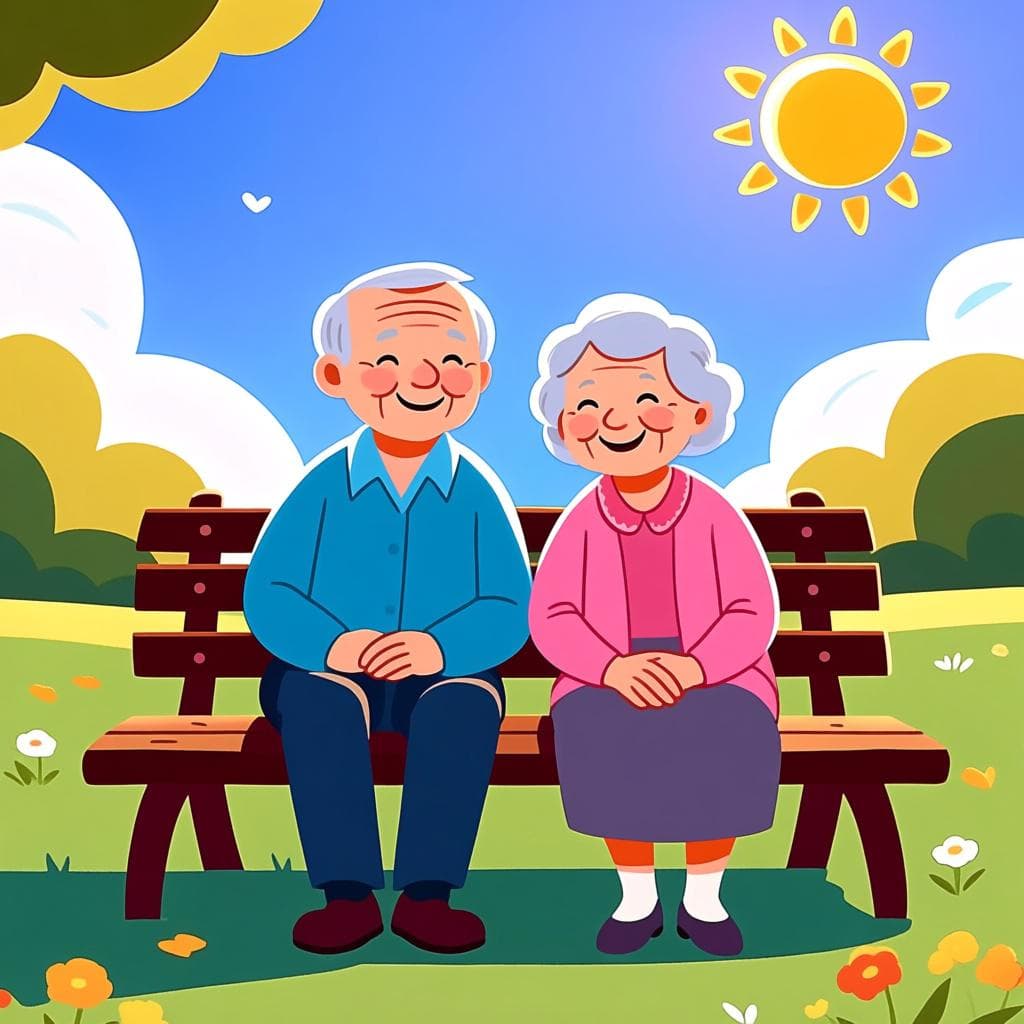
Use 'mayor' when referring to older people in a general or respectful way, especially in contexts like discounts, public services, or when emphasizing community care.
Learn more →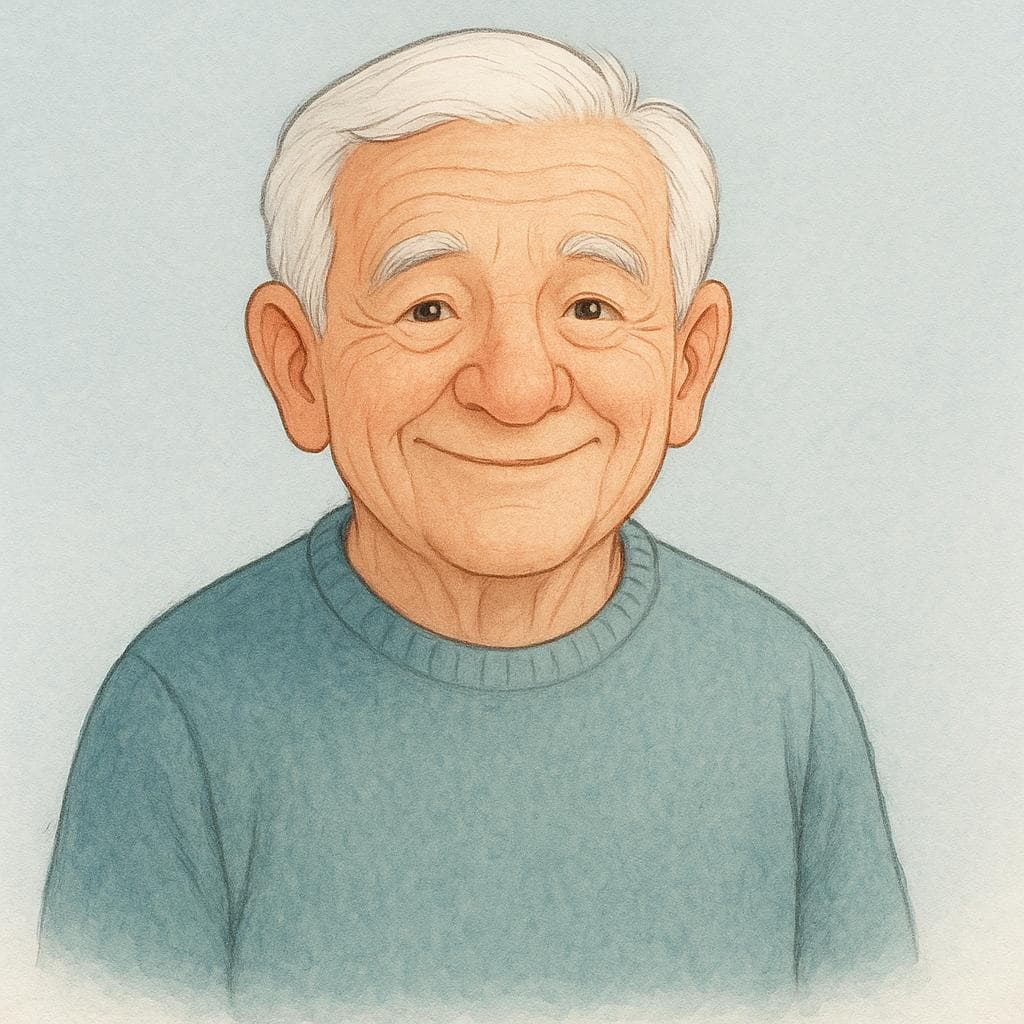
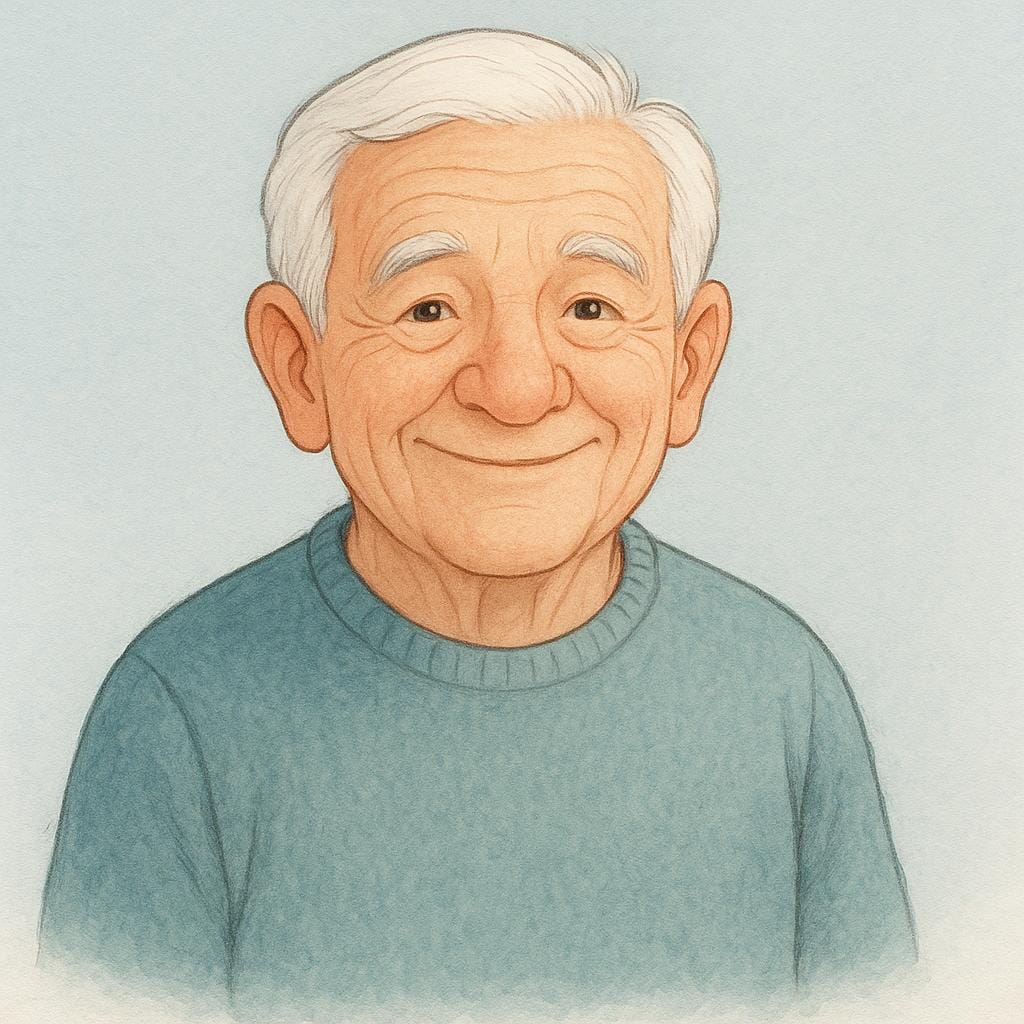
Use 'anciano' when referring to a very old person, often with a sense of respect for their age and experience, or in a more formal or literary context.
Learn more →mah-YORmaˈʝoɾ
Examples
Los mayores de 65 años tienen un descuento especial.
Those over 65 years old get a special discount.
Debemos cuidar a nuestros mayores.
We must take care of our elders.
Hay un descuento para mayores en el museo.
There is a discount for senior citizens at the museum.
Esta película es solo para mayores.
This movie is for adults only.
Using 'Los' or 'Las'
When used as a noun, you'll almost always see it with an article like 'los mayores' (the elderly people/men) or 'las mayores' (the elderly women).
ahn-SYAH-nohanˈθjano
Examples
El anciano sabio del pueblo compartió sus memorias.
The wise elder (old man) of the village shared his memories.
El anciano del pueblo nos contó muchas historias.
The elder (old man) of the village told us many stories.
Los ancianos tienen derecho a un trato especial.
The elderly (plural) have the right to special treatment.
Vimos a una anciana leyendo en el parque.
We saw an old woman reading in the park.
Using the Feminine Form
When referring to an elderly woman, the noun form changes to 'la anciana.' The plural for a group of elderly women is 'las ancianas.' For a mixed group, use the masculine plural: 'los ancianos.'
Choosing Between 'Mayor' and 'Anciano'
Learners often confuse 'mayor' and 'anciano'. While both refer to older people, 'mayor' is more common in everyday speech and for general references, including discounts. 'Anciano' is more formal and implies a greater age or a more literary tone.
Related Translations
Learn Spanish with Inklingo
Interactive stories, personalized learning, and more.