How to Say "eldest" in Spanish
The Spanish word for “eldest” is “mayor” — A1 level. This is a very common word in everyday Spanish.
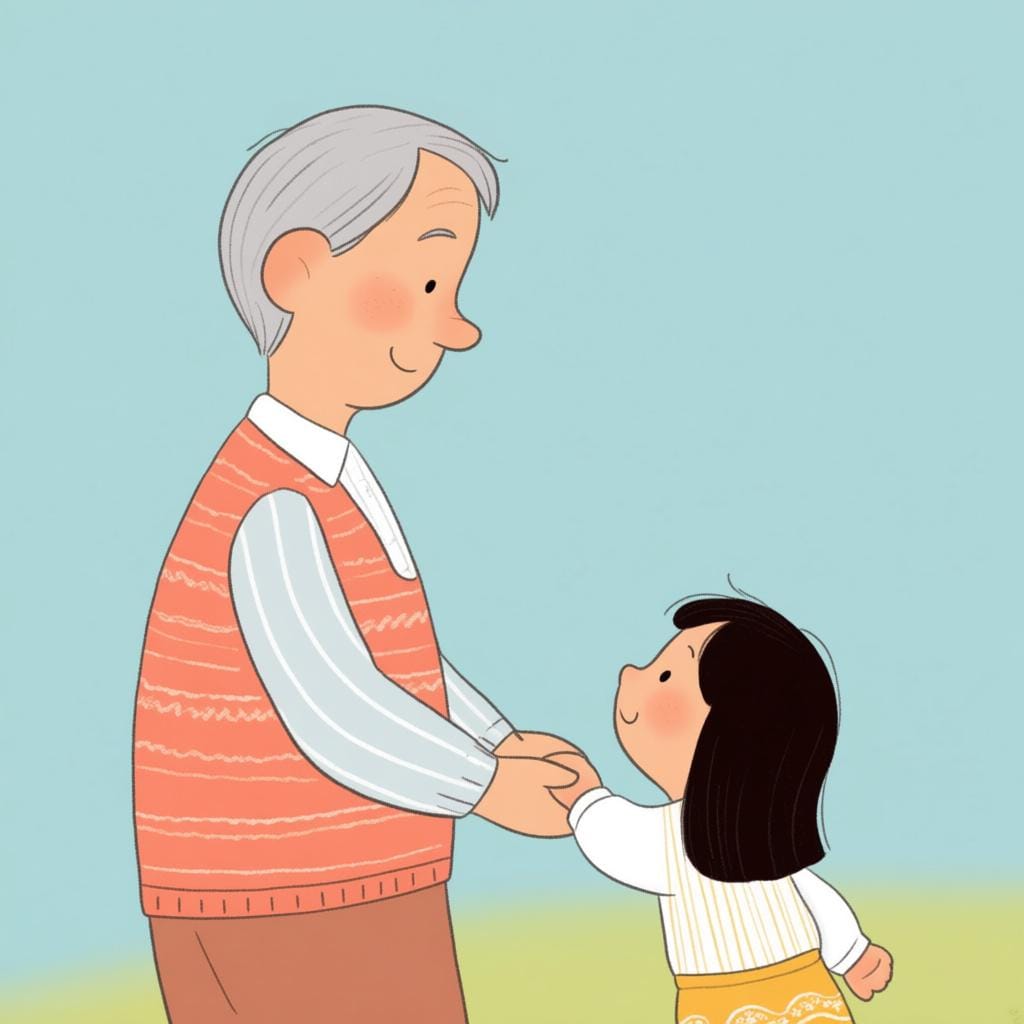
Examples
Mi hermano mayor tiene veinte años.
My older brother is twenty years old.
Ella es la mayor de la familia.
She is the eldest in the family.
Soy dos años mayor que tú.
I am two years older than you.
Doesn't Change for Gender
Unlike many Spanish adjectives, 'mayor' doesn't change its ending for masculine or feminine. It's 'el chico mayor' and 'la chica mayor'.
Special Comparative Word
In Spanish, 'older' is a special case. Instead of saying 'más viejo' (more old), you almost always use 'mayor' when talking about people's age. It's more natural and polite.
Using 'más viejo'
Mistake: “Mi hermana es más vieja que yo.”
Correction: Mi hermana es mayor que yo. Using 'viejo' for a person can sound a bit rude, like calling them 'old'. 'Mayor' is the standard, polite way to say 'older'.
Learn Spanish with Inklingo
Interactive stories, personalized learning, and more.