How to Say "orange" in Spanish
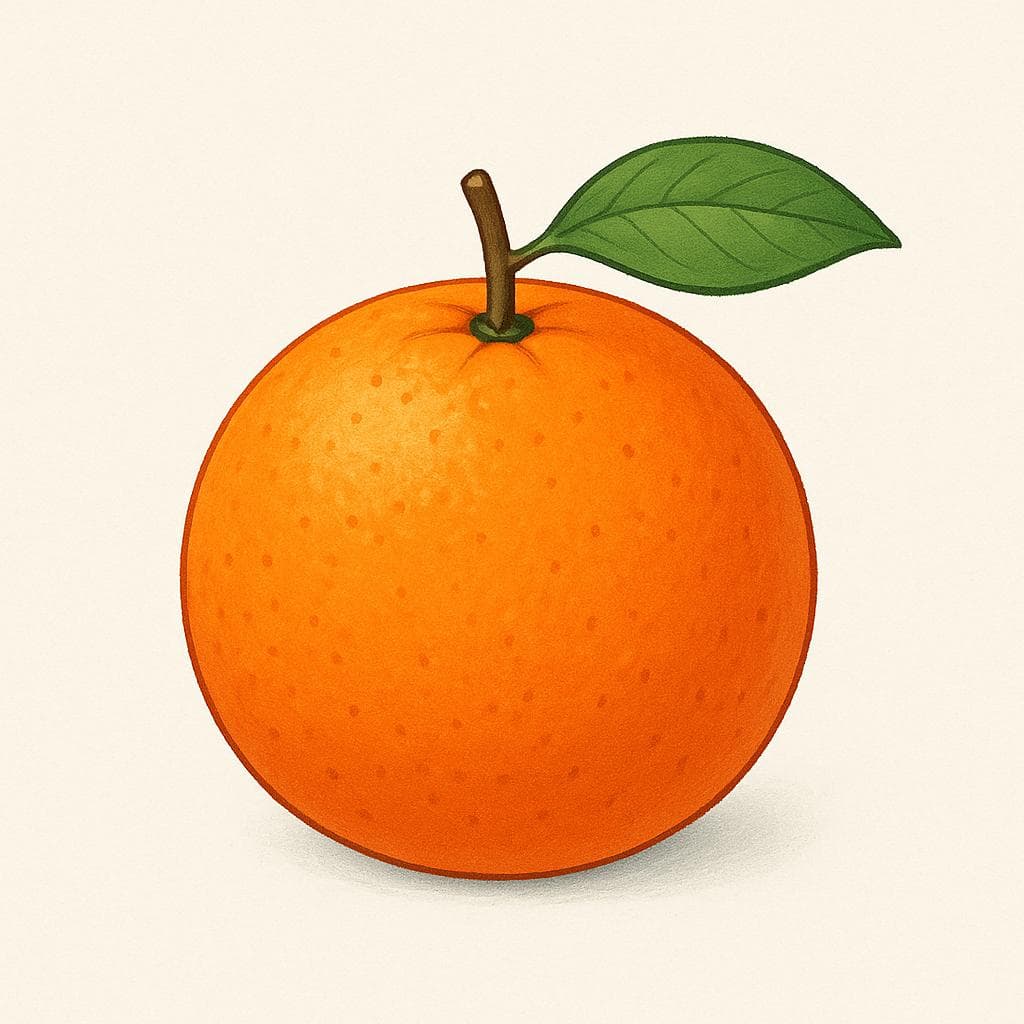
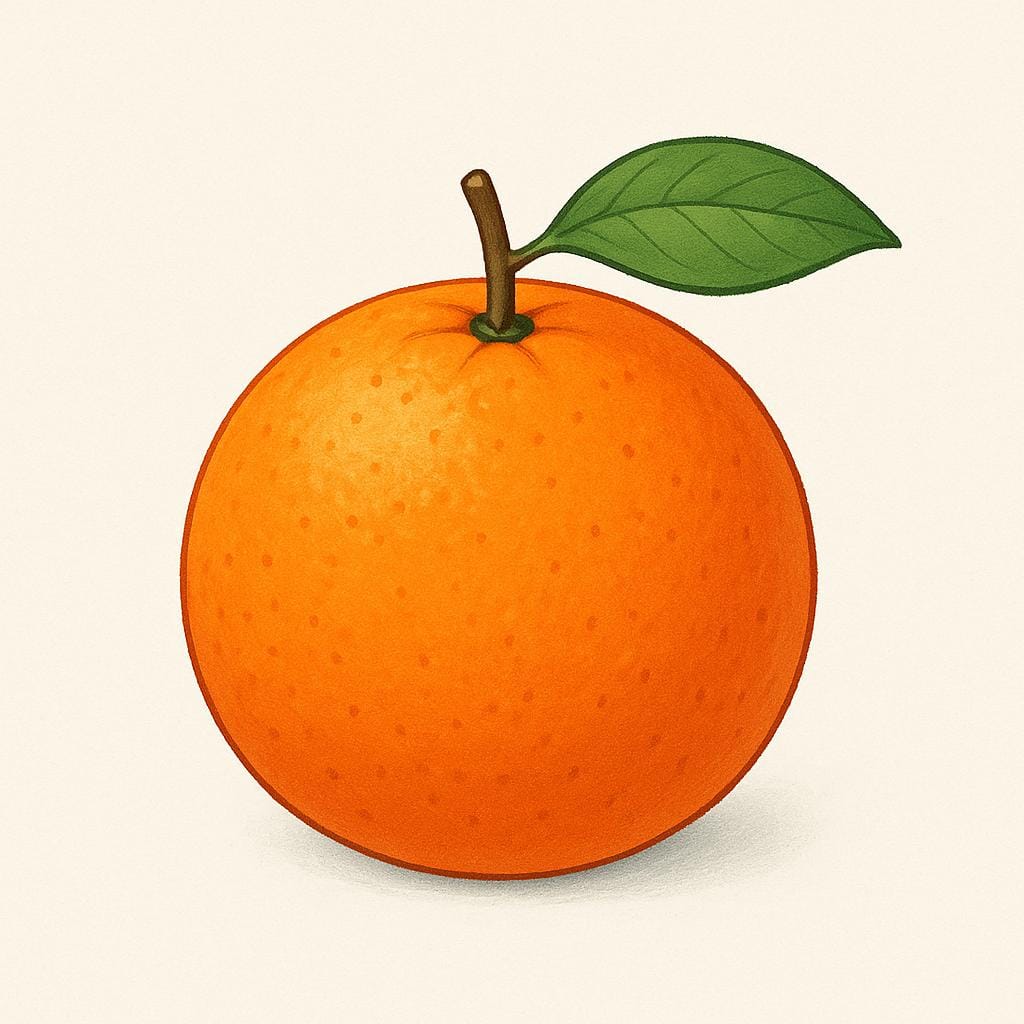
The most common Spanish word for “orange” is “naranja” — use this word for the fruit itself, the common citrus fruit.
nah-RAHN-hahnaˈɾaŋxa
Examples
Me gusta comer una naranja después de cenar.
I like to eat an orange after dinner.
Quiero una naranja dulce para el postre.
I want a sweet orange for dessert.
El zumo de naranja es mi bebida favorita por la mañana.
Orange juice is my favorite drink in the morning.
Compré una bufanda naranja para el invierno.
I bought an orange scarf for the winter.
Gender Check
Since 'naranja' ends in '-a', it is feminine. Always use 'la' or 'una' when referring to the single fruit.
The Invariable Color
When 'naranja' is used to describe a color, it is special: it never changes its ending! It stays 'naranja' whether the thing you are describing is masculine, feminine, singular, or plural.
Using the Wrong Article
Mistake: “El naranja es agria.”
Correction: La naranja es agria. (The orange is sour.)
Changing the Ending
Mistake: “Compramos unas flores naranjas.”
Correction: Compramos unas flores naranja. (The color adjective does not take an '-s' for plural.)
naranja
Examples
El atardecer era de un hermoso color naranja.
The sunset was a beautiful orange color.
china
Examples
En mi país, pedimos jugo de china en lugar de jugo de naranja.
In my country, we ask for orange juice instead of juice of china.
Fruit vs. Color and Regional Use
The most common confusion is using 'naranja' for the color when it's also the primary word for the fruit. Remember, 'naranja' works for both fruit and color in most contexts. 'China' is exclusively for the fruit and less universally understood than 'naranja'.
Related Translations
Learn Spanish with Inklingo
Interactive stories, personalized learning, and more.