How to Say "planner" in Spanish
The most common Spanish word for “planner” is “agenda” — use 'agenda' when referring to a physical or digital book, diary, or calendar used for scheduling appointments, tasks, or events.


agenda
ah-HEN-dahaˈxenda

Examples
Necesito una nueva agenda para el año que viene.
I need a new planner for next year.
Voy a anotar la reunión en mi agenda electrónica.
I am going to write down the meeting in my electronic diary (or planner).
Mi agenda está completamente llena mañana.
My schedule is completely full tomorrow.
A Feminine Noun
Remember that 'agenda' is a feminine word, even though it ends in 'a' (like many masculine words). You always say 'la agenda' or 'una agenda'.
organizador
or-gah-nee-sah-DORoɾɣanisaˈðoɾ

Examples
El organizador de la fiesta hizo un gran trabajo.
The party organizer did a great job.
Hablé con el organizador del evento para pedir un cambio.
I spoke with the event organizer to request a change.
Los organizadores de la conferencia esperan a mil personas.
The conference organizers expect a thousand people.
Compré un organizador para mis zapatos.
I bought an organizer for my shoes.
Changing for gender
When talking about a man, use 'el organizador'. For a woman, simply add an 'a' at the end: 'la organizadora'.
Objects are Masculine
When 'organizador' refers to an object like a box or a shelf, it is always masculine ('el organizador'), even if the things inside it are feminine.
Missing the 'a' for women
Mistake: “Ella es el organizador.”
Correction: Ella es la organizadora. (In Spanish, person-nouns ending in -or almost always add -a for women).
Confusion with 'Agenda'
Mistake: “Escribí la cita en mi organizador.”
Correction: Escribí la cita en mi agenda. (While an app can be an 'organizador', a physical daily diary is usually called an 'agenda').
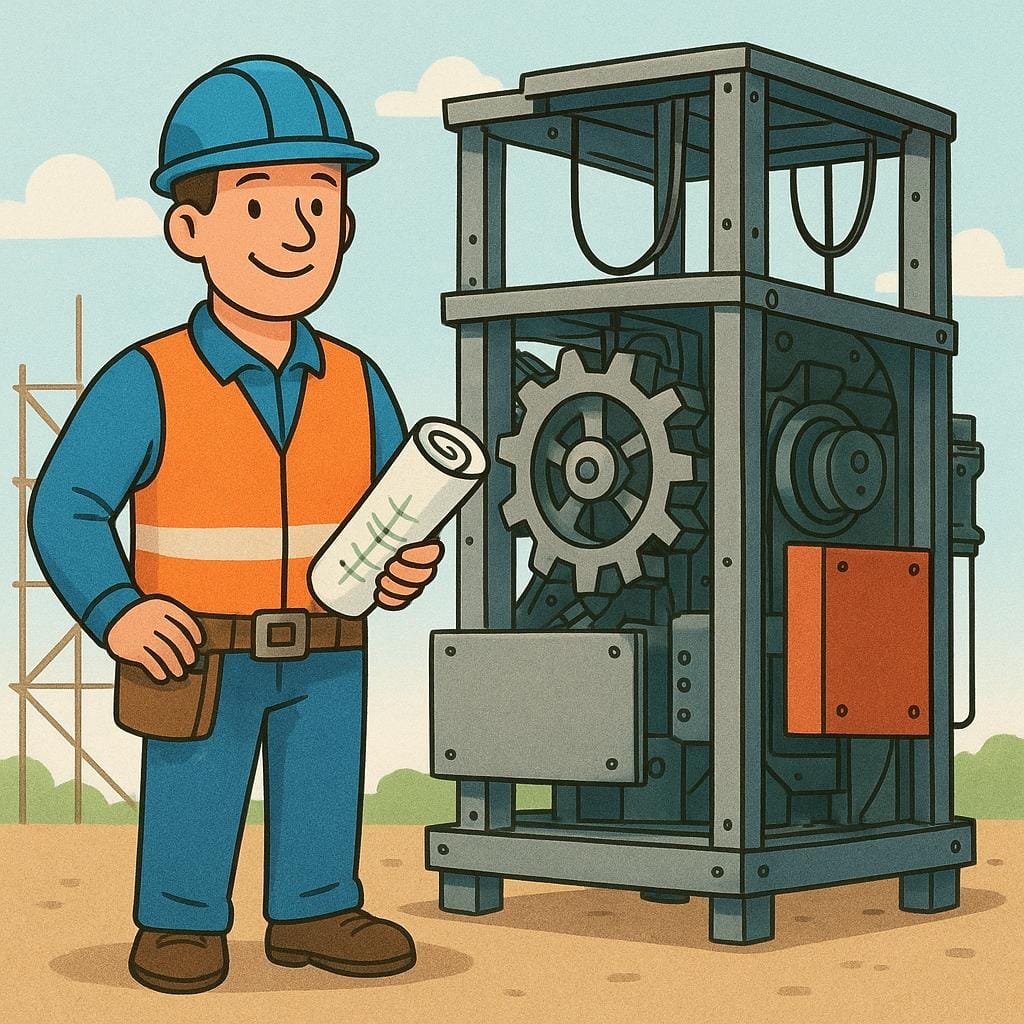
ingeniero
in-kheh-NYEH-rohinxeˈnjeɾo
Examples
Mi hermano es ingeniero civil y diseña puentes.
My brother is a civil engineer and designs bridges.
Necesitamos un ingeniero de software para solucionar este problema de código.
We need a software engineer to solve this code problem.
La junta directiva contrató un ingeniero estructural de renombre para supervisar el proyecto.
The board of directors hired a renowned structural engineer to oversee the project.
Gender and Profession
Since 'ingeniero' ends in 'o,' it is the masculine form. If you are talking about a woman, you must change the ending to 'a': 'ingeniera'.
Using the wrong article
Mistake: “La ingeniero es inteligente.”
Correction: El ingeniero es inteligente. (Use the masculine article 'el' for the masculine noun 'ingeniero'.)
Planner vs. Organizer vs. Engineer
Related Translations
Learn Spanish with Inklingo
Interactive stories, personalized learning, and more.