How to Say "prison" in Spanish
The most common Spanish word for “prison” is “cárcel” — use 'cárcel' for a general, long-term state institution for criminals, or figuratively for a restrictive situation or state of mind.
Use 'cárcel' for a general, long-term state institution for criminals, or figuratively for a restrictive situation or state of mind.
Learn more →Use 'prisión' for a large facility specifically designed for inmates serving long-term sentences.
Learn more →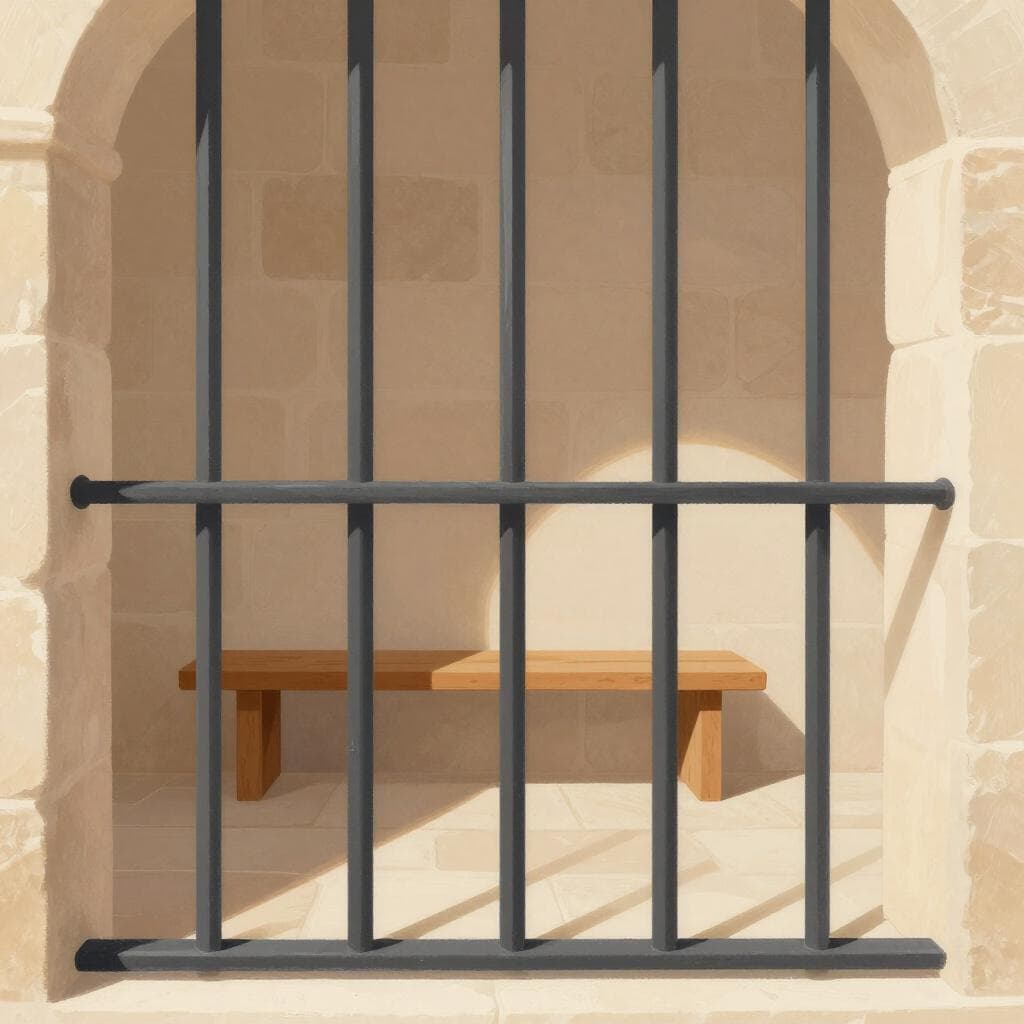
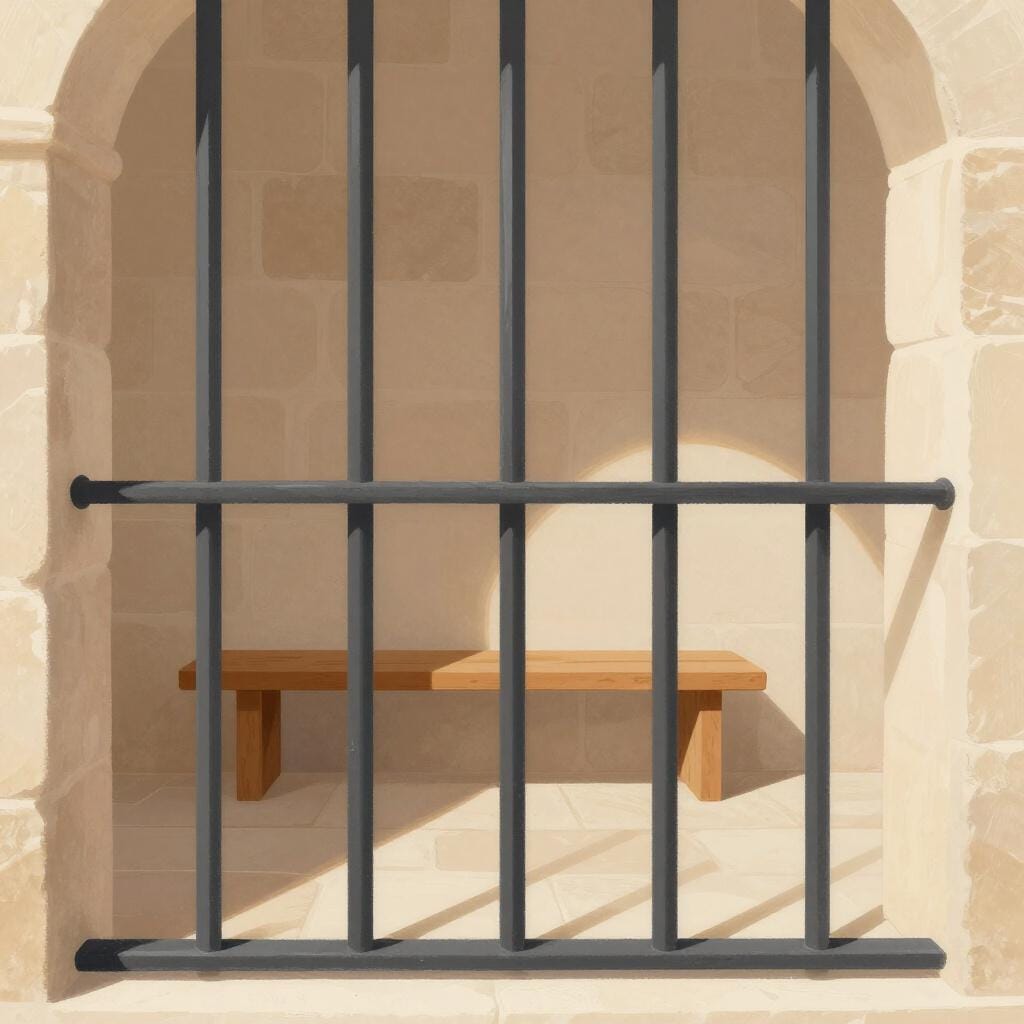
Use 'rejas' to specifically refer to the state of being locked up or behind bars, emphasizing the confinement itself.
Learn more →
Use 'penal' to refer to a correctional facility or penitentiary, often implying a more formal or administrative context.
Learn more →cárcel
Examples
El ladrón fue enviado a la cárcel por diez años.
The thief was sent to prison for ten years.
prisión
Examples
El ladrón fue enviado a la prisión por diez años.
The thief was sent to prison for ten years.
REH-hahsˈrexas
Examples
El criminal pasará diez años tras las rejas.
The criminal will spend ten years behind bars.
Using 'Tras'
In this context, 'tras' (behind) is the most common word used before 'las rejas' to describe someone being in prison.
peh-NAHLpeˈnal

Examples
El recluso fue trasladado al penal de máxima seguridad.
The inmate was transferred to the maximum-security prison.
General vs. Specific Terms
Learners often confuse 'cárcel' and 'prisión' as they can both refer to the institution. While 'cárcel' is more common and can be used figuratively, 'prisión' specifically denotes a place for long-term sentences. 'Penal' is more formal, and 'rejas' focuses on the state of being imprisoned.
Related Translations
Learn Spanish with Inklingo
Interactive stories, personalized learning, and more.