How to Say "protects" in Spanish
The most common Spanish word for “protects” is “protege” — use 'protege' when the meaning is to defend or shield someone or something from physical danger, harm, or threat.


protege
proh-TEH-hehpɾoˈt̪exe

Examples
Ella protege a su familia de todo peligro.
She protects her family from all danger.
¡Protege tu cabeza!
Protect your head!
El gobierno protege las especies en peligro de extinción.
The government protects endangered species.
Spelling Change in 'Yo'
The verb 'proteger' needs a spelling change only in the 'yo' (I) form of the present tense to keep the soft 'g' sound. The 'g' changes to a 'j': 'yo protejo'.
Using the Command Form
'Protege' is the informal command (tú) form. It tells a friend or family member what to do: 'Protege a tu perro' (Protect your dog).
Mistake in 'Yo' Form
Mistake: “Yo protego”
Correction: The correct form is 'Yo protejo'. If you used 'protego', the 'g' would sound hard, like in 'gato'.
cuida
kwee-dahˈkwi.ða

Examples
Mi hermana cuida a mi perro mientras estoy de viaje.
My sister takes care of my dog while I am traveling.
Usted cuida mucho su jardín, se ve hermoso.
You (formal) take great care of your garden; it looks beautiful.
El gobierno no cuida los recursos naturales.
The government does not protect natural resources.
Identifying the Subject
When you see 'cuida,' the person performing the action must be singular: 'he,' 'she,' or 'usted' (formal 'you'). The subject is often left out if it's clear from context.
Confusing 'cuidar' and 'mirar'
Mistake: “Using 'cuida' when you mean 'watches' or 'sees' (Mira la televisión).”
Correction: Use 'cuida' only for the sense of care or responsibility (Cuida a los niños).
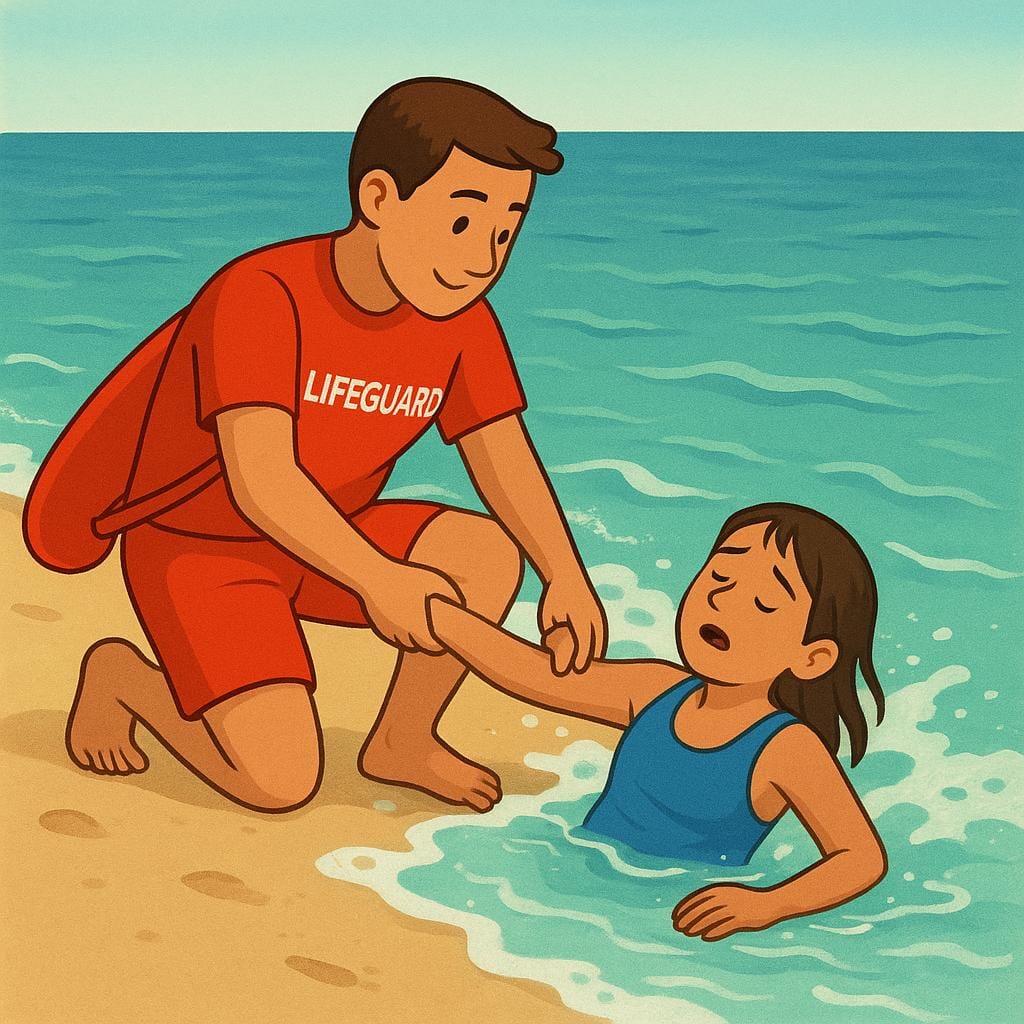
salva
SAHL-vahˈsalβa
Examples
Mi hermana siempre salva la comida que sobra.
My sister always saves the leftover food.
¡Salva los documentos antes de apagar la computadora!
Save the documents before turning off the computer!
El equipo médico salva vidas a diario.
The medical team saves lives daily.
Tú Command Form
When giving a direct, informal command to 'tú' (you), use the same form as the 'él/ella/usted' present tense: ¡Salva! (Save!)
Confusing Imperative Forms
Mistake: “Using 'salvas' as a command.”
Correction: The command form is shorter: '¡Salva el trabajo!' (Save the work!)
Protege vs. Cuida
Related Translations
Learn Spanish with Inklingo
Interactive stories, personalized learning, and more.