How to Say "seats" in Spanish
The most common Spanish word for “seats” is “asientos” — use 'asientos' for designated places to sit, especially in vehicles (cars, buses, planes) or in venues like theaters and stadiums.
a-SYEN-tosaˈsjen.tos
Examples
Todos los asientos de primera clase están ocupados.
All the first-class seats are occupied.
Aseguren sus asientos antes de que el tren arranque.
Secure your seats before the train starts.
Hay que comprar entradas para tener asientos garantizados.
We must buy tickets to have guaranteed seats.
Always Masculine
The singular form is asiento (masculine), so the plural asientos always uses masculine articles and adjectives: los asientos, unos asientos cómodos.
SEE-yasˈsiʎas
Examples
Necesitamos tres sillas más para la cena.
We need three more chairs for dinner.
Las sillas de la oficina son muy cómodas.
The office chairs are very comfortable.
Hay muchas sillas vacías en el auditorio.
There are many empty seats in the auditorium.
Plural of 'silla'
'Sillas' is the plural form of 'silla' (chair). Since 'silla' ends in a vowel, you just add an '-s' to make it plural.
Feminine Agreement
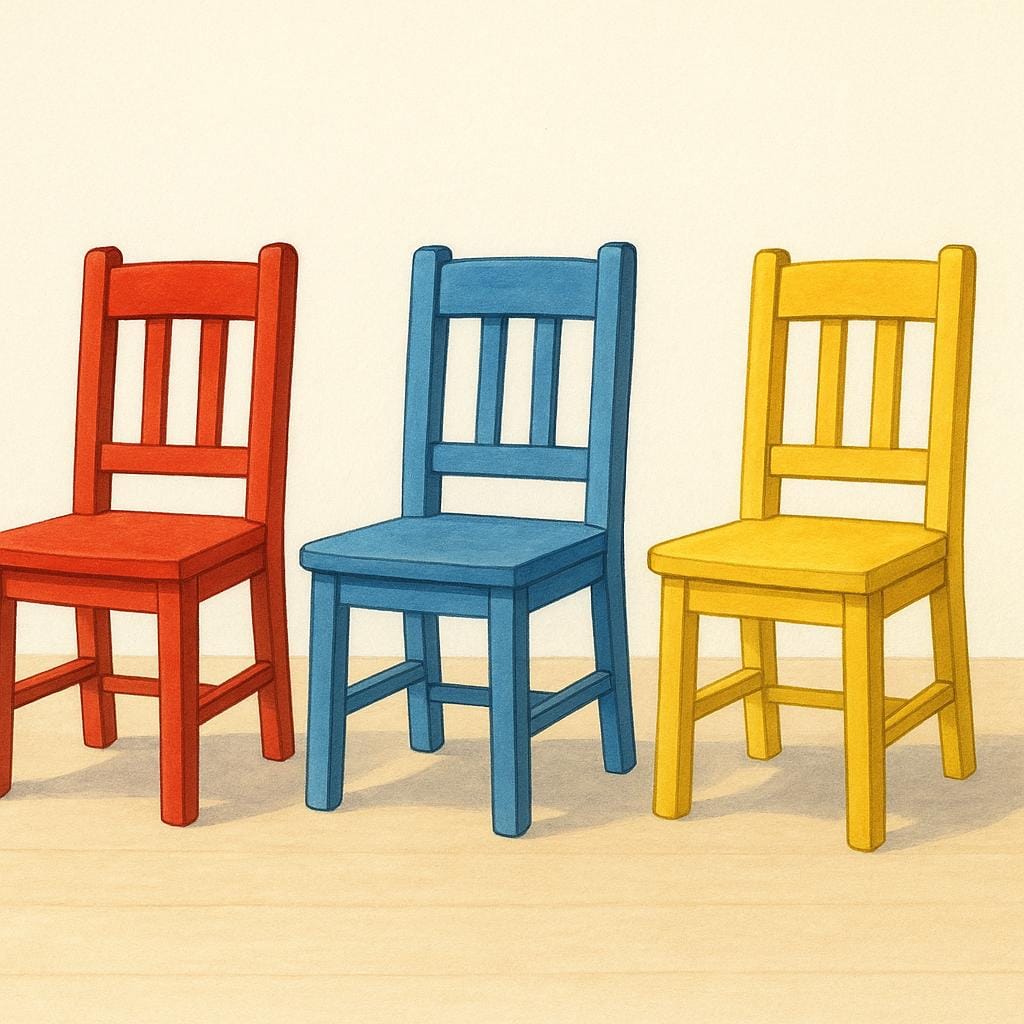
Since 'sillas' is a feminine word, any descriptive words (adjectives) or articles must also be feminine and plural (e.g., las sillas rojas — the red chairs).
Forgetting the Article
Mistake: “Using 'sillas están aquí' (Chairs are here).”
Correction: You usually need the article 'las' when talking about specific or general items: 'Las sillas están aquí' (The chairs are here).
Asientos vs. Sillas
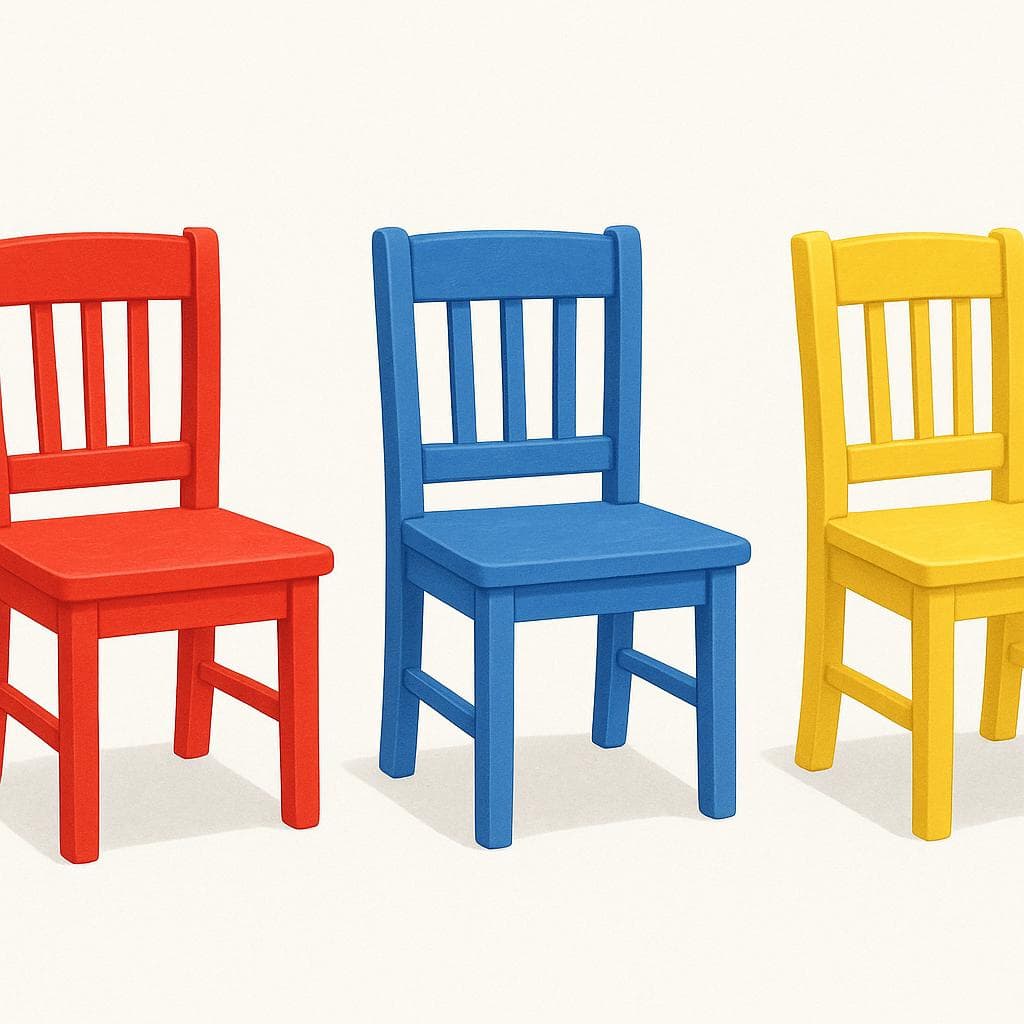
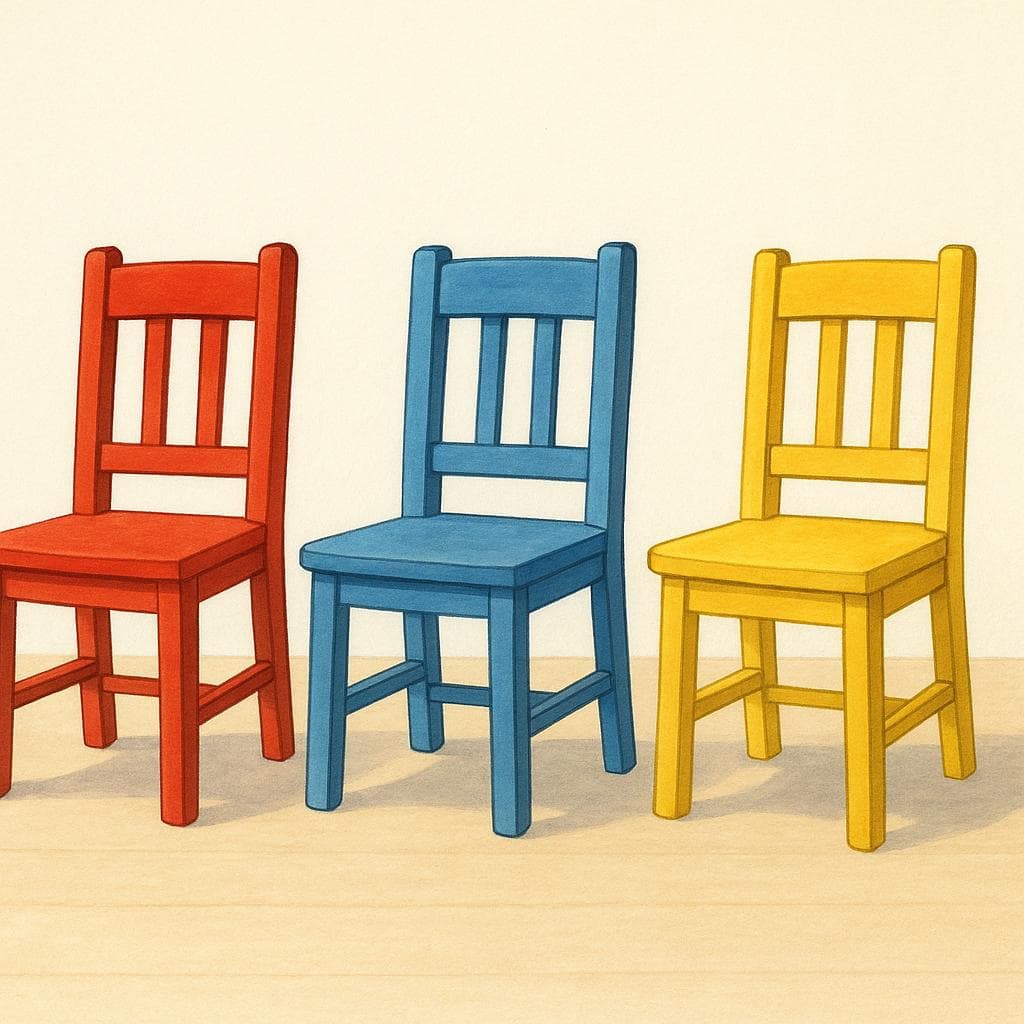
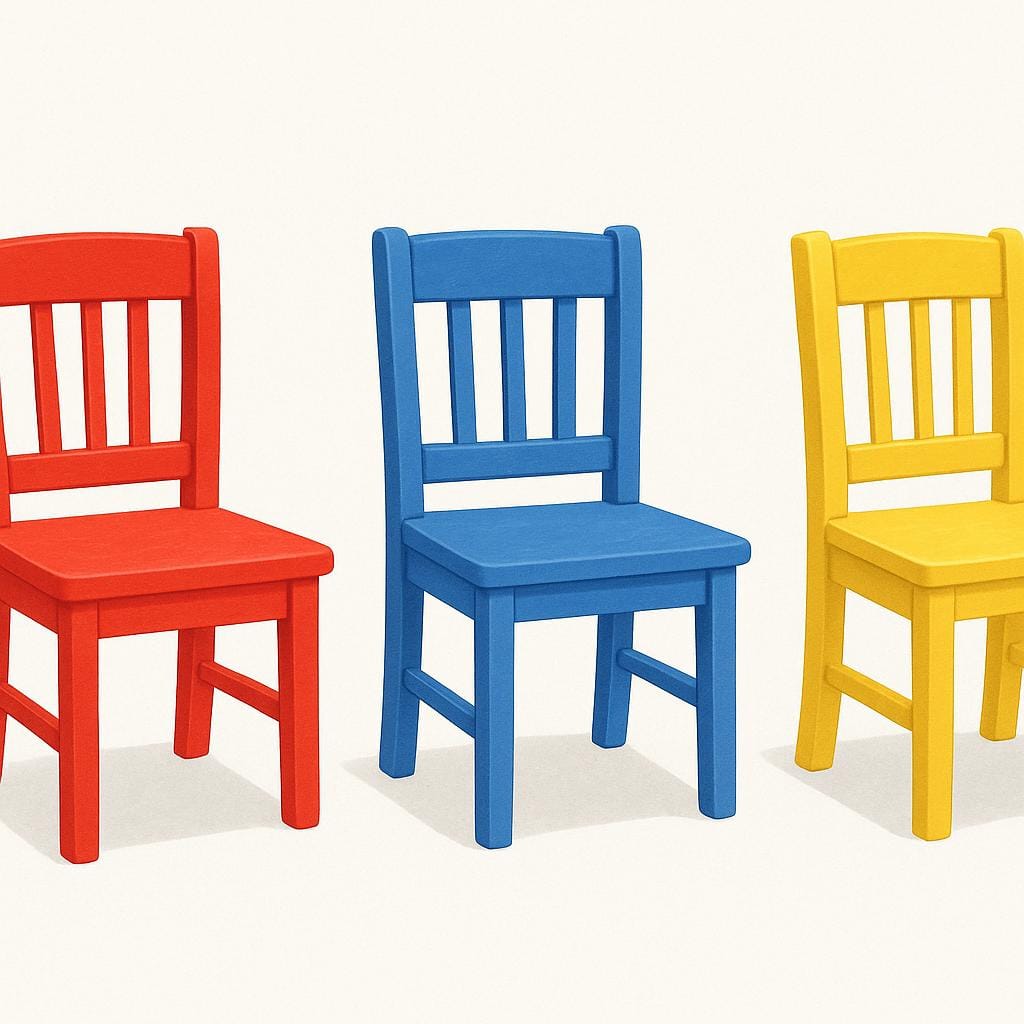
The most common mistake is using 'asientos' for individual chairs. Remember that 'asientos' refers to the *places* or *spots* for sitting, often fixed or designated, while 'sillas' are the physical chairs themselves.
Related Translations
Learn Spanish with Inklingo
Interactive stories, personalized learning, and more.