How to Say "shower" in Spanish
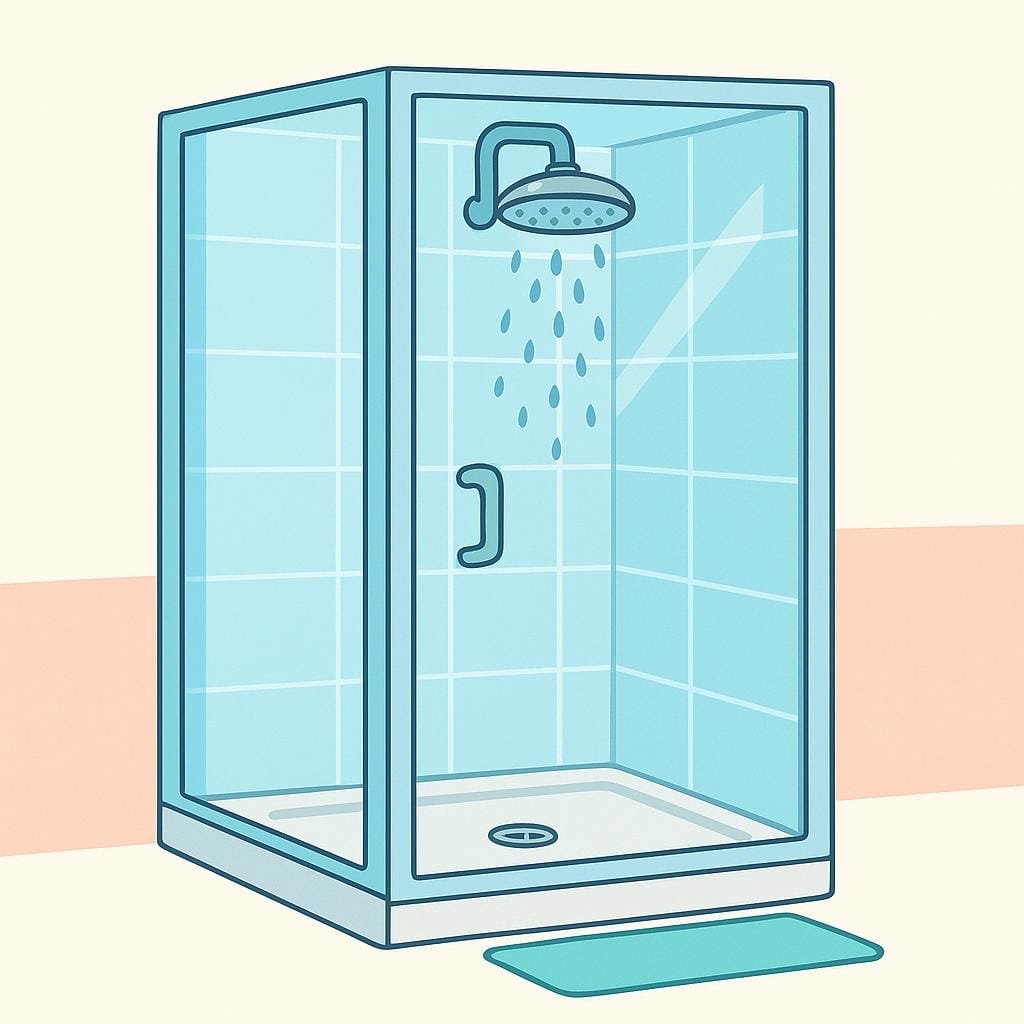
The most common Spanish word for “shower” is “ducha” — use 'ducha' when referring to the actual bathing fixture or stall, or the act of washing oneself.
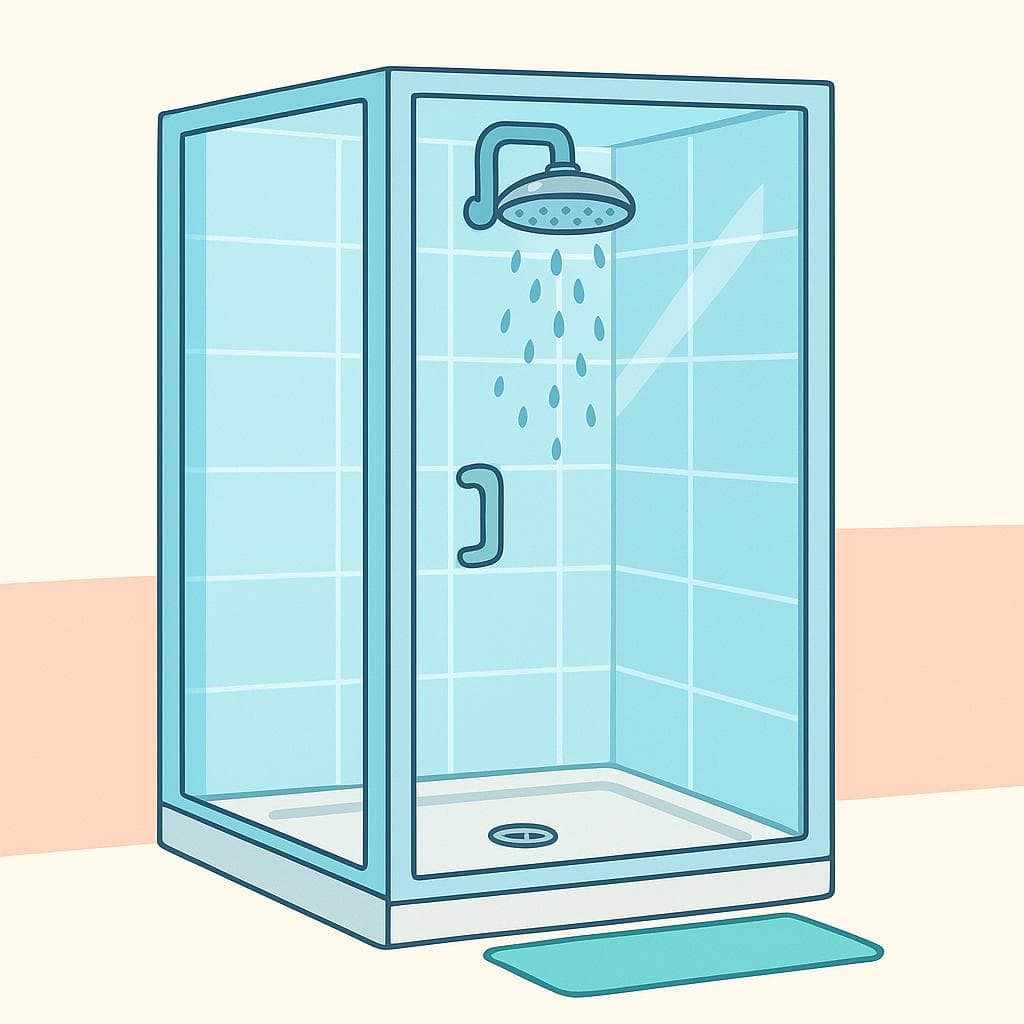

ducha
DOO-chahˈdu.tʃa
Examples
Me voy a dar una ducha antes de salir.
I'm going to take a shower before going out.
La ducha de mi casa tiene muy poca presión.
The shower in my house has very low pressure.
Necesitamos arreglar la puerta de la ducha; no cierra bien.
We need to fix the shower door; it doesn't close well.
Después del gimnasio, siempre necesito una ducha fría.
After the gym, I always need a cold shower.
Gender Check
Remember that 'ducha' is feminine, so you always use 'la' or 'una' with it (e.g., 'la ducha').
Taking a Shower
To express the action 'to take a shower,' Spanish speakers usually use the verb 'darse' or 'tomar' followed by 'una ducha.' This is often interchangeable with the single verb 'ducharse' (to shower oneself).
The Wrong Verb
Mistake: “Hago una ducha.”
Correction: Tomo una ducha. (In Spanish, you 'take' or 'give yourself' a shower, you don't 'make' one.)
ducha
DOO-chahˈdu.tʃa
Examples
La ducha de mi casa tiene muy poca presión.
The shower in my house has very low pressure.
Necesitamos arreglar la puerta de la ducha; no cierra bien.
We need to fix the shower door; it doesn't close well.
Me voy a dar una ducha antes de salir.
I'm going to take a shower before going out.
Después del gimnasio, siempre necesito una ducha fría.
After the gym, I always need a cold shower.
Gender Check
Remember that 'ducha' is feminine, so you always use 'la' or 'una' with it (e.g., 'la ducha').
Taking a Shower
To express the action 'to take a shower,' Spanish speakers usually use the verb 'darse' or 'tomar' followed by 'una ducha.' This is often interchangeable with the single verb 'ducharse' (to shower oneself).
The Wrong Verb
Mistake: “Hago una ducha.”
Correction: Tomo una ducha. (In Spanish, you 'take' or 'give yourself' a shower, you don't 'make' one.)
lluvia
YOO-vee-ahˈʎu.βja

Examples
La actriz recibió una lluvia de flores y aplausos al final de la obra.
The actress received a shower of flowers and applause at the end of the play.
El político enfrentó una lluvia de críticas por su nueva propuesta.
The politician faced a torrent of criticism for his new proposal.
Figurative Use
When 'lluvia' is used figuratively, it means a huge, overwhelming amount of something, usually negative (criticism) or positive (gifts, applause).
Literal vs. Figurative Use
Related Translations
Learn Spanish with Inklingo
Interactive stories, personalized learning, and more.