How to Say "rain" in Spanish
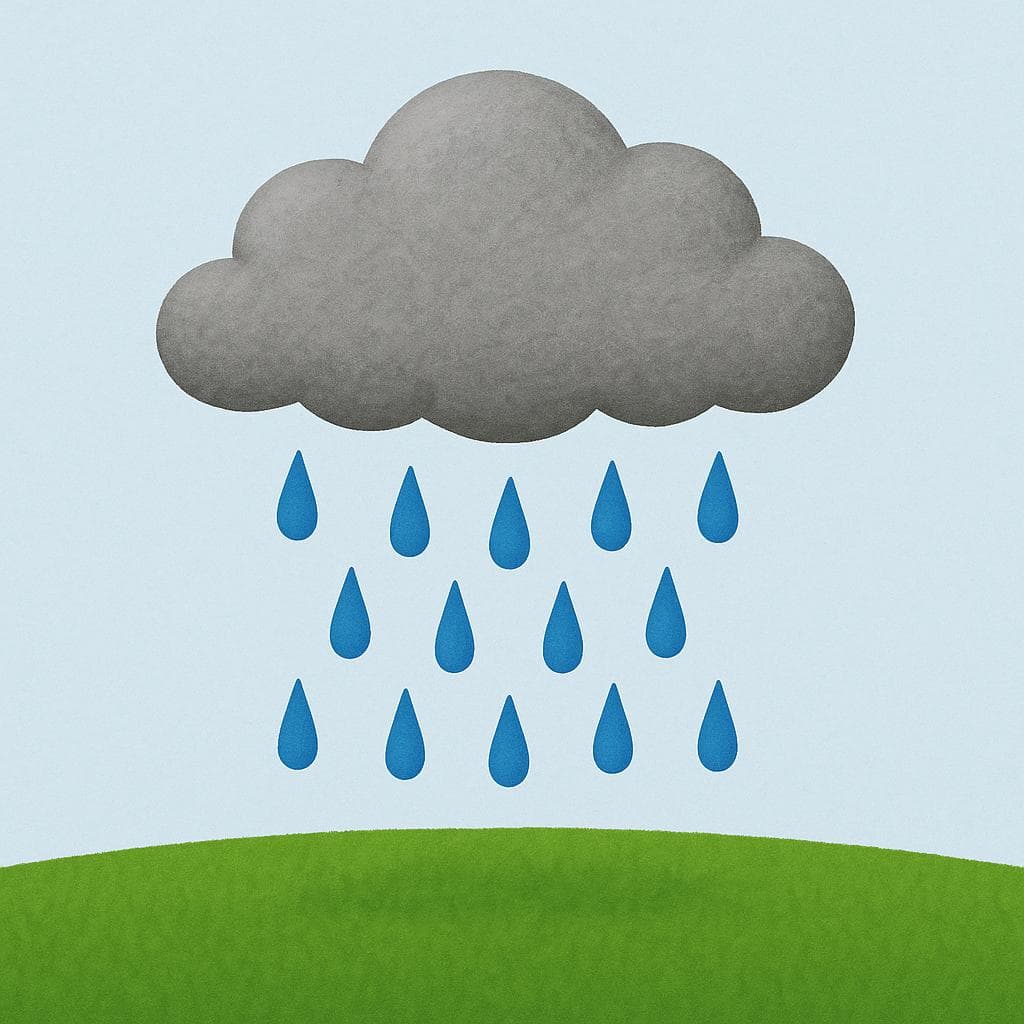
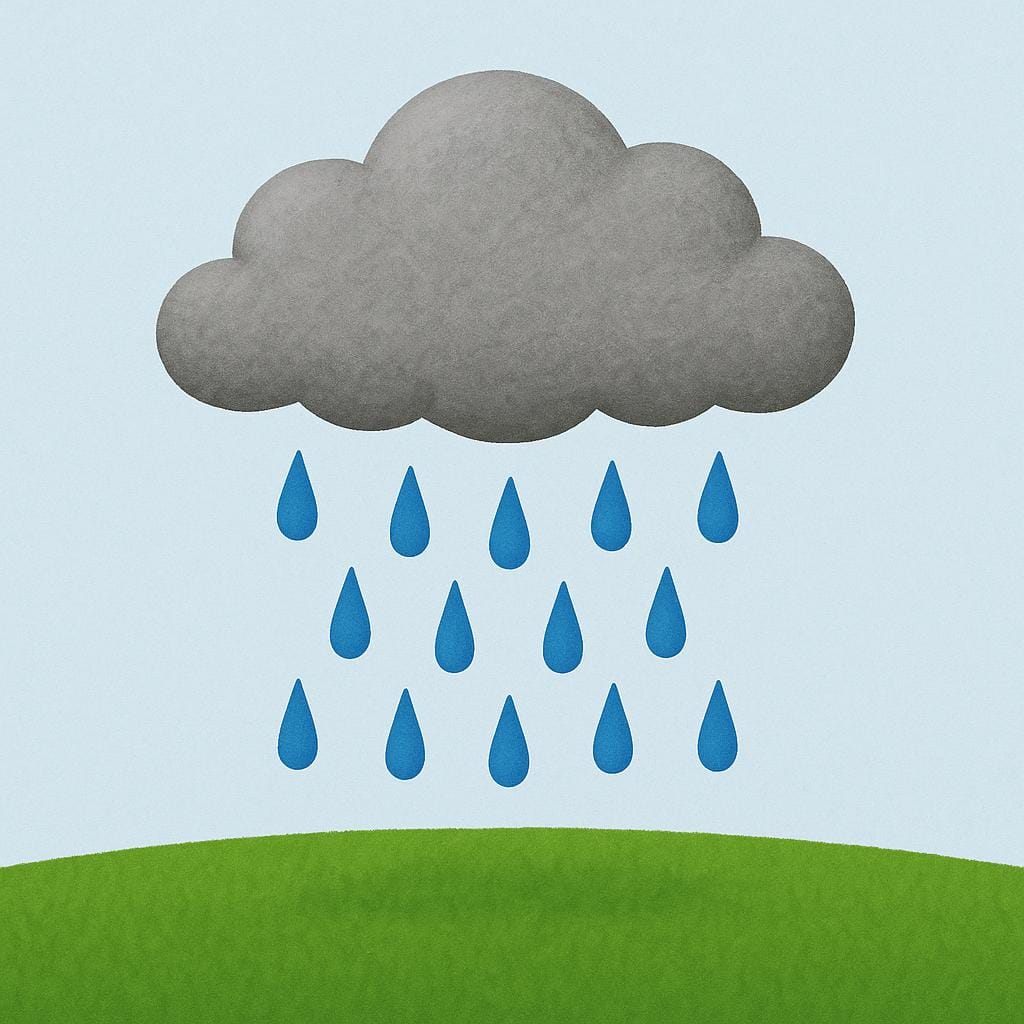
The most common Spanish word for “rain” is “lluvia” — use 'lluvia' when referring to the weather phenomenon of precipitation falling from the sky.

YOO-vee-ahˈʎu.βja
Examples
Necesitamos un paraguas porque la lluvia es muy fuerte hoy.
We need an umbrella because the rain is very heavy today.
Después de la sequía, la lluvia trajo alivio al campo.
After the drought, the rain brought relief to the countryside.
Gender Rule
Remember that 'lluvia' is a feminine word (it always uses 'la' or 'una').
Using the wrong article
Mistake: “El lluvia es fría.”
Correction: La lluvia es fría. (Always use the feminine article 'la'.)
AH-gwahˈa.ɣwa

Examples
Necesito un vaso de agua, por favor.
I need a glass of water, please.
El agua del mar está muy fría.
The sea water is very cold.
Las aguas del río Amazonas son caudalosas.
The waters of the Amazon River are mighty.
The Tricky 'el agua'
Even though 'agua' is a feminine word (we say 'agua fría,' not 'frío'), we say 'el agua' in the singular. This is just a sound rule to avoid the two 'a' sounds of 'la agua' bumping into each other. When it's plural, it goes back to the normal feminine form: 'las aguas'.
Using 'la' instead of 'el'
Mistake: “Quiero la agua, por favor.”
Correction: Quiero el agua, por favor. Remember, for singular feminine words that start with a stressed 'a' sound (like Á-gua or Á-guila), we use 'el' to make it flow better. But any words describing it stay feminine: 'el agua fría'.
Confusing 'agua' and 'lluvia'
The most common mistake is using 'agua' to refer to the weather. Remember, 'agua' is for drinking water, while 'lluvia' is for the rain falling from the sky. Don't ask for 'agua' when you mean it's raining!
Related Translations
Learn Spanish with Inklingo
Interactive stories, personalized learning, and more.