How to Say "softness" in Spanish
The most common Spanish word for “softness” is “suavidad” — use 'suavidad' when referring to the physical texture or tactile quality of a surface, like fabric, skin, or hair.

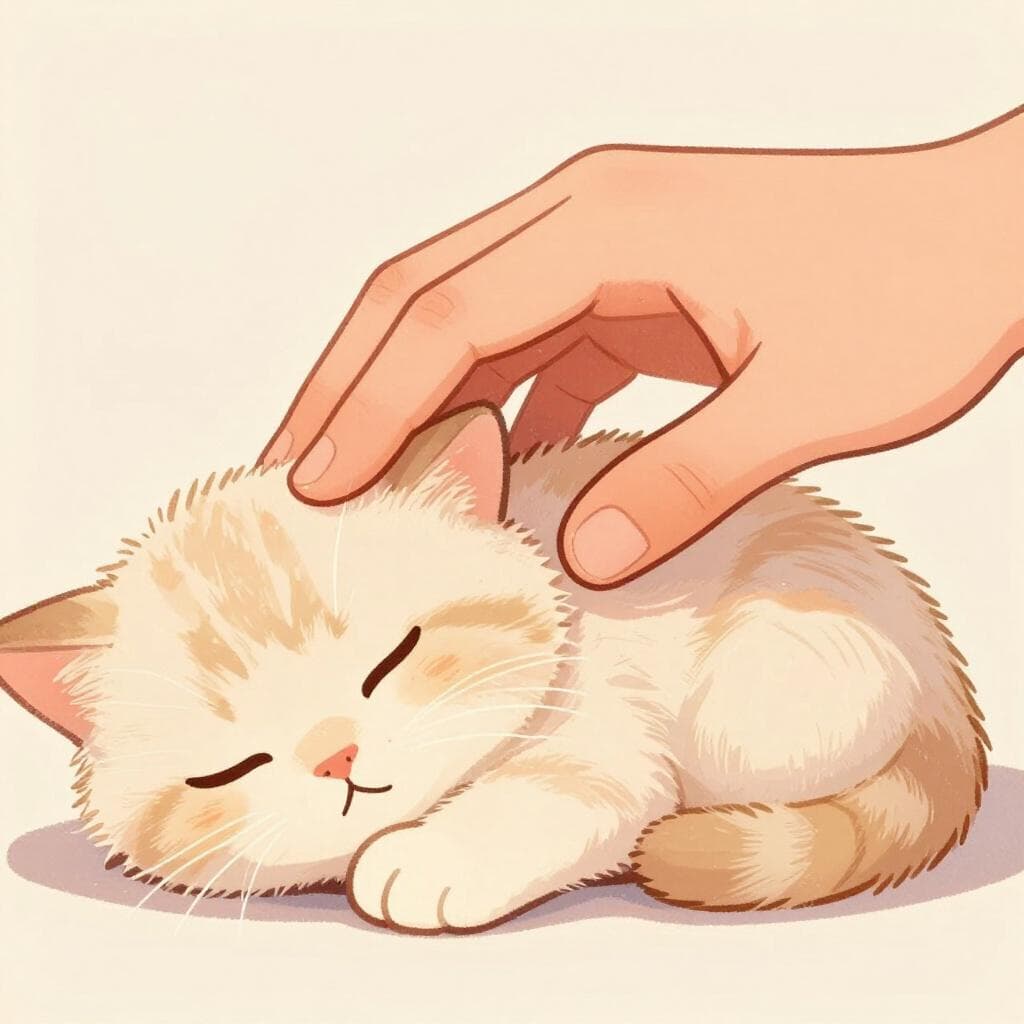
suavidad
swah-bee-DAHDswaβiˈðað

Examples
La suavidad de la seda es increíble.
The softness of the silk is incredible.
Esta crema hidratante aporta suavidad a tu piel.
This moisturizing cream brings softness to your skin.
Me gusta la suavidad de estas toallas nuevas.
I like the softness of these new towels.
Always Feminine
Words ending in '-dad' are almost always feminine in Spanish, so you should always use 'la' or 'una' with it.
The 'v' sound
Mistake: “Pronouncing the 'v' like an English 'v'.”
Correction: In Spanish, the 'v' and 'b' sound exactly the same—a soft 'b' sound. Try saying 'swah-bee-dahd'.
ternura
ter-NOO-rahteɾˈnuɾa
Examples
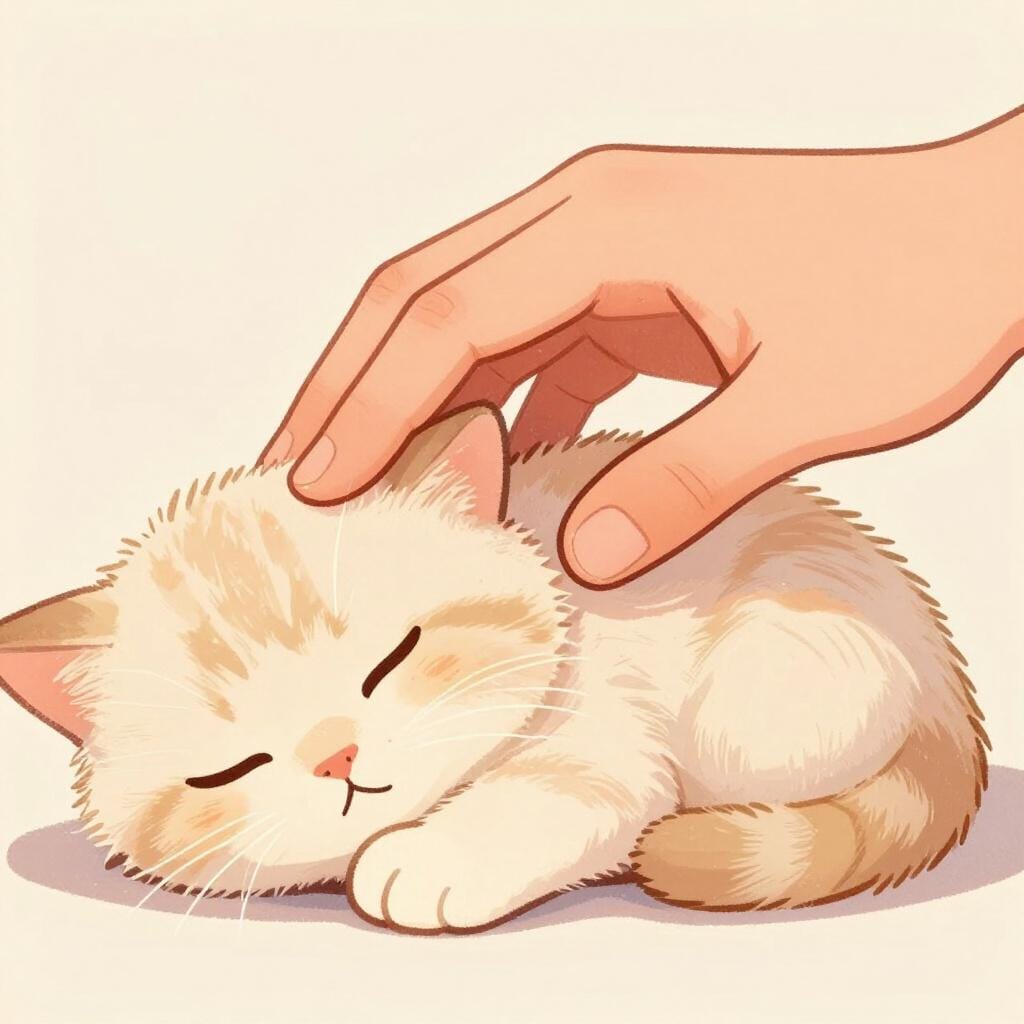
Siento mucha ternura cuando veo a mi perro dormir.
I feel a lot of tenderness when I see my dog sleeping.
Ella me miró con una ternura infinita.
She looked at me with infinite tenderness.
La ternura del filete era increíble.
The tenderness of the steak was incredible.
Using 'Dar' vs 'Sentir'
To say something is 'cute' or makes you feel tender, use the verb 'dar' (to give). For example: 'Ese gato me da ternura' (That cat gives me tenderness/makes me feel tender).
Abstract Nouns
Like many Spanish words ending in '-ura', this is an abstract noun. It describes a quality rather than a physical object you can hold.
Ternura vs. Tierno
Mistake: “Esa película es mucha ternura.”
Correction: Esa película tiene mucha ternura OR Esa película es muy tierna.
Physical vs. Emotional Softness
Related Translations
Learn Spanish with Inklingo
Interactive stories, personalized learning, and more.