How to Say "sword" in Spanish
The most common Spanish word for “sword” is “espada” — use 'espada' for the general, all-purpose term for a sword, especially in modern contexts or when the specific type isn't important.
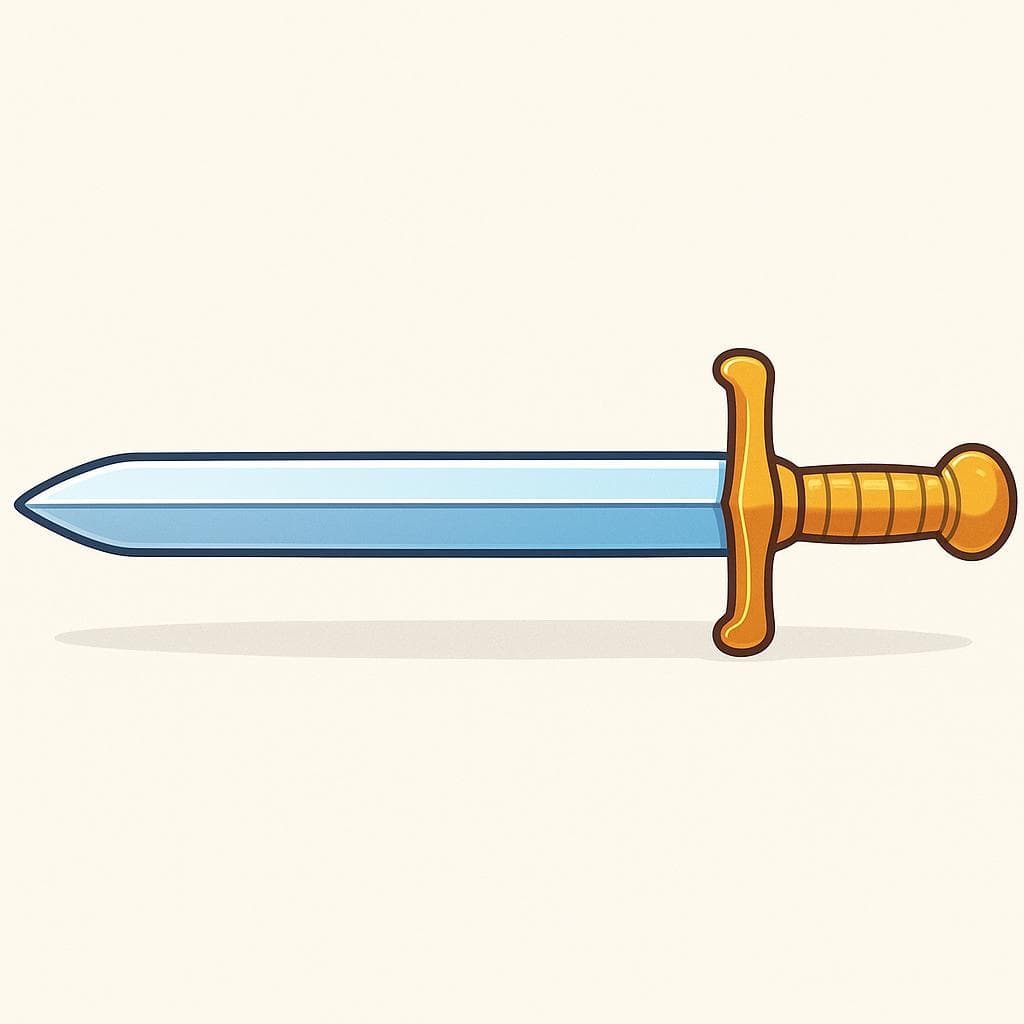
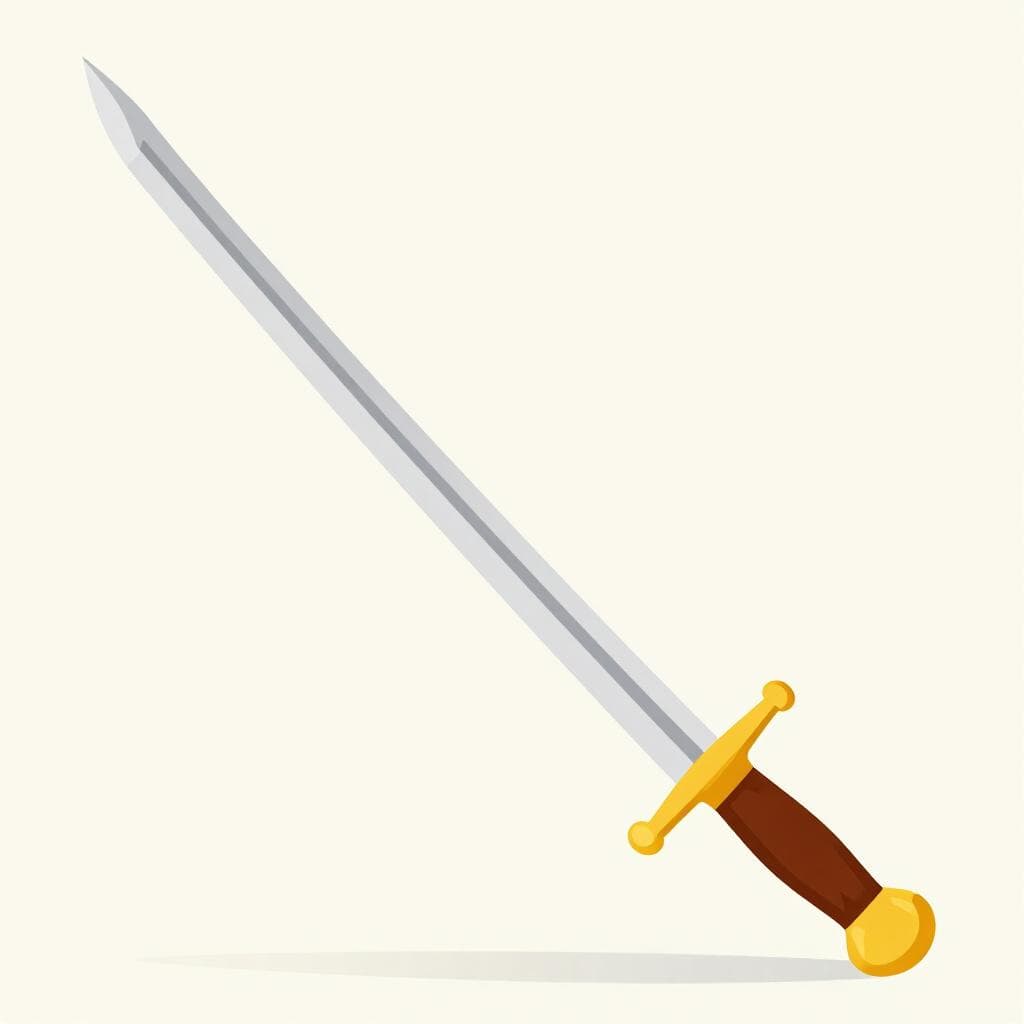
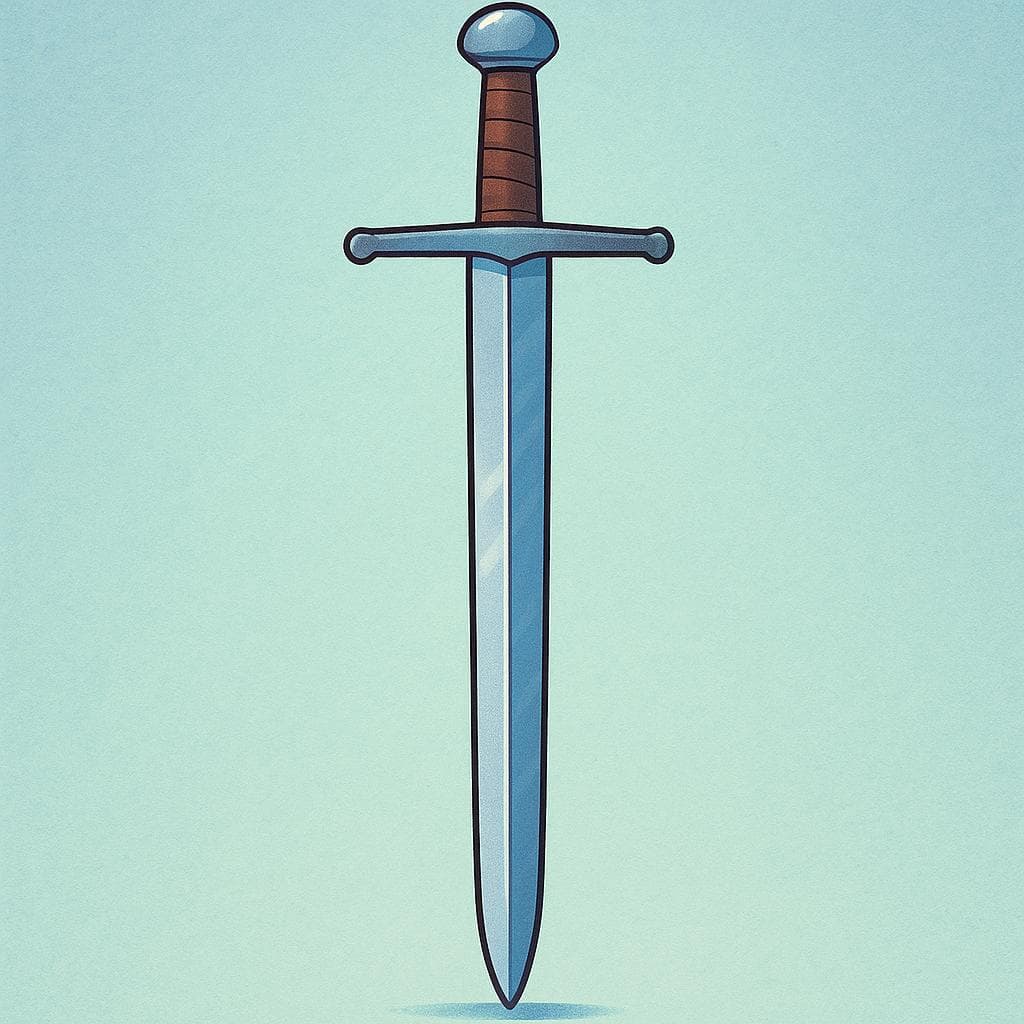
espada
es-PAH-dahesˈpaða
Examples
El caballero desenvainó su espada para la batalla.
The knight drew his sword for the battle.
La espada es un símbolo de honor y justicia en muchas culturas.
The sword is a symbol of honor and justice in many cultures.
Gender Tip
Even though 'espada' starts with a stressed 'e' sound, it is always a feminine noun and does not use the masculine article 'el' (like 'agua' or 'águila'). Always say 'la espada'.
Article Confusion
Mistake: “El espada es vieja.”
Correction: La espada es vieja. (Remember 'espada' is feminine: LA espada.)
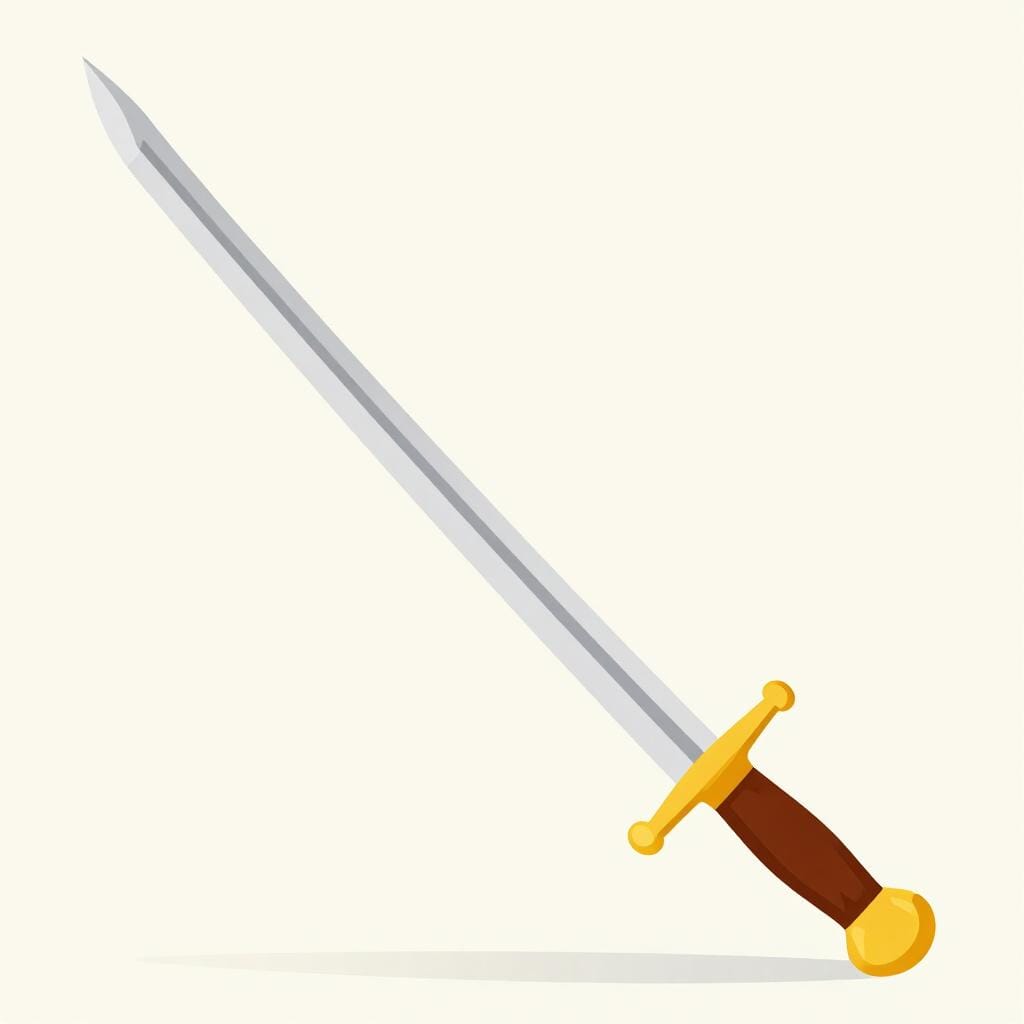
sable
SAH-blehˈsa.βle
Examples
El oficial desenvainó su sable durante el desfile militar.
The officer unsheathed his saber during the military parade.
En las clases de esgrima, aprendemos a usar el sable.
In fencing classes, we learn how to use the saber.
El museo tiene una colección de sables antiguos del siglo XIX.
The museum has a collection of ancient sabers from the 19th century.
Masculine 'e' ending
Nouns ending in '-e' can be tricky. 'Sable' is always masculine, so you must use 'el' or 'un'.
Plural formation
To talk about more than one, simply add an '-s' to get 'sables'.
False Friend Alert
Mistake: “Using 'sable' to mean 'sand'.”
Correction: In Spanish, sand is 'arena'. 'Sable' in French means sand, but in Spanish, it is a sword!
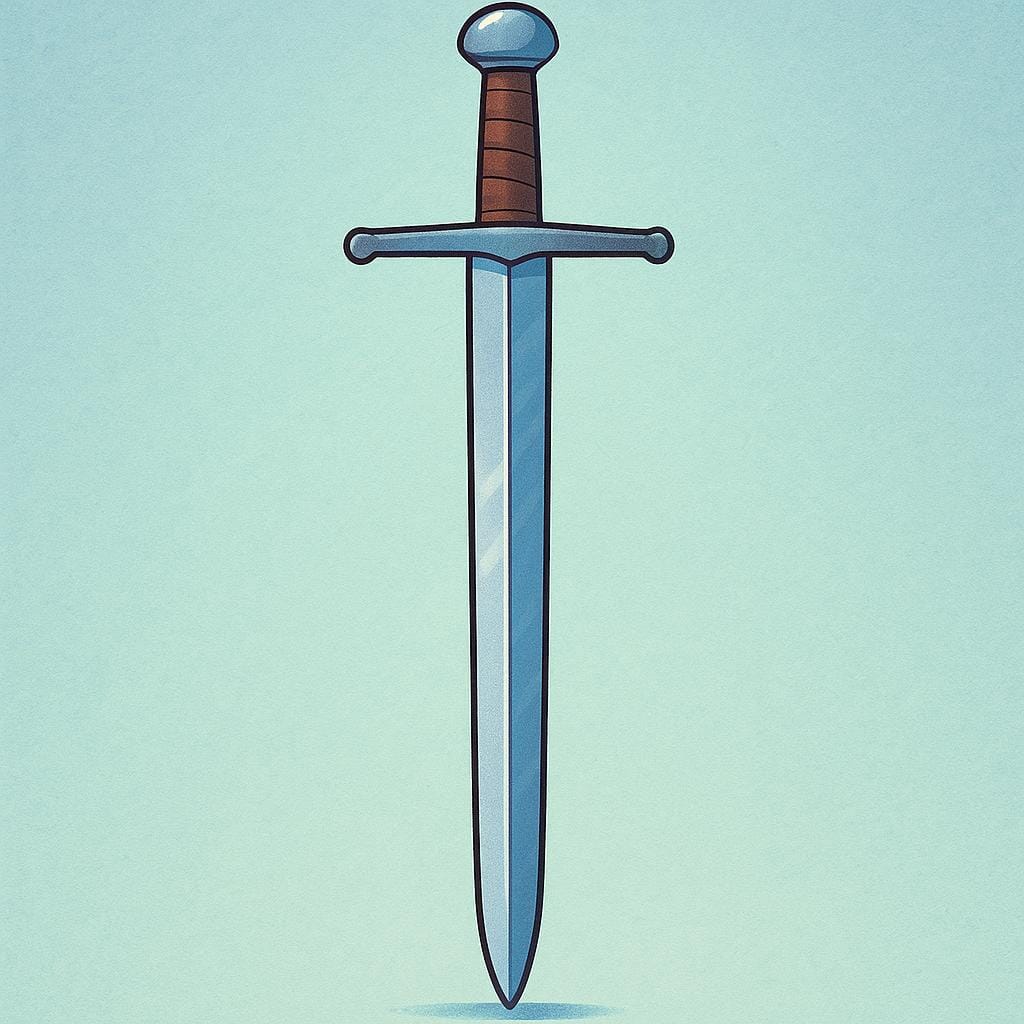
hierro
YAIR-rohˈje.ro
Examples
El caballero desenvainó su hierro y se preparó para la batalla.
The knight unsheathed his sword (his iron) and prepared for battle.
Necesitas tener nervios de hierro para ser un buen negociador.
You need to have nerves of steel (nerves of iron) to be a good negotiator.
Espada vs. Sable
Related Translations
Learn Spanish with Inklingo
Interactive stories, personalized learning, and more.