How to Say "saber" in Spanish
The most common Spanish word for “saber” is “espada” — use 'espada' when referring to a sword in a general sense, especially in historical or fantasy contexts, or when the specific type of sword is not important.
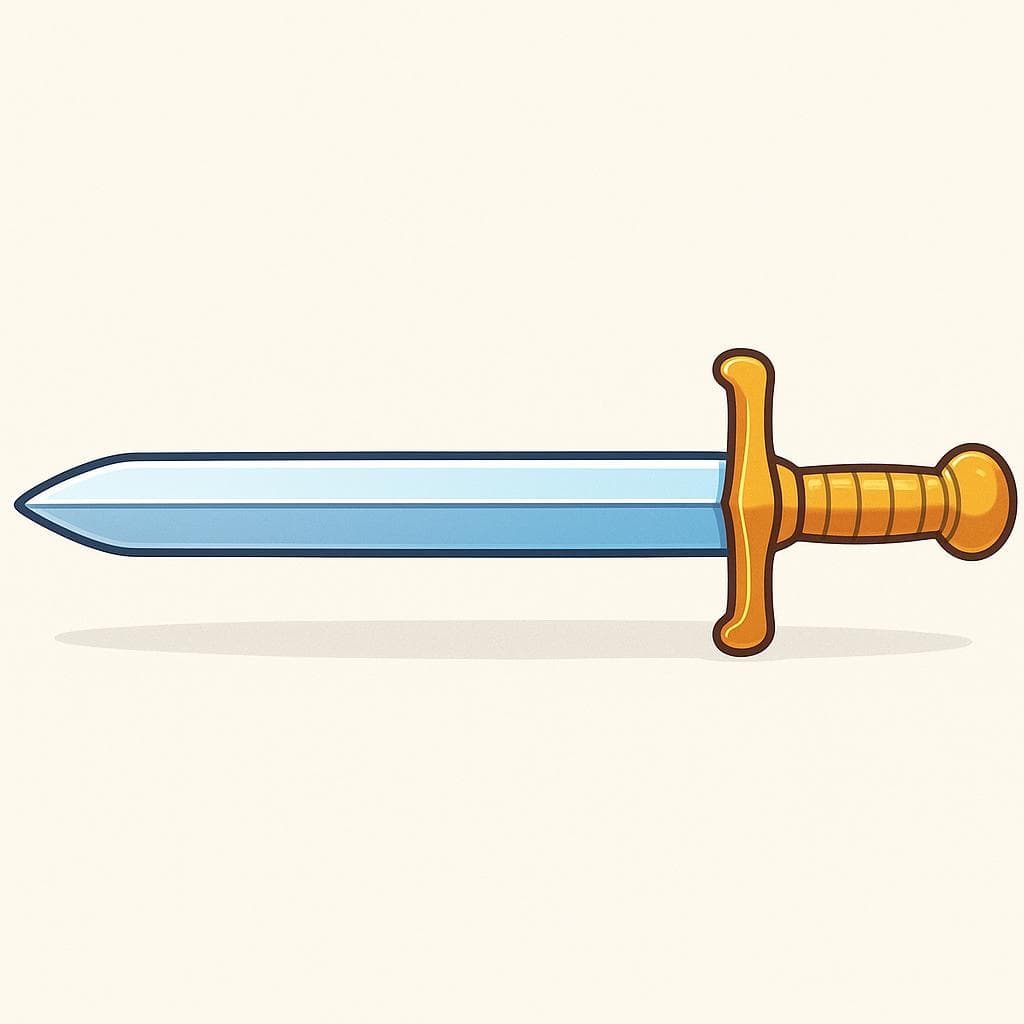
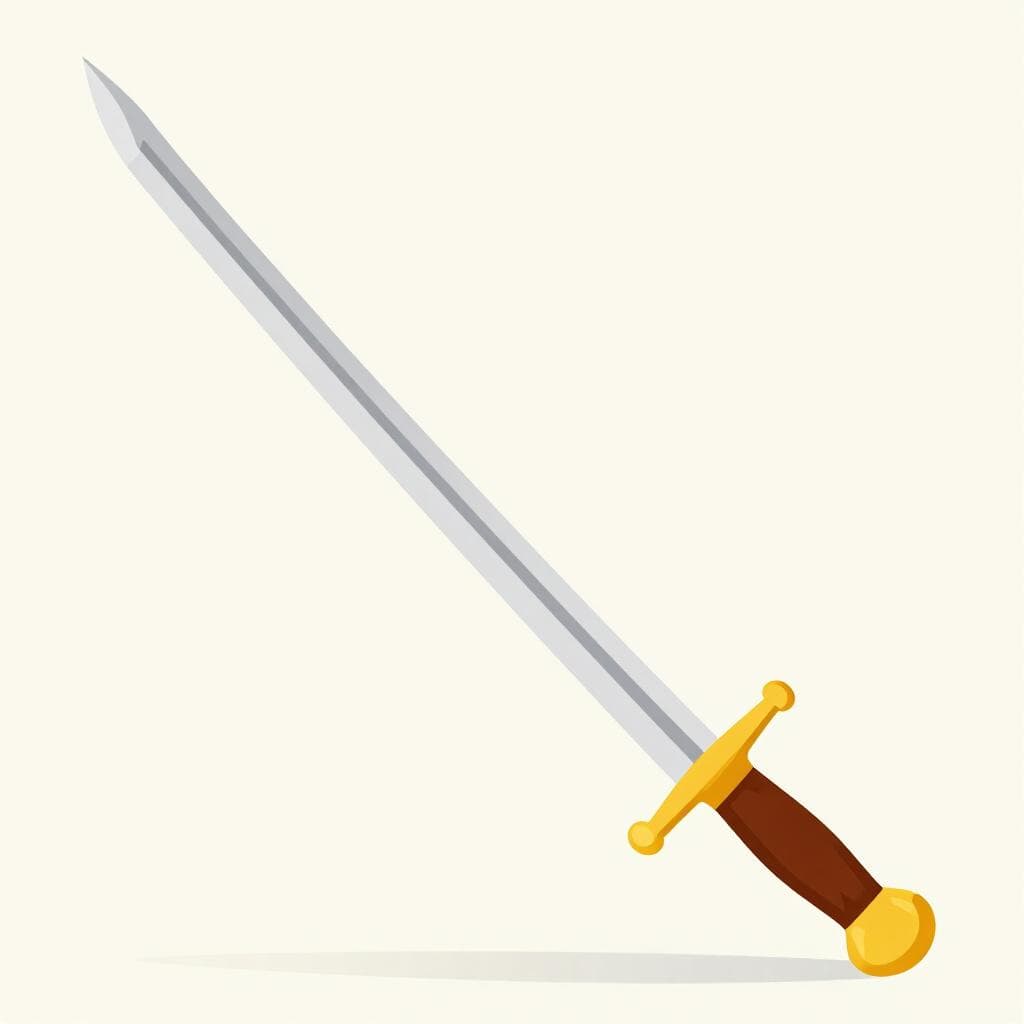
espada
es-PAH-dahesˈpaða
Examples
El caballero desenvainó su espada para la batalla.
The knight drew his sword for the battle.
La espada es un símbolo de honor y justicia en muchas culturas.
The sword is a symbol of honor and justice in many cultures.
Gender Tip
Even though 'espada' starts with a stressed 'e' sound, it is always a feminine noun and does not use the masculine article 'el' (like 'agua' or 'águila'). Always say 'la espada'.
Article Confusion
Mistake: “El espada es vieja.”
Correction: La espada es vieja. (Remember 'espada' is feminine: LA espada.)
sable
SAH-blehˈsa.βle
Examples
El oficial desenvainó su sable durante el desfile militar.
The officer unsheathed his saber during the military parade.
En las clases de esgrima, aprendemos a usar el sable.
In fencing classes, we learn how to use the saber.
El museo tiene una colección de sables antiguos del siglo XIX.
The museum has a collection of ancient sabers from the 19th century.
Masculine 'e' ending
Nouns ending in '-e' can be tricky. 'Sable' is always masculine, so you must use 'el' or 'un'.
Plural formation
To talk about more than one, simply add an '-s' to get 'sables'.
False Friend Alert
Mistake: “Using 'sable' to mean 'sand'.”
Correction: In Spanish, sand is 'arena'. 'Sable' in French means sand, but in Spanish, it is a sword!
Espada vs. Sable
Related Translations
Learn Spanish with Inklingo
Interactive stories, personalized learning, and more.