How to Say "teddy bear" in Spanish
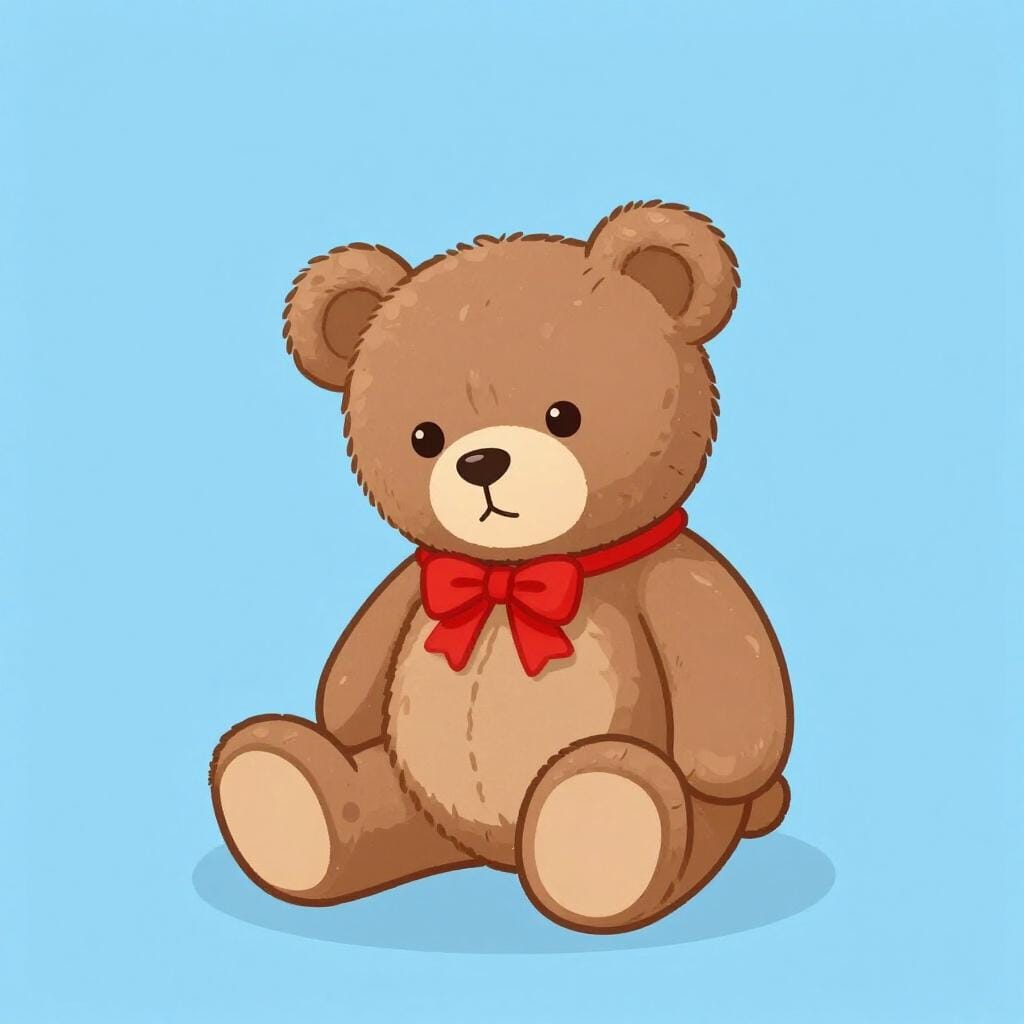
The most common Spanish word for “teddy bear” is “osito” — use 'osito' when specifically referring to a stuffed toy animal, often implying affection or a smaller size.
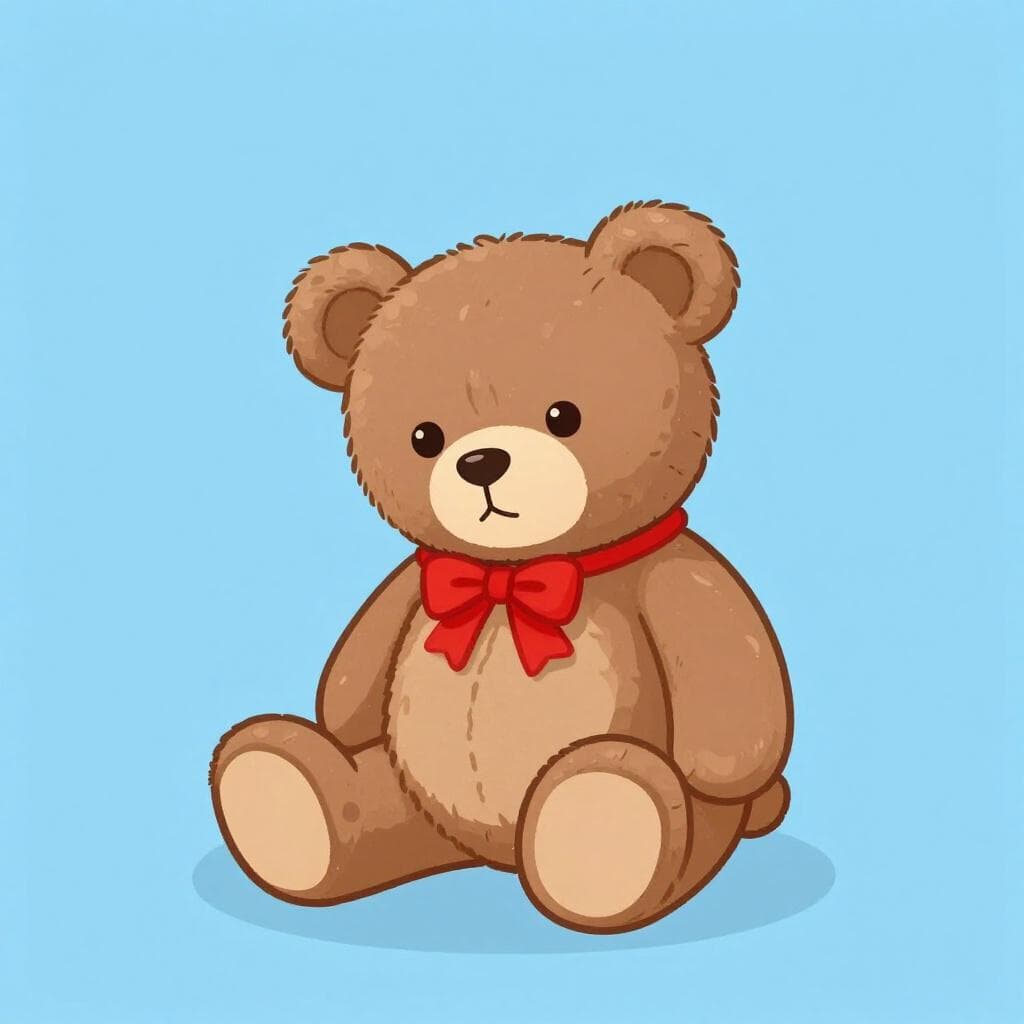
osito
oh-SEE-tohoˈsito
Examples
Mi hija no puede dormir sin su osito de peluche.
My daughter can't sleep without her teddy bear.
El niño duerme con su osito de peluche.
The boy sleeps with his teddy bear.
Vimos un osito siguiendo a su mamá en el bosque.
We saw a little bear following its mother in the forest.
¡Buenas noches, mi osito!
Goodnight, my sweetie!
The Power of '-ito'
In Spanish, adding '-ito' to the end of a word doesn't just mean something is small; it also makes the word sound much more affectionate and cute.
Fixed Gender
Even if a teddy bear is pink or belongs to a girl, we still use the masculine form 'el osito' because the base word 'oso' is masculine.
Overusing 'Pequeño'
Mistake: “un pequeño oso”
Correction: un osito
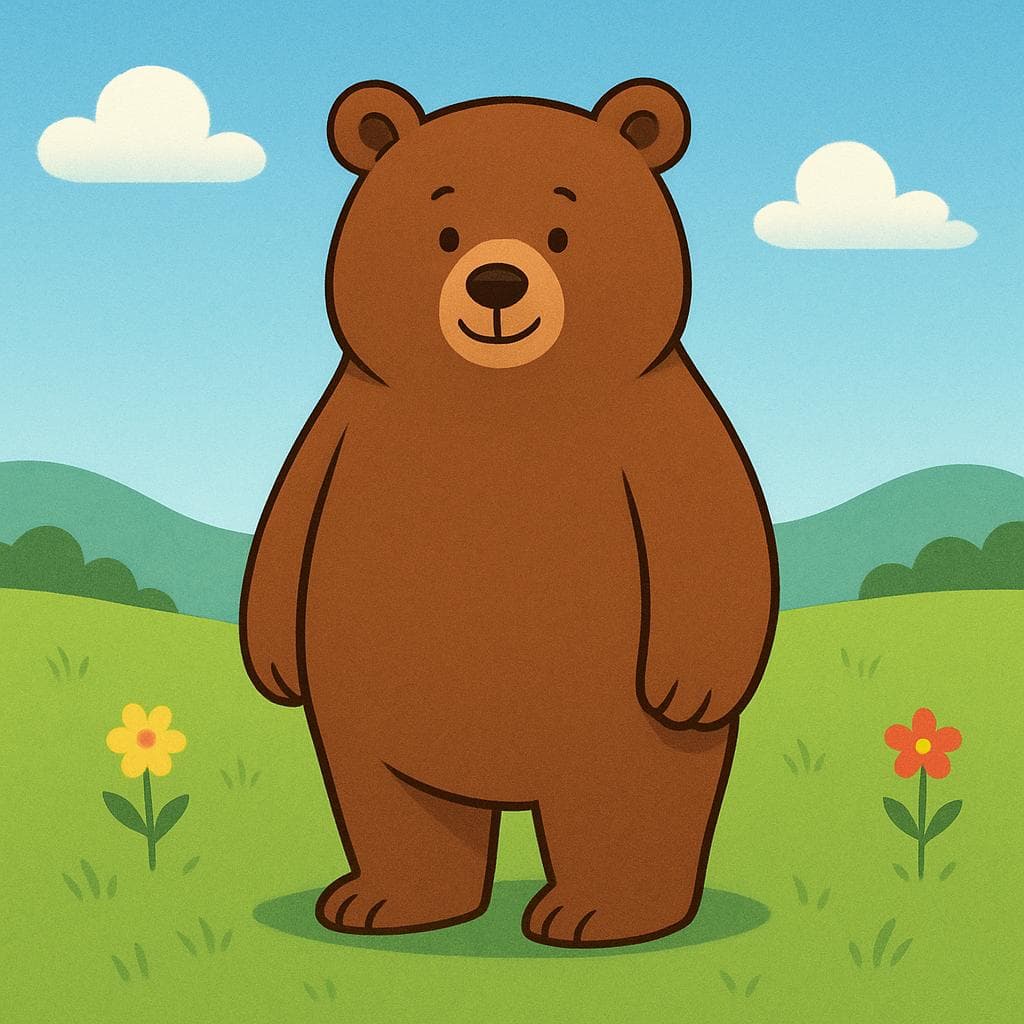
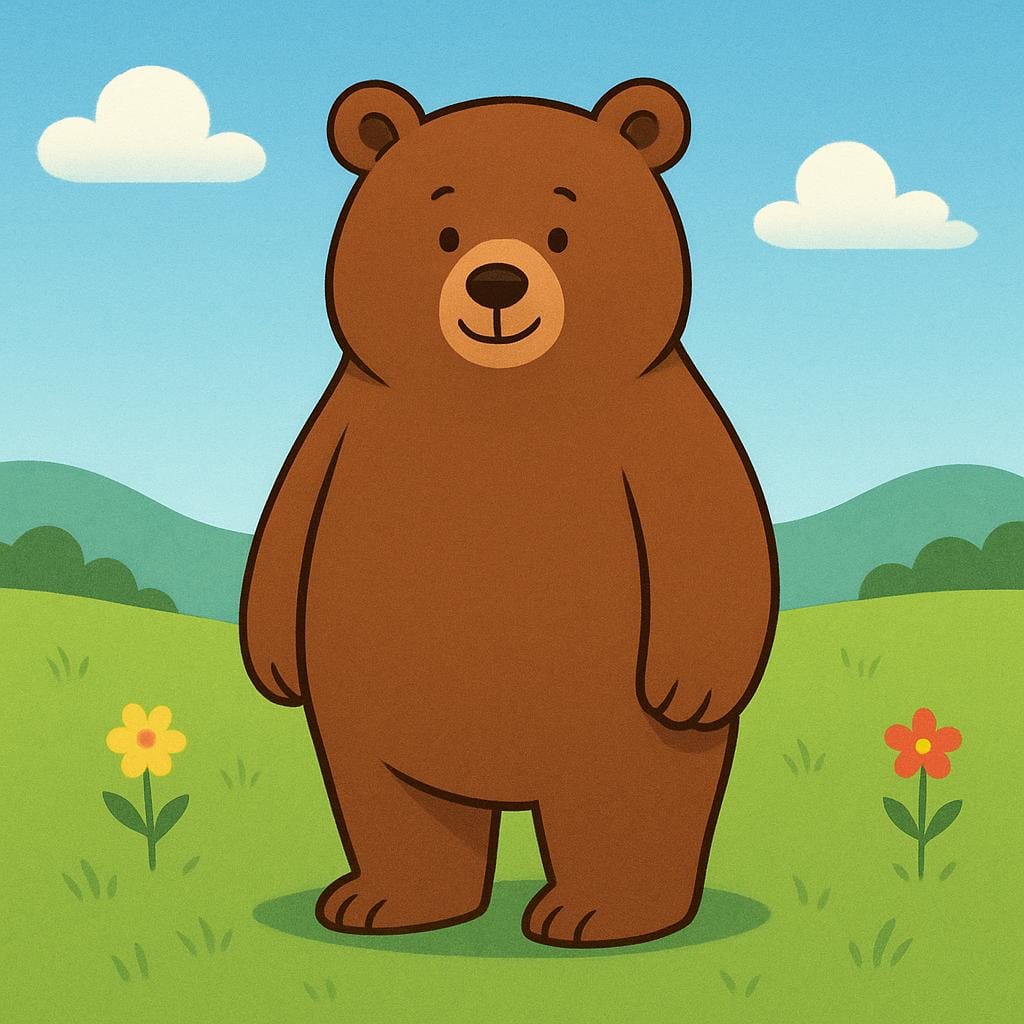
oso
OH-sohˈo.so
Examples
El niño abrazó fuerte a su oso.
The child hugged his bear tightly.
Vimos un oso negro comiendo bayas en el bosque.
We saw a black bear eating berries in the forest.
El oso polar vive en el Ártico y es enorme.
The polar bear lives in the Arctic and is enormous.
Gender and Plural
Since 'oso' is a masculine noun, its feminine form is 'osa' (female bear). To make it plural, just add '-s': 'osos'.
Confusing Gender
Mistake: “La oso (Incorrect use of feminine article)”
Correction: El oso (Always use the masculine article 'el' for the animal in general, even if you don't know its sex.)
Osito vs. Oso for Teddy Bears
Related Translations
Learn Spanish with Inklingo
Interactive stories, personalized learning, and more.