How to Say "blunder" in Spanish
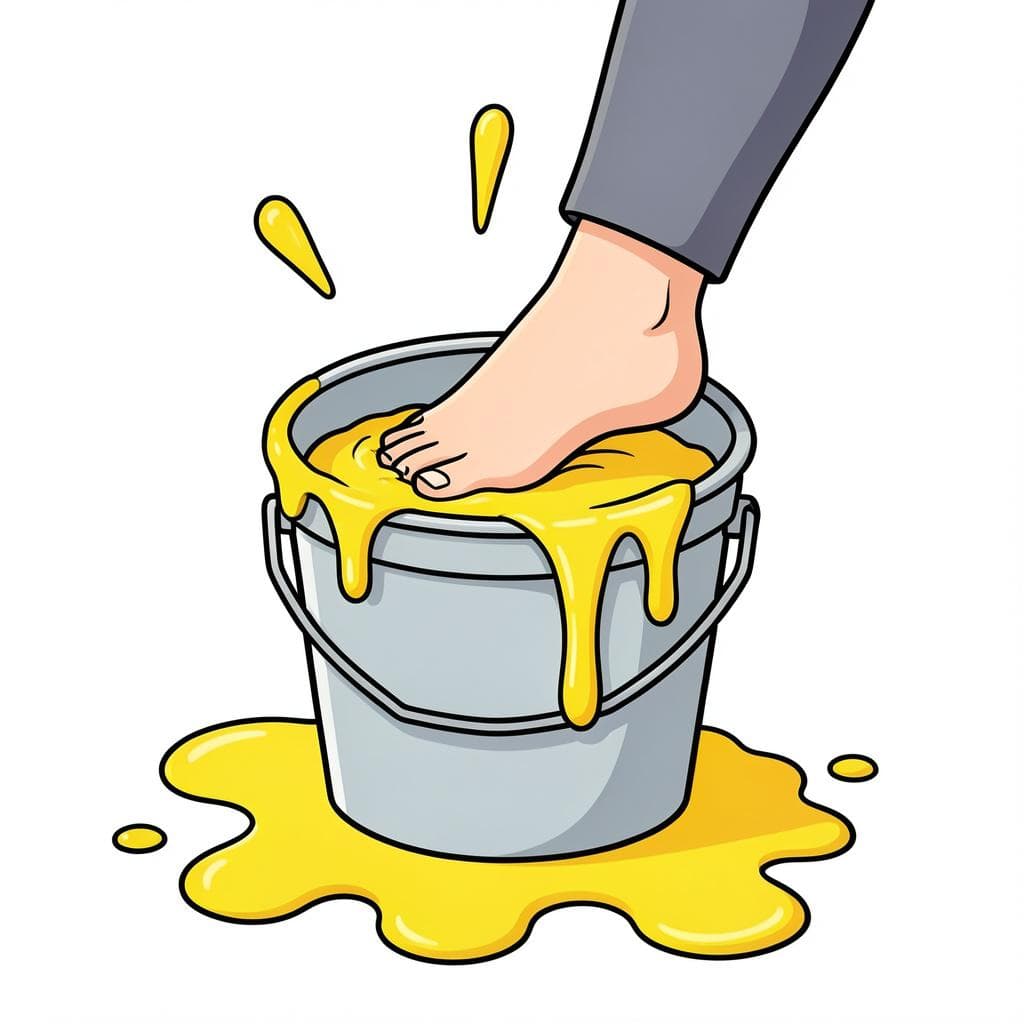
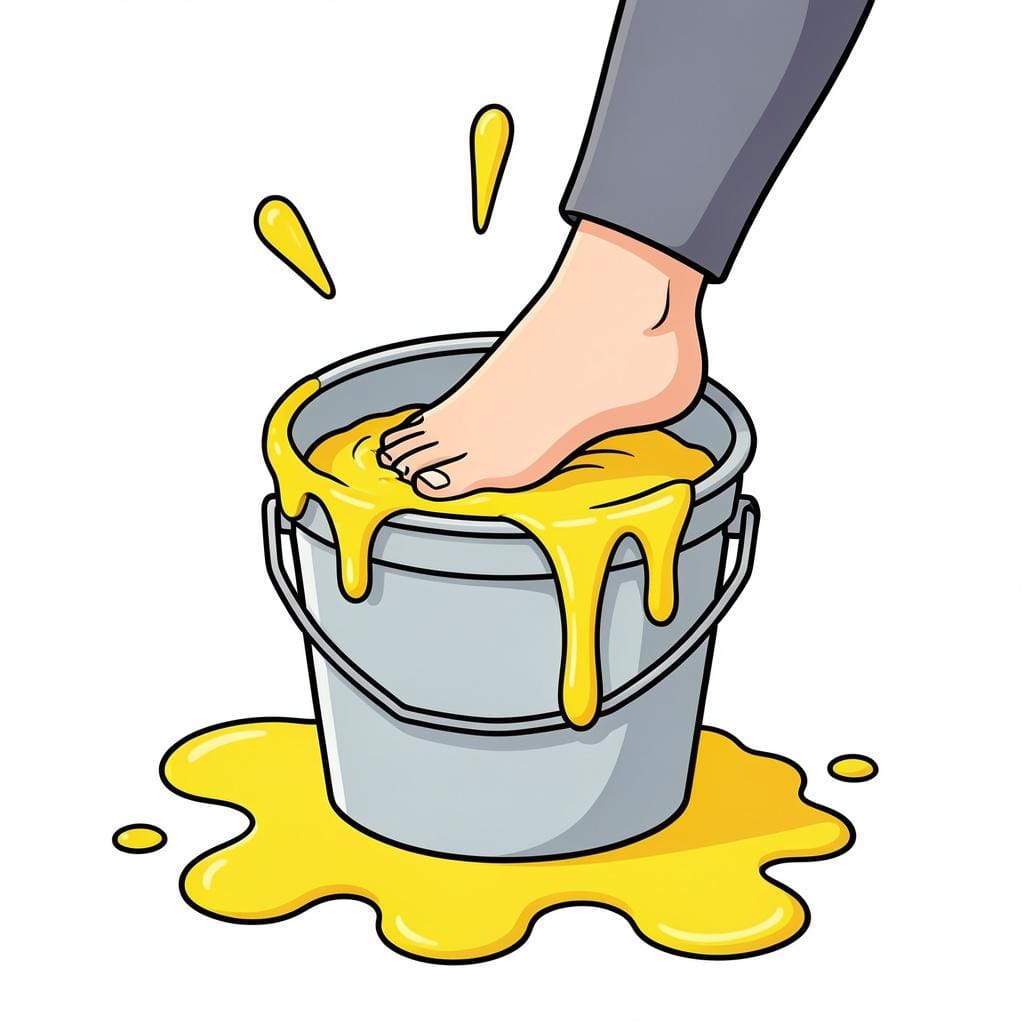
The most common Spanish word for “blunder” is “metida de pata” — use 'metida de pata' when referring to an embarrassing or tactless remark or action that causes social awkwardness.

metida de pata
meh-TEE-dahmeˈtiða
Examples
¡Qué metida de pata! No debí decir eso.
What a blunder! I shouldn't have said that.
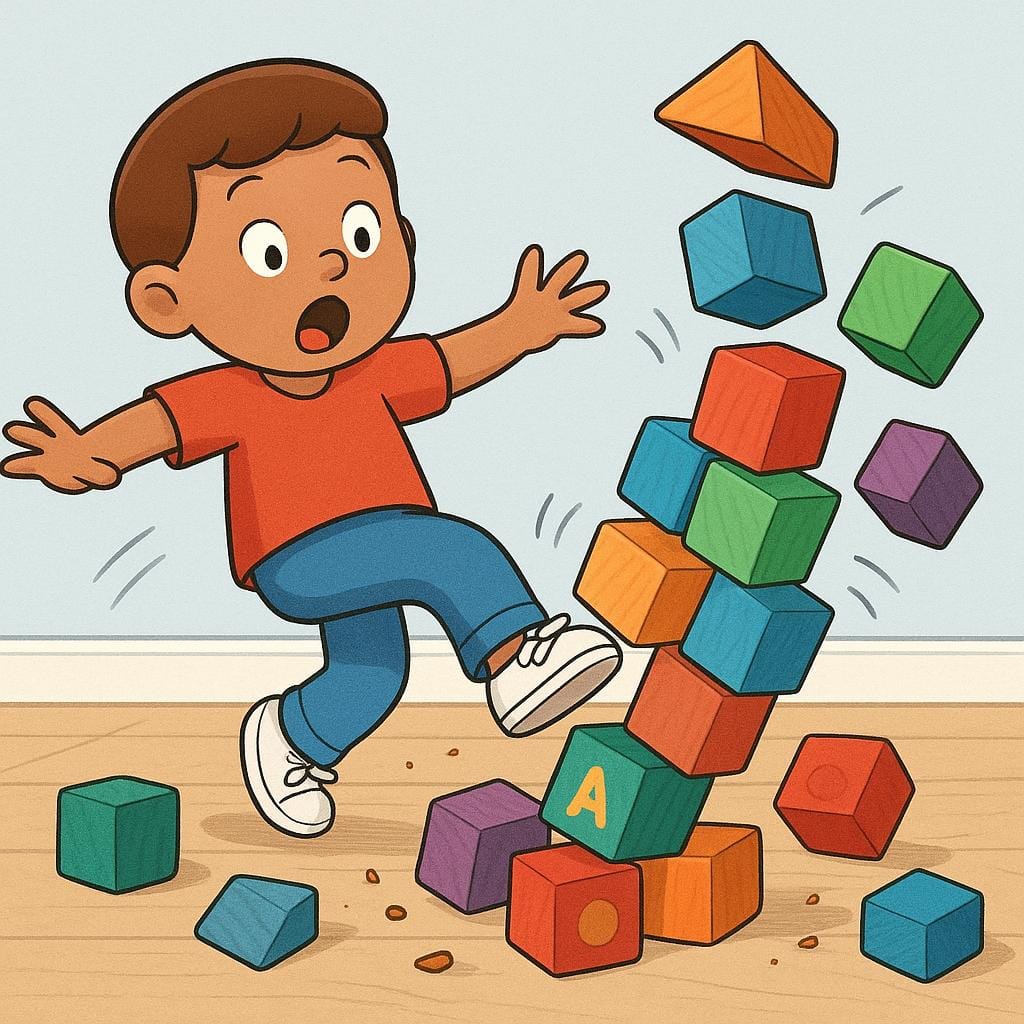
oso
OH-sohˈo.so
Examples
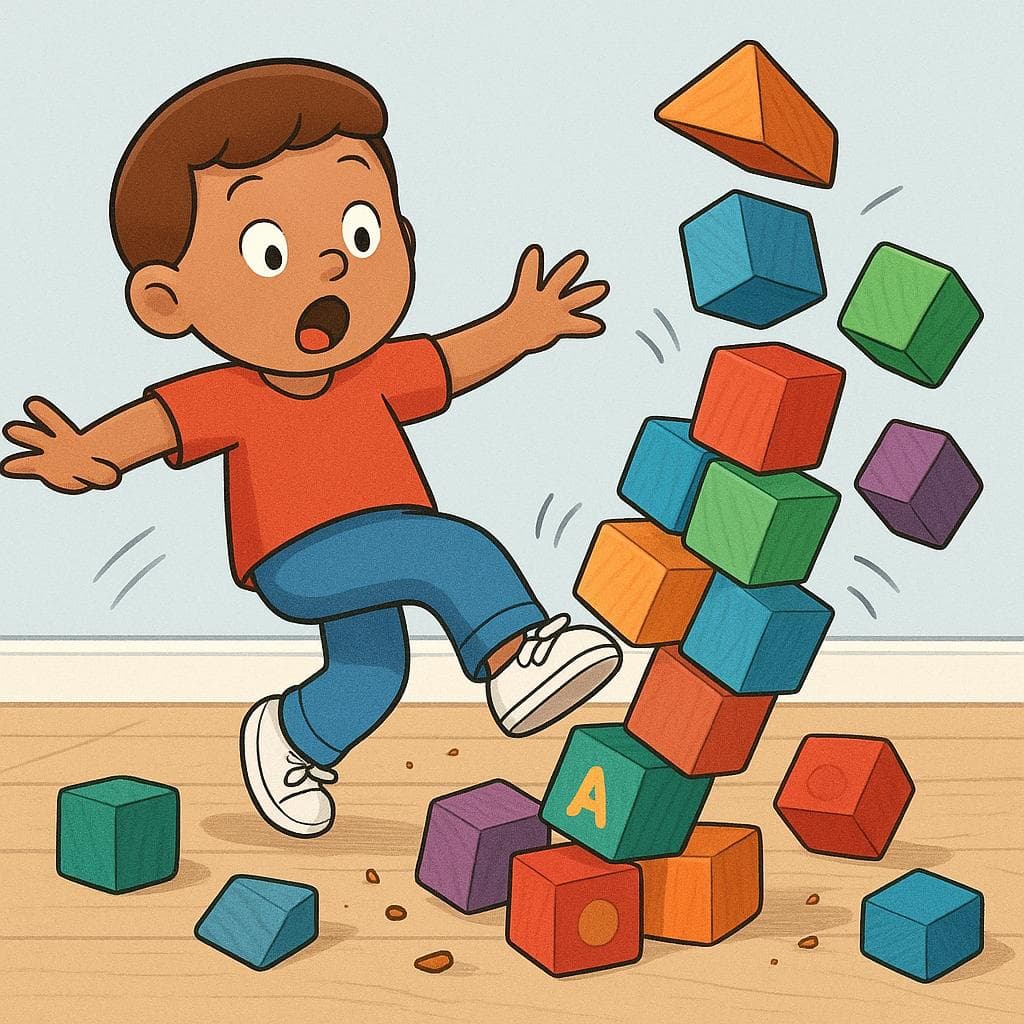
Hice el oso cuando saludé a la persona equivocada en la reunión.
I made a fool of myself (or: I had an embarrassing moment) when I greeted the wrong person at the meeting.
¡Qué oso! Se le cayó la bandeja entera.
How embarrassing! He dropped the entire tray.
Using 'Qué oso'
When used as an exclamation ('¡Qué oso!'), it means 'How embarrassing!' or 'What a blunder!' and is used to describe an awkward situation.
Direct Translation
Mistake: “No quiero hacer el oso (I don't want to do the bear).”
Correction: The phrase 'hacer el oso' must be learned as a unit meaning 'to make a fool of oneself.' Don't translate the words literally.
disparate
dis-pah-RAH-tehdis.paˈɾa.te

Examples
¡Lo que estás diciendo es un disparate!
What you are saying is nonsense!
Comprar esa casa vieja por ese precio es un disparate.
Buying that old house for that price is a crazy idea.
No digas más disparates y dime la verdad.
Stop talking nonsense and tell me the truth.
Always Masculine
Even though it ends in 'e', this word is always masculine. You must use 'el' or 'un' before it (el disparate).
Working with Action Words
This word is most often paired with 'decir' (to say) or 'hacer' (to do). You 'say a disparate' when you talk nonsense, and you 'do a disparate' when you make a crazy mistake.
The 'Different' Trap
Mistake: “Using 'disparate' to mean 'different' or 'diverse' because it looks like the English word.”
Correction: In Spanish, 'disparate' means nonsense. If you want to say 'different,' use 'diferente' or 'distinto'.
Missing the Article
Mistake: “Saying 'Es disparate.'”
Correction: Say 'Es un disparate.' Spanish usually requires the 'a' (un) when labeling something as nonsense.
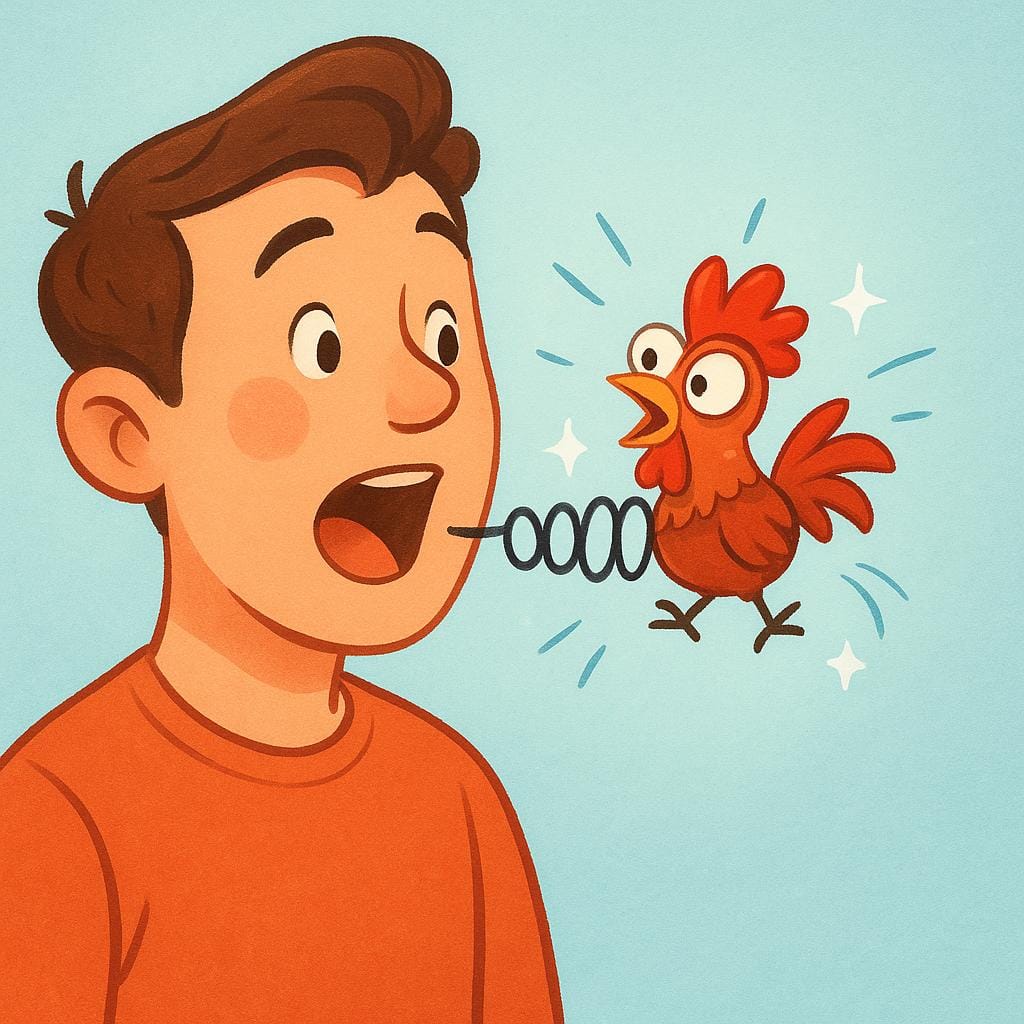
gallo
GAH-yohˈɡaʝo
Examples
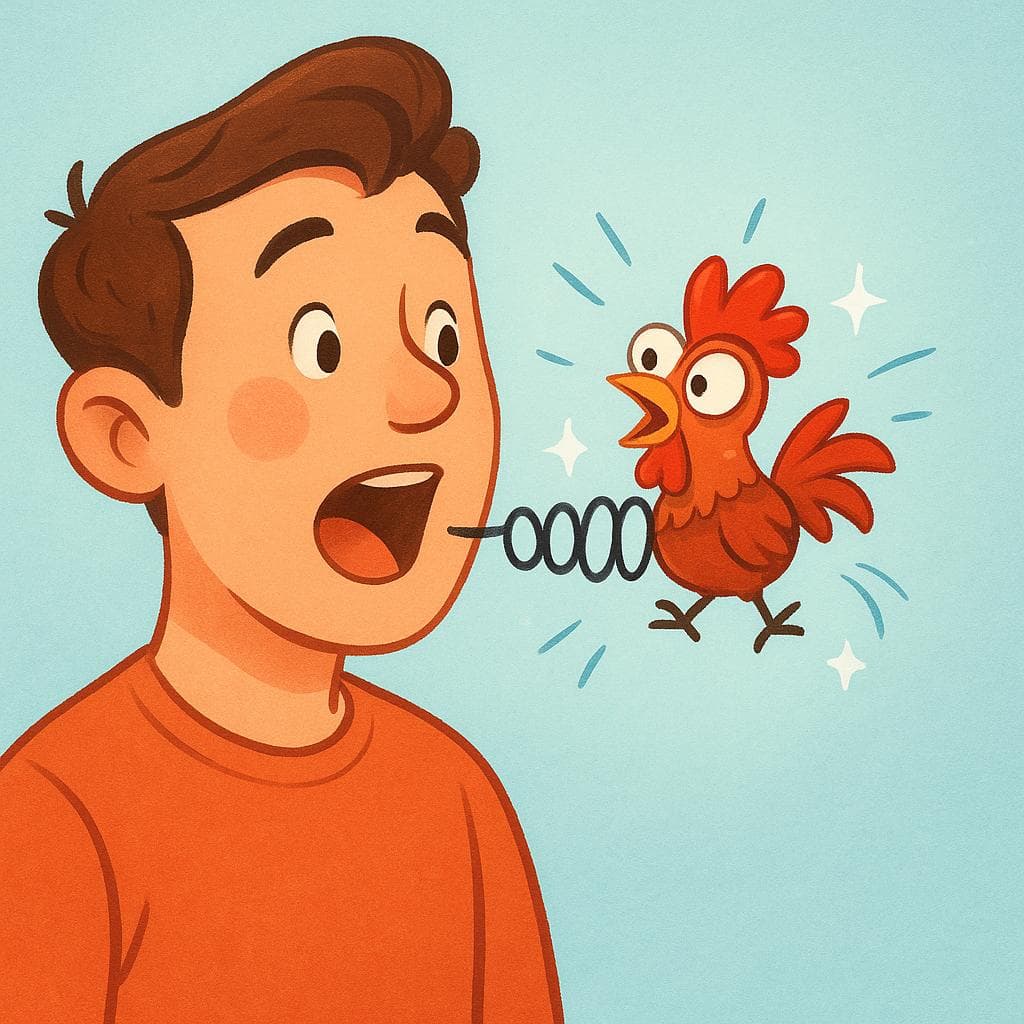
Se me salió un gallo cuando intenté cantar esa nota alta.
My voice cracked when I tried to sing that high note.
El presentador hizo un pequeño gallo al inicio de su discurso.
The presenter made a small blunder (voice crack) at the beginning of his speech.
The 'Se' Construction
When talking about an unintended accident like a voice crack, Spanish often uses the 'se' reflexive structure: 'Se me salió...' (It came out from me), showing the action happened accidentally.
Using 'Error'
Mistake: “Hice un error en mi voz.”
Correction: Hice un gallo / Se me salió un gallo. Use 'gallo' specifically for vocal mistakes or squeaks, not general errors.
Choosing between 'metida de pata' and 'oso'
Related Translations
Learn Spanish with Inklingo
Interactive stories, personalized learning, and more.