How to Say "they fired" in Spanish
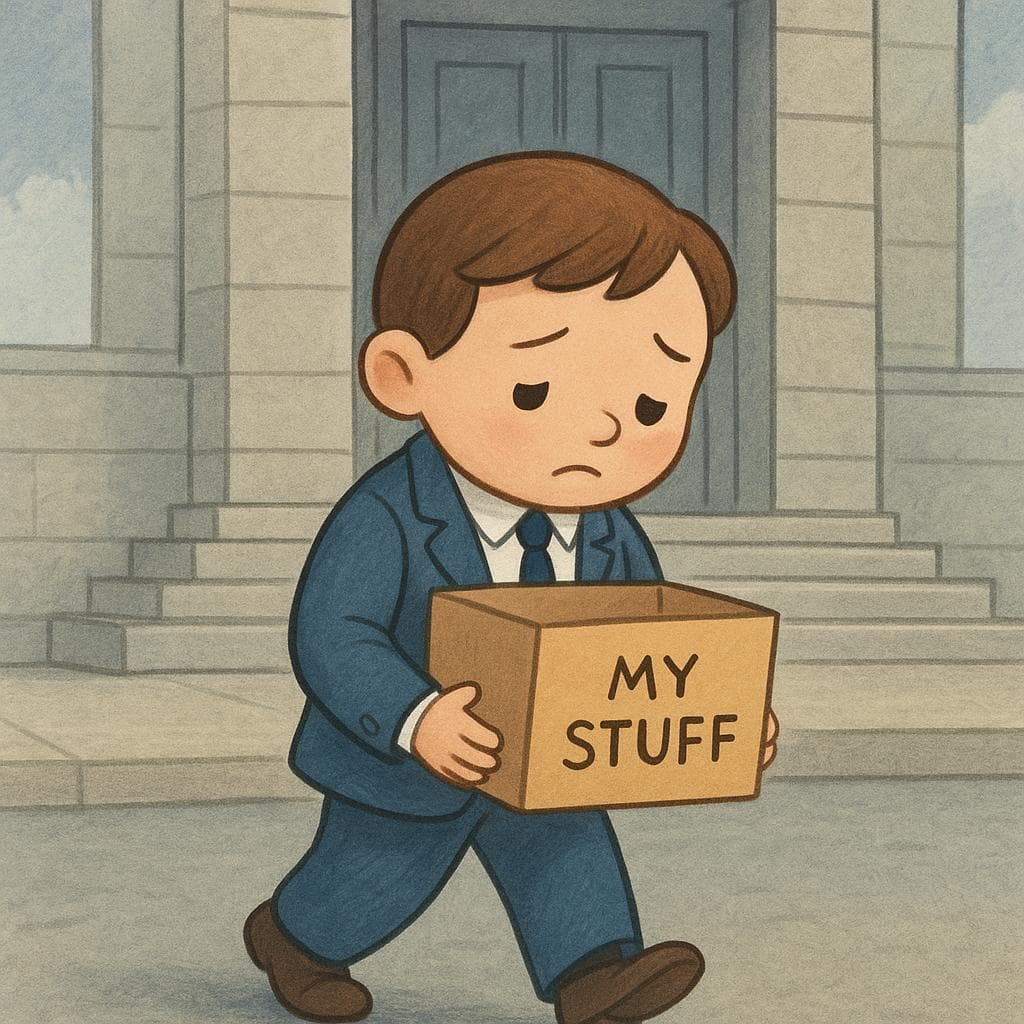
The most common Spanish word for “they fired” is “despidieron” — use 'despidieron' when referring to the act of dismissing someone from their job in a standard, direct way.

des-pee-DYER-ondespiˈðjeɾon

Examples
Despidieron a tres personas de mi oficina ayer.
They fired three people from my office yesterday.
Lamentablemente, los despidieron sin darles una razón.
Unfortunately, they were dismissed without being given a reason.
The Stem Change
Notice how the 'e' from 'despedir' changes to an 'i' in 'despidieron.' This happens in the past tense for 'they' and 'he/she' forms.
Completed Action
This word describes a completed action that happened once in the past, rather than something that used to happen repeatedly.
Spelling Error
Mistake: “despedieron”
Correction: despidieron. Even though the original verb is 'despedir', the 'e' must change to 'i' in this specific past form.
eh-CHAH-rohneˈt͡ʃaɾon
Examples
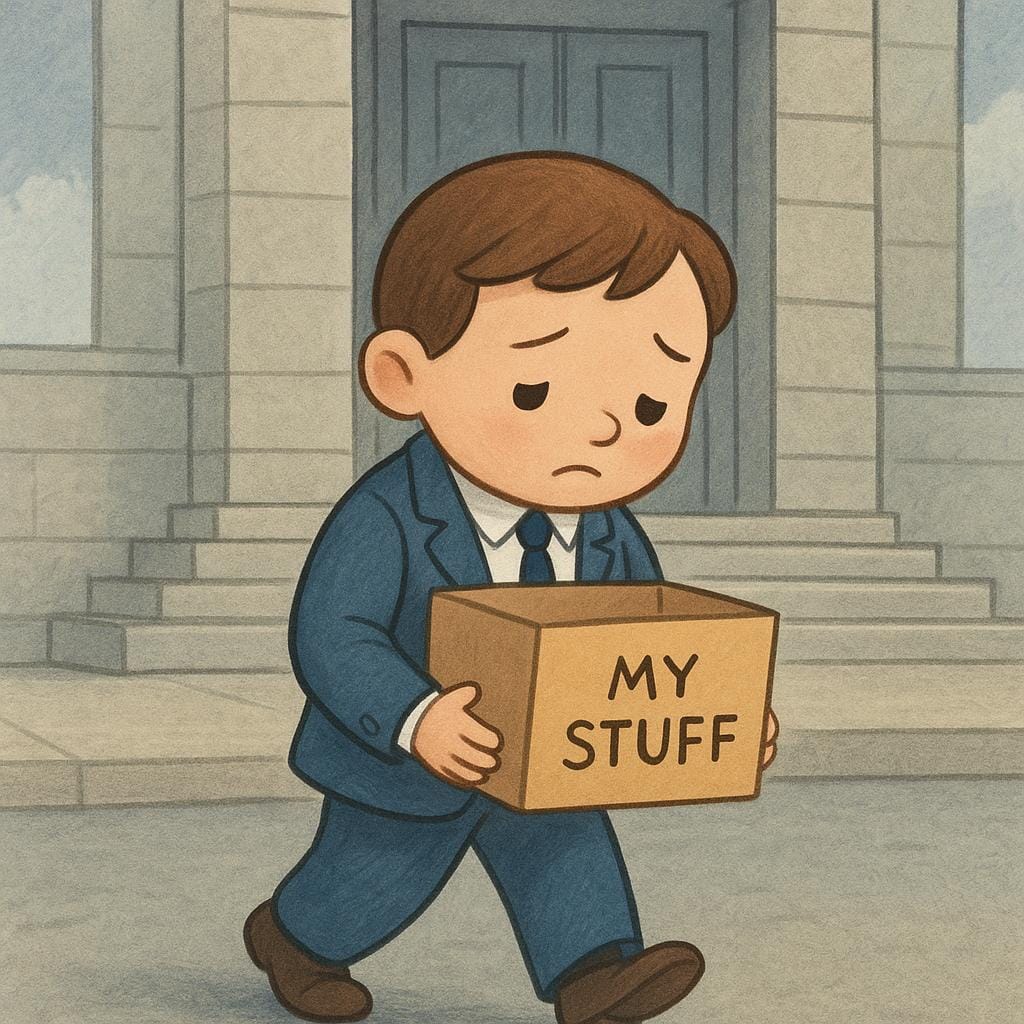
Debido a la crisis, echaron a varios empleados de la fábrica.
Due to the crisis, they fired several employees from the factory.
Cuando hicieron trampa en el examen, los profesores los echaron del aula.
When they cheated on the exam, the teachers kicked them out of the classroom.
Reflexive Use: 'Echarse'
The reflexive form 'echarse' often means 'to lie down' or 'to start doing something.' Example: 'Se echaron a dormir' (They lay down to sleep).
Choosing between 'despedir' and 'echar'
Learners often confuse 'despidieron' and 'echaron' because both mean 'they fired'. While 'despidieron' is the most common and neutral term for job dismissal, 'echaron' carries a slightly stronger sense of expulsion or removal, often implying a more forceful action or a reason tied to circumstances.
Related Translations
Learn Spanish with Inklingo
Interactive stories, personalized learning, and more.