How to Say "tidies up" in Spanish
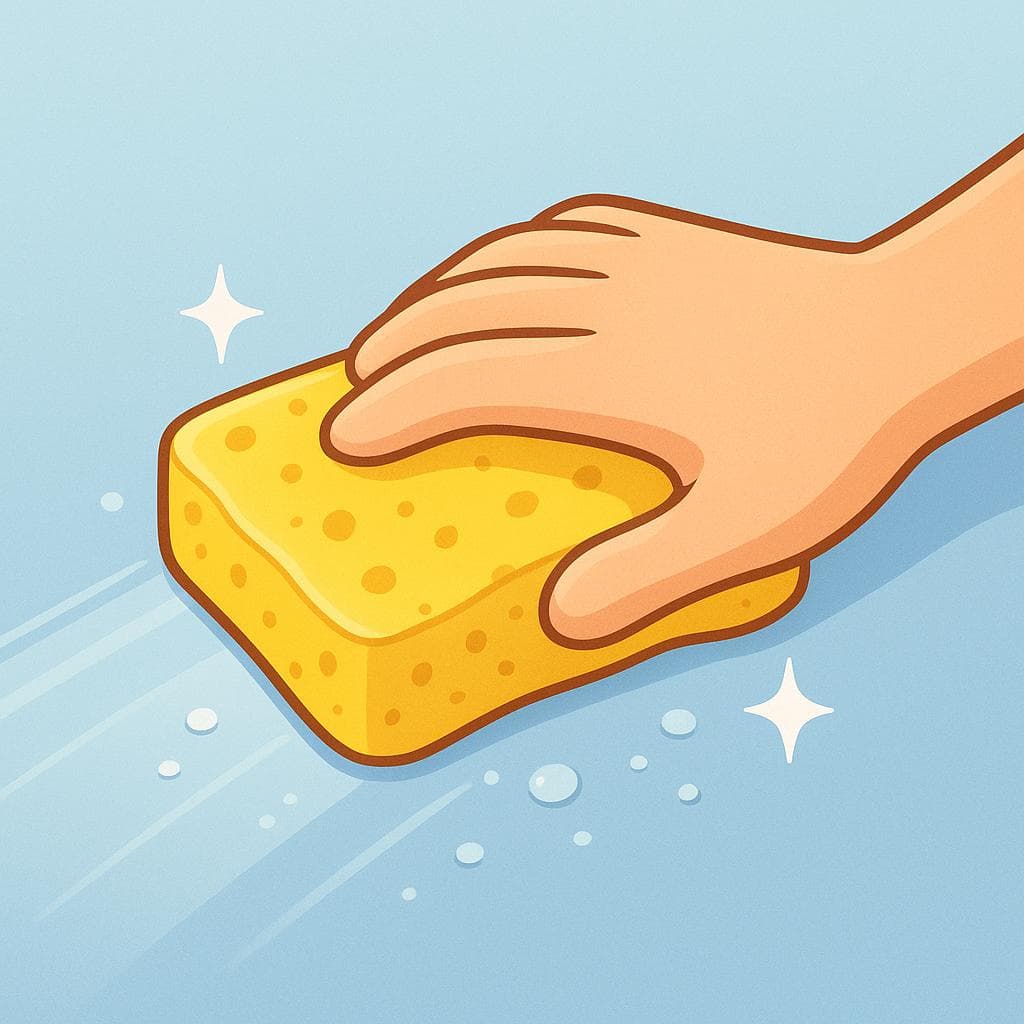
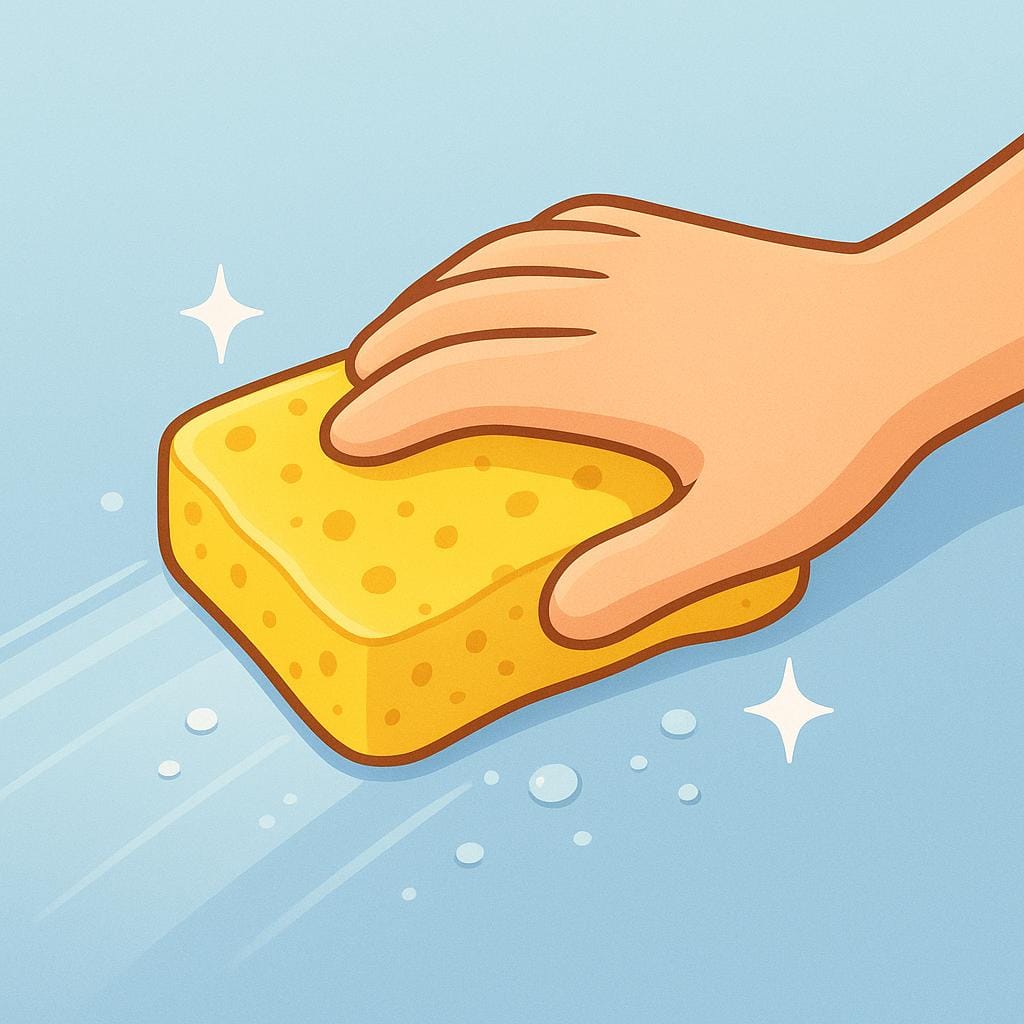
The most common Spanish word for “tidies up” is “limpia” — use 'limpia' when the action primarily involves removing dirt, dust, or clutter to make a space clean.
leem-pyahˈlimpja
Examples
Mi hermana siempre limpia su cuarto antes de salir.
My sister always cleans her room before going out.
Mi hermano siempre limpia su cuarto antes de salir.
My brother always cleans his room before going out.
¡Limpia tu plato! No lo dejes ahí.
Clean your plate! Don't leave it there.
La máquina limpia el suelo automáticamente.
The machine cleans the floor automatically.
Regular -AR Verb
'Limpia' comes from the regular -AR verb 'limpiar.' This means its endings follow the most common pattern, making it easy to conjugate in all tenses.
Same Form, Two Uses
The form 'limpia' is used for two main things: 1) What 'he/she/it' does now ('Ella limpia'), and 2) Giving an informal command to 'tú' ('¡Limpia!').
Mixing Imperative Forms
Mistake: “Using 'limpia' when giving a formal command to 'usted' (e.g., 'Usted limpia la ventana').”
Correction: For formal commands, the verb changes slightly to 'limpie' (e.g., 'Usted, limpie la ventana').
ah-RREH-glahaˈre.ɣla
Examples
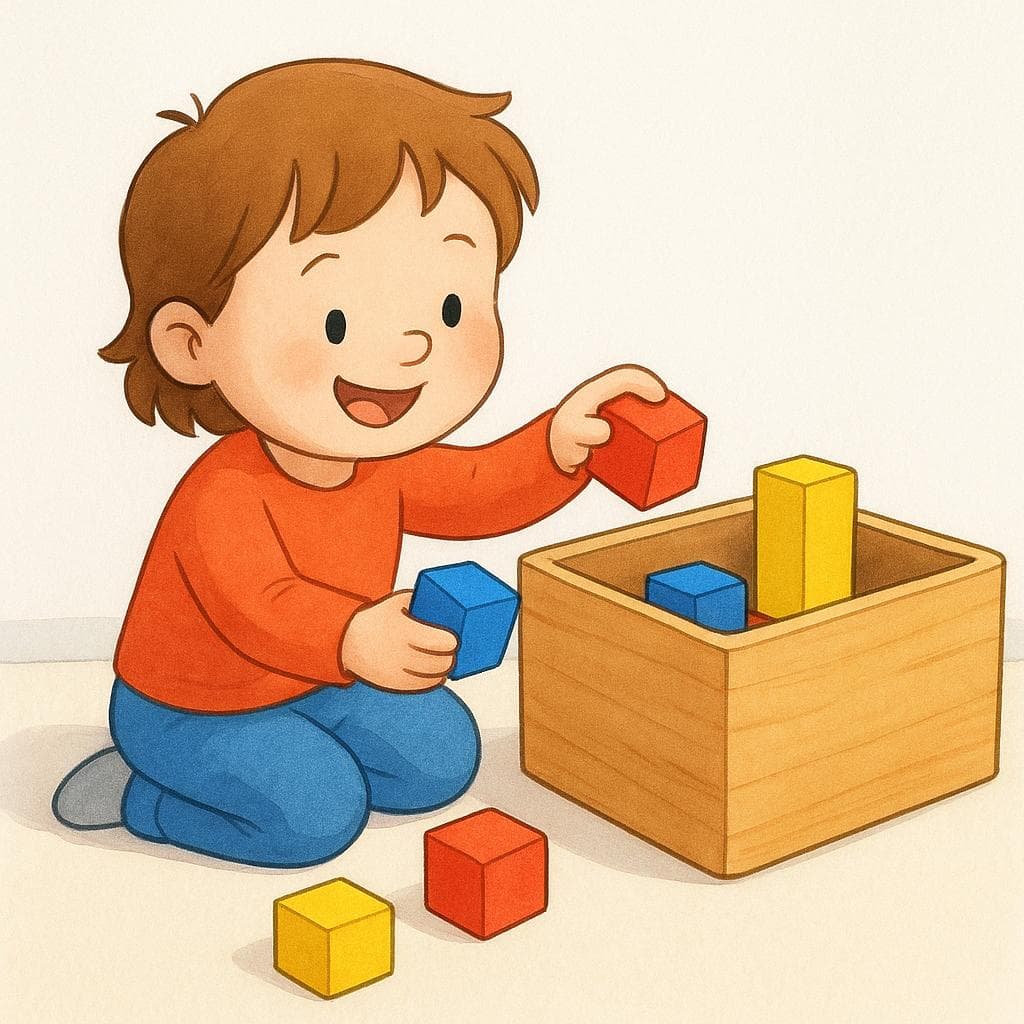
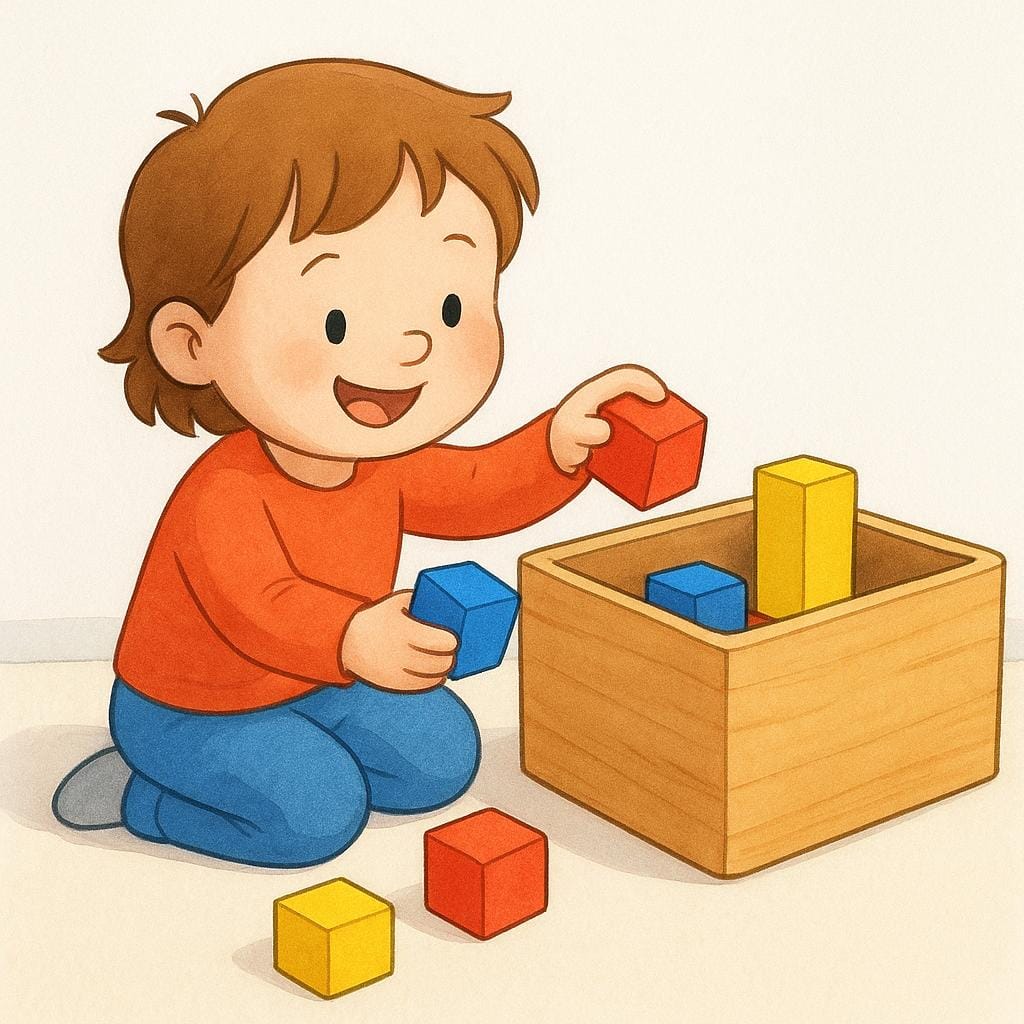
Ella arregla la mesa para la cena.
She arranges the table for dinner.
La sirvienta siempre arregla mi habitación.
The maid always tidies up my room.
¡Arregla tu cuarto antes de salir!
Tidy up your room before leaving!
Reflexive Use for Personal Appearance
When talking about getting ready, Spanish adds 'se' to the verb: 'Ella se arregla' means 'She gets herself ready' (or 'She dresses up').
Using 'Organizar' for Physical Tidy-up
Mistake: “Using 'organizar' when you mean 'tidy up' a space.”
Correction: 'Organizar' is better for documents or plans. Use 'arreglar' or 'ordenar' for cleaning up a room or desk.
Limpiar vs. Arreglar
Learners often confuse 'limpia' and 'arregla' because both can mean 'tidies up'. Remember that 'limpia' emphasizes the act of cleaning and removing dirt, while 'arregla' focuses on organizing and putting things in order.
Related Translations
Learn Spanish with Inklingo
Interactive stories, personalized learning, and more.