How to Say "fixes" in Spanish
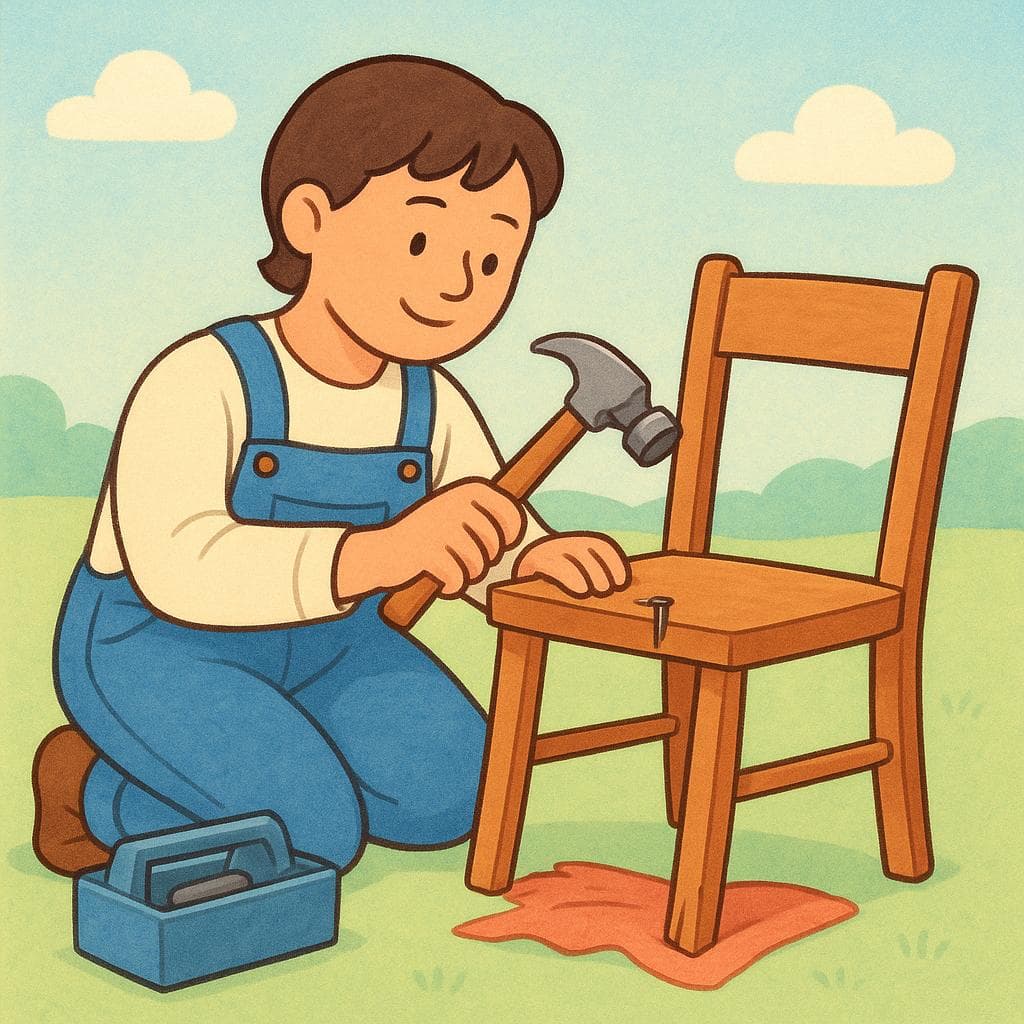
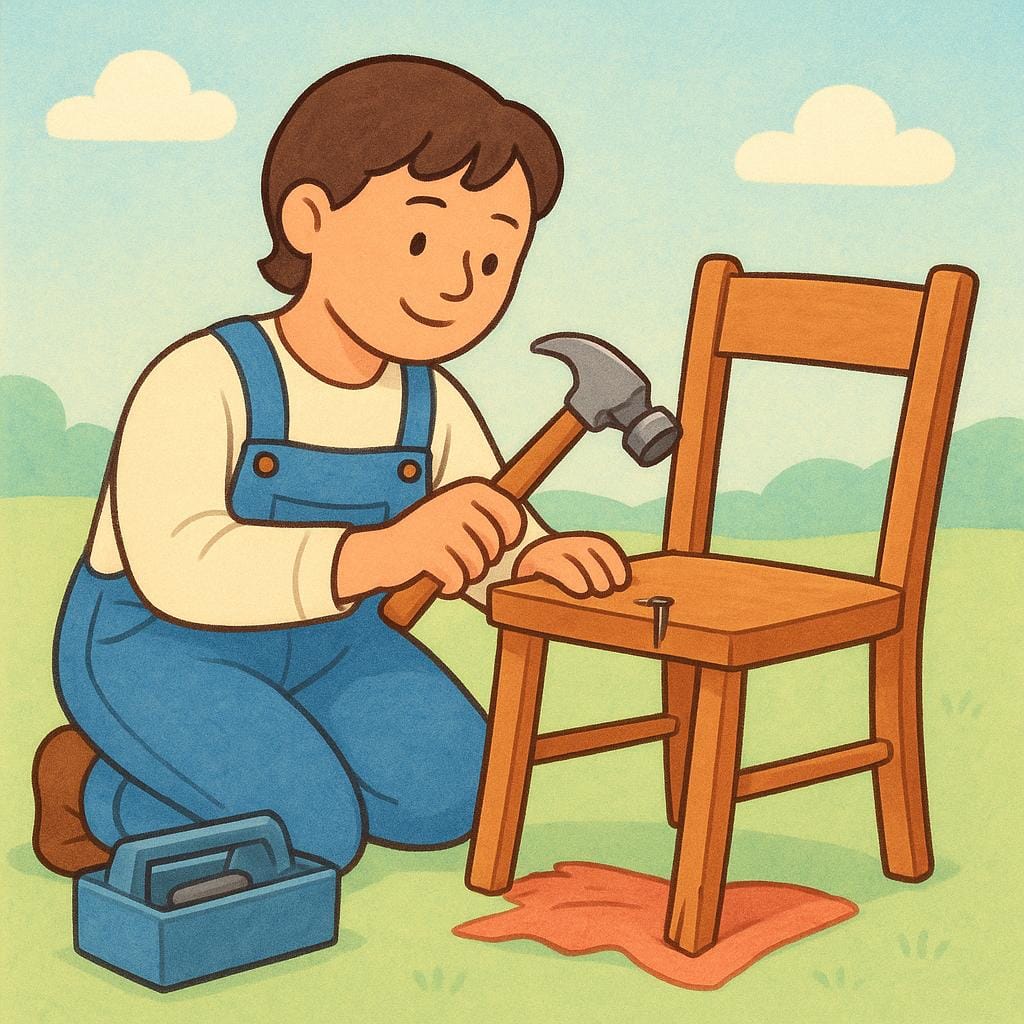
The most common Spanish word for “fixes” is “arregla” — use 'arregla' when you mean to repair or mend something that is broken or not working properly.
ah-RREH-glahaˈre.ɣla
Examples
Mi hermano arregla las bicicletas viejas.
My brother fixes the old bikes.
Usted arregla el error de la factura, por favor.
You (formal) fix the mistake on the bill, please.
¡Arregla el televisor! No funciona.
Fix the TV! It doesn't work.
Dual Role of 'Arregla'
'Arregla' is used when talking about what a single person (he/she/it) does now, OR when giving a friendly, informal command to 'tú' (you).
Mixing up the Command Form
Mistake: “Using 'arregle' for the informal command (tú).”
Correction: Use 'arregla' for the informal command ('tú') and reserve 'arregle' for the formal command ('usted').
FEE-hahˈfixa
Examples
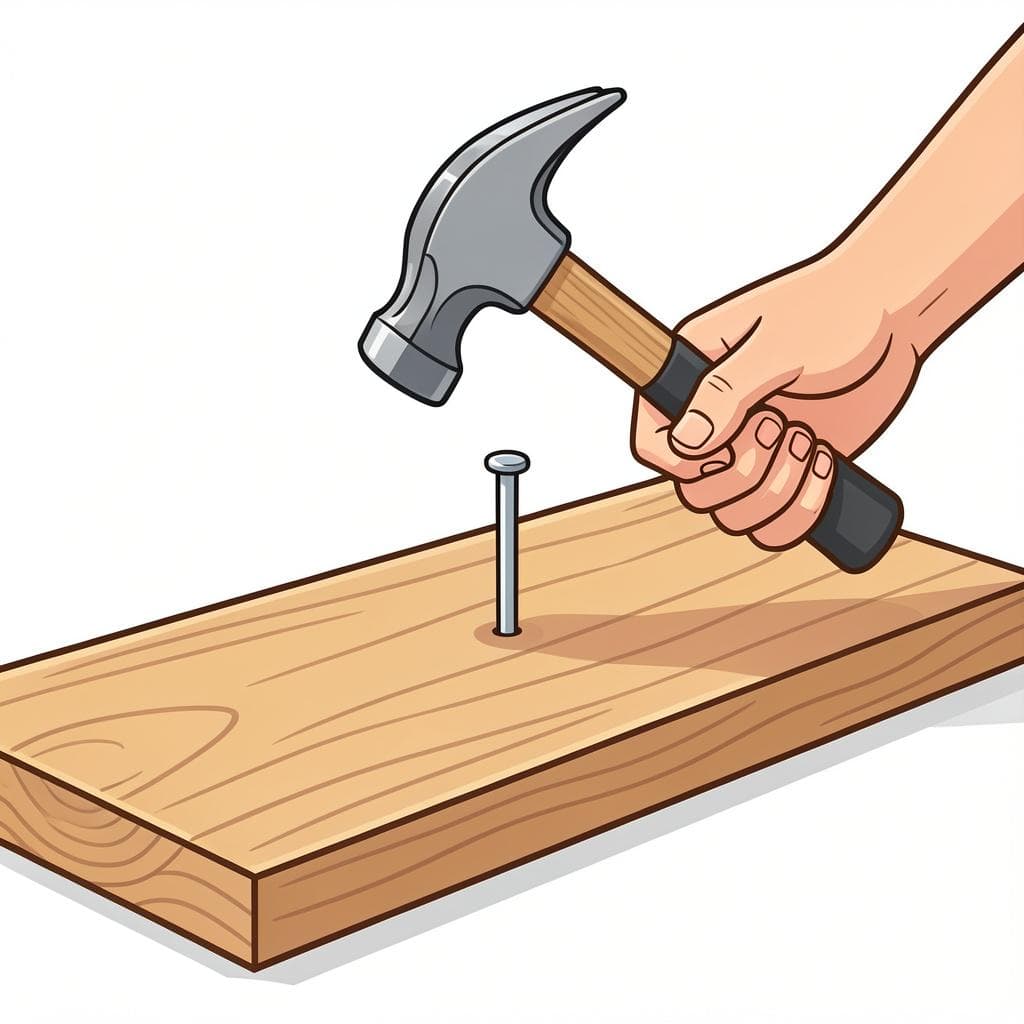
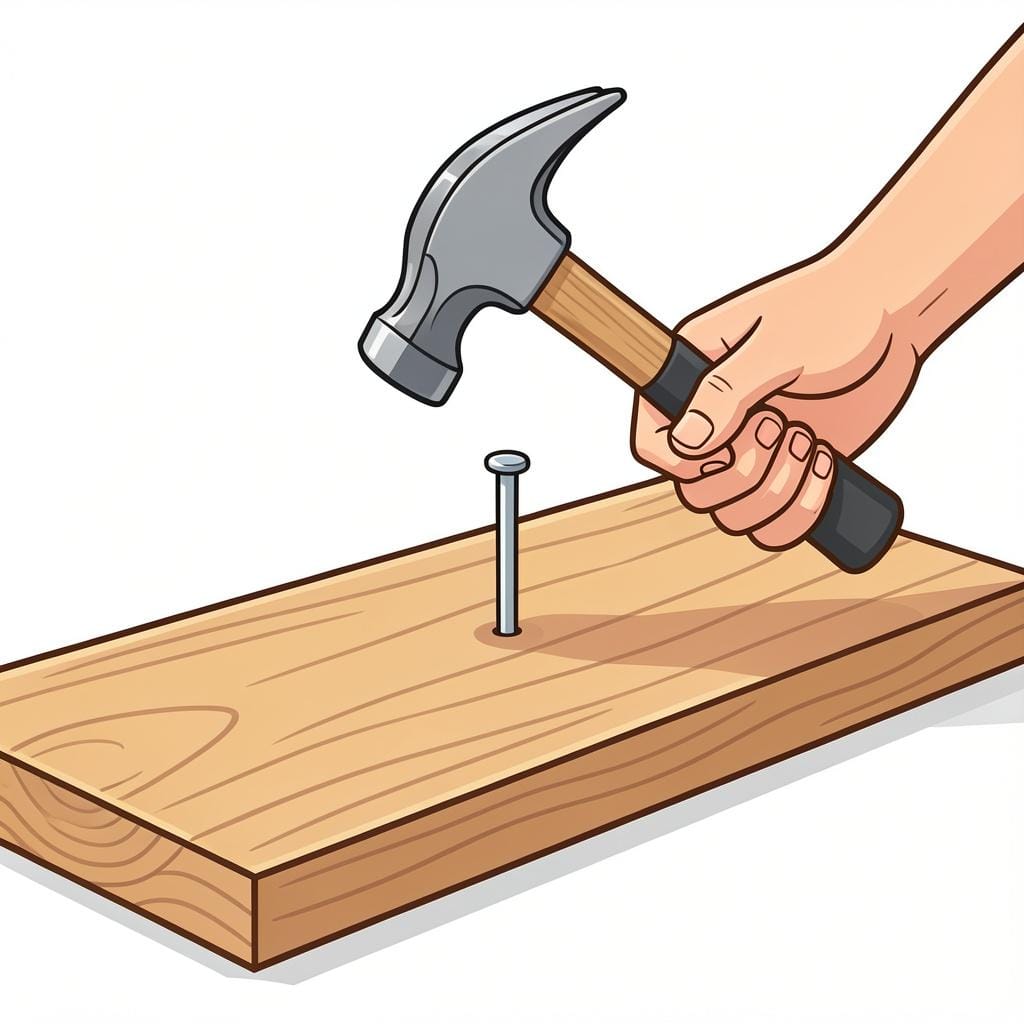
Él fija el cuadro en la pared.
He fixes the painting on the wall.
Ella se fija en cada detalle.
She notices every detail.
Multiple Personalities
'Fija' can mean 'he/she fixes' or it can be a command telling a friend to 'Fix!' or 'Notice!' something.
Paying Attention
When you want to say 'notice' or 'pay attention to,' you must add the little word 'se': 'Ella se fija' (She notices).
Fijar vs. Mirar
Mistake: “Using 'fija' when you just mean 'look.'”
Correction: Use 'fija' (with 'se') when you mean 'to notice a detail' or 'pay attention,' not just for the act of seeing.
Repair vs. Fasten
Learners often confuse 'arreglar' (to repair) with 'fijar' (to fasten). Remember that 'arreglar' is for fixing things that are broken, while 'fijar' is for attaching or securing items.
Related Translations
Learn Spanish with Inklingo
Interactive stories, personalized learning, and more.