fija
“fija” means “fixed” in Spanish. It has 3 different meanings depending on context:

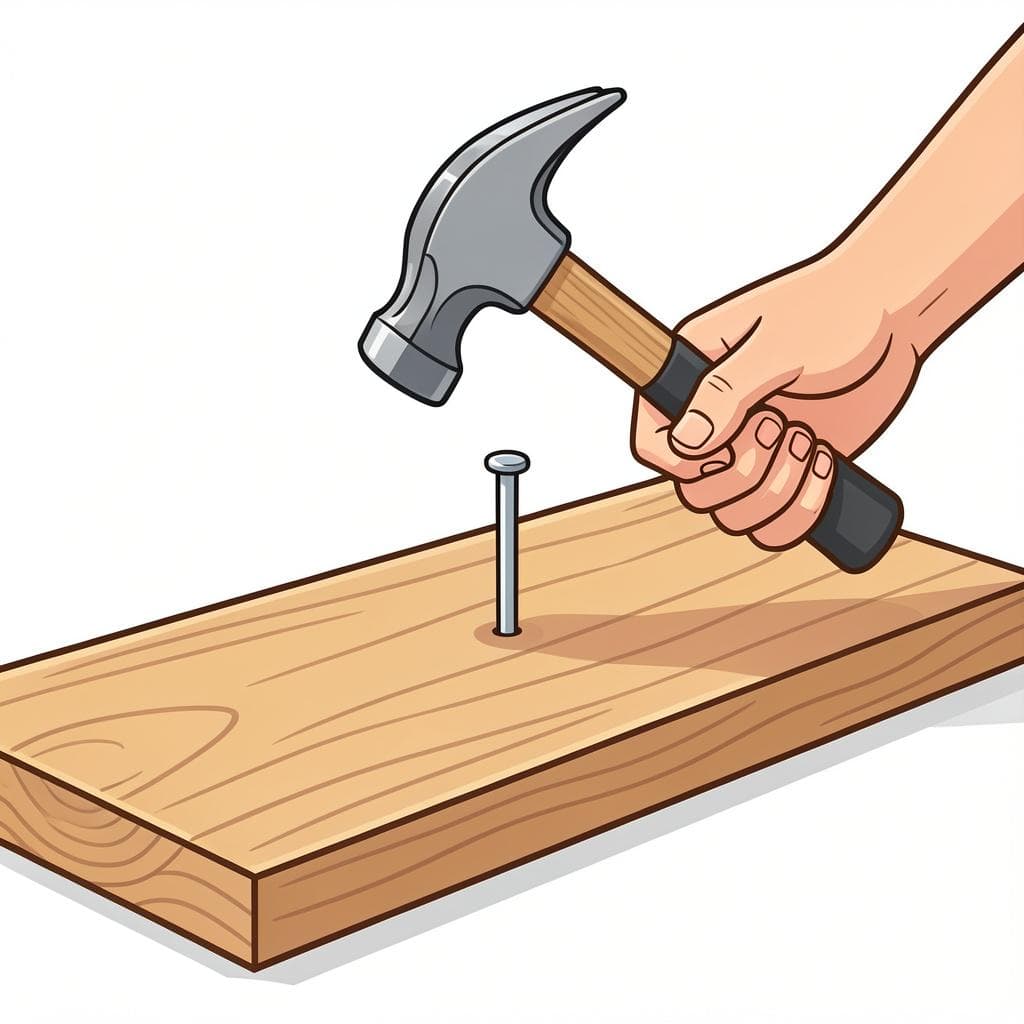

fixed
Also: steady, permanent
📝 In Action
La estantería está fija a la pared.
A2The bookshelf is fixed to the wall.
Ella tiene una idea fija en la cabeza.
B1She has a fixed idea in her head.
fixes
Also: notices, stares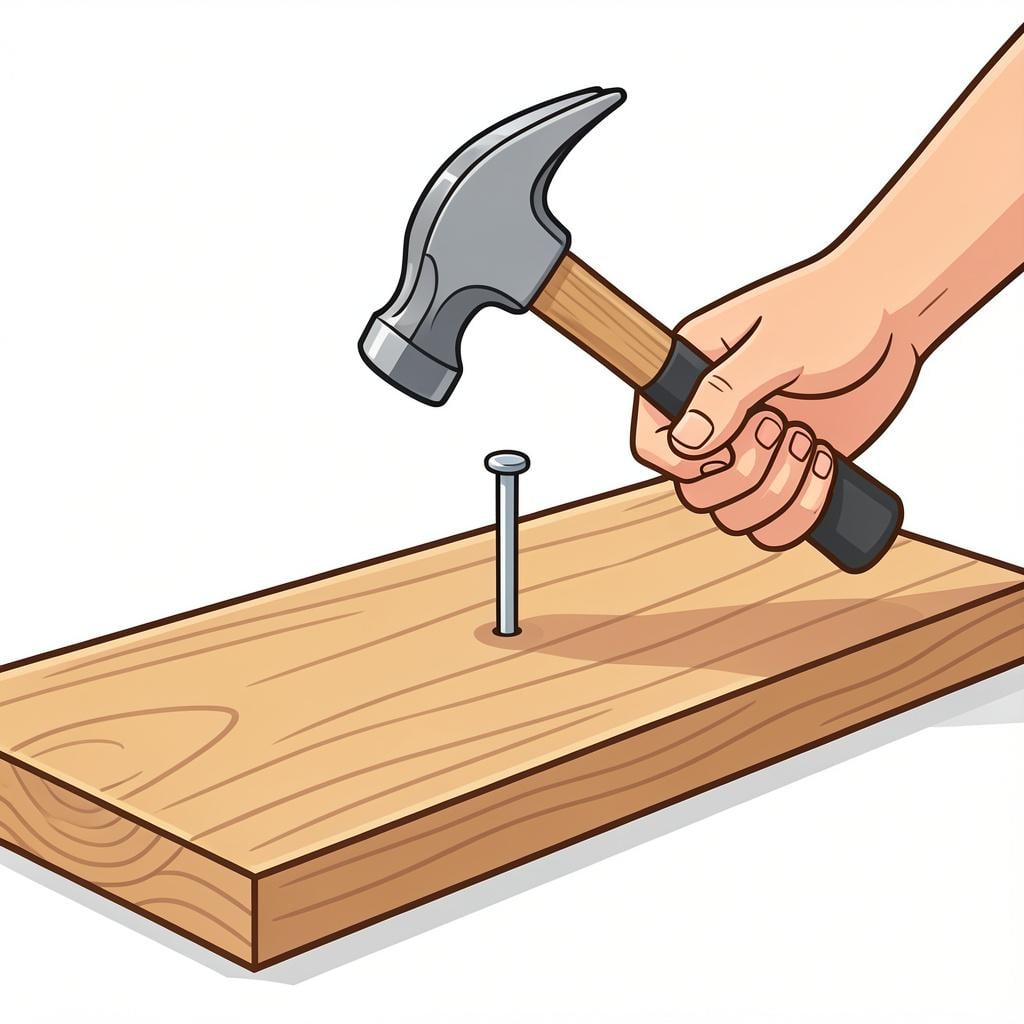
📝 In Action
Él fija el cuadro en la pared.
B1He fixes the painting on the wall.
Ella se fija en cada detalle.
B1She notices every detail.
sure thing

📝 In Action
Ese caballo es una fija.
C1That horse is a sure thing (a guaranteed winner).
Subjunctive
Imperfect Subjunctive
Present Subjunctive
Indicative
Preterite
Imperfect
Present
Translate to Spanish
✏️ Quick Practice
Quick Quiz: fija
Question 1 of 2
If you want to tell a friend 'Look closely at this!' which would you use?
📚 More Resources
👥 Word Family▼
🎵 Rhymes▼
📚 Etymology▼
From the Latin word 'fixus', which describes something that has been fastened or pierced into place.
First recorded: 13th century
Cognates (Related words)
💡 Master Spanish
Take your Spanish to the next level. Read 200+ illustrated and narrated Spanish stories tailored to your level with the Inklingo app!
Frequently Asked Questions
What is the difference between 'fija' and 'fijo'?
They mean the same thing, but 'fija' is for feminine nouns (like 'una mesa fija') and 'fijo' is for masculine nouns (like 'un precio fijo').
Does 'fija' mean 'to repair' like in English?
Not usually. In Spanish, to repair something broken, we use 'reparar' or 'arreglar'. 'Fija' means to fasten something so it doesn't move or to set a limit.