How to Say "to condense" in Spanish
The most common Spanish word for “to condense” is “resumir” — use 'resumir' when you want to make a text, idea, or event shorter, like summarizing a book or a meeting.
Use 'resumir' when you want to make a text, idea, or event shorter, like summarizing a book or a meeting.
Learn more →
Use 'concentrar' when you are making a liquid stronger by removing water or when you are gathering or focusing resources in one place.
Learn more →
Use 'sudar' specifically when referring to the condensation of water vapor, like droplets forming on a cold glass or surface, which is a literal translation of 'to condense' in a scientific context.
Learn more →rreh-soo-MEERre.suˈmir
Examples
¿Puedes resumir la película en pocas palabras?
Can you summarize the movie in a few words?
El profesor nos pidió resumir el primer capítulo del libro.
The teacher asked us to summarize the first chapter of the book.
Para resumir, estamos muy contentos con los resultados.
To sum up, we are very happy with the results.
A Regular -ir Verb
Good news! This verb follows the standard rules for all verbs ending in -ir. No stem changes or weird endings to memorize.
Using 'En resumen' as a Transition
If you want to finish a speech or a paragraph, use 'En resumen' at the start of your final sentence to signal you are wrapping up.
The 'Resume' Trap
Mistake: “Using 'resumir' to mean starting something again.”
Correction: Use 'reanudar' or 'continuar' for 'to resume' (start again). 'Resumir' only means to shorten or recap information.
kon-sen-TRARkon.senˈtɾaɾ

Examples
El gobierno decidió concentrar los recursos en la capital.
The government decided to gather/center the resources in the capital.
Tienes que concentrar el jugo hirviéndolo un poco más.
You have to condense the juice by boiling it a bit longer.
La policía concentró a la multitud en la plaza.
The police gathered the crowd in the square.
Moving things vs. Focusing minds
When you are the one moving objects or people to a center, you do NOT use the 'me/te/se' words. Only use them for your own mental focus.
Adding 'se' unnecessarily
Mistake: “El chef se concentró la salsa.”
Correction: El chef concentró la salsa. (The chef didn't focus his mind on the sauce; he physically thickened it).
soo-DAHRsuˈðar
Examples
El vapor se condensa en el espejo del baño.
The vapor condenses on the bathroom mirror.
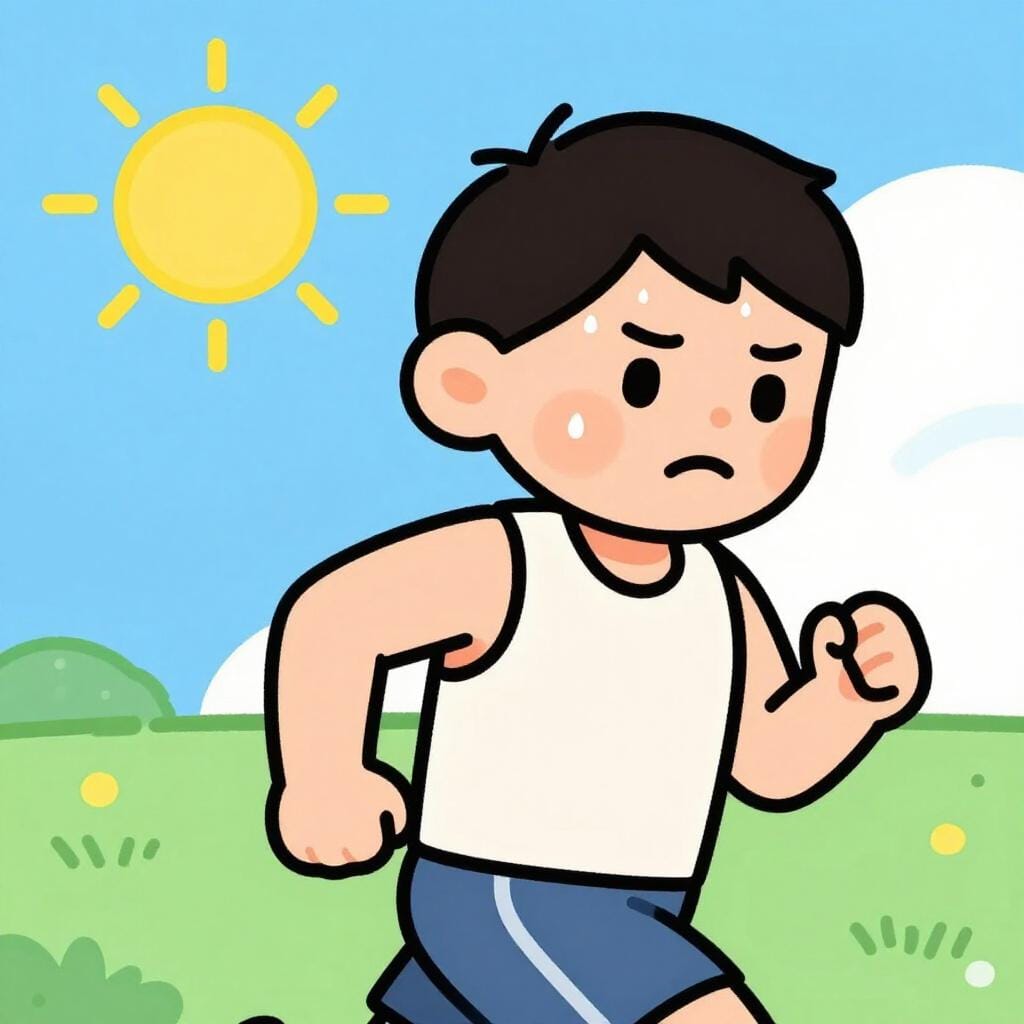
Sudo mucho cuando voy al gimnasio.
I sweat a lot when I go to the gym.
La botella de agua está sudando por el calor.
The water bottle is 'sweating' (condensing) because of the heat.
Empezó a sudar frío cuando vio el examen.
He started breaking out in a cold sweat when he saw the exam.
Using the Present Tense for Ongoing Actions
While English says 'I am sweating,' Spanish speakers often just use the simple present 'Sudo' to describe what is happening right now.
Action vs. State
Use the verb 'sudar' for the action of sweating. To say you are already covered in sweat, use the adjective 'sudado' with the verb 'estar'.
Avoid 'Tener Sudor'
Mistake: “Tengo sudor.”
Correction: Estoy sudando (I am sweating) or Tengo calor (I am hot). While 'sudor' is the noun, we usually use the verb 'sudar' to express the action.
Confusing 'resumir' and 'concentrar'
Learners often confuse 'resumir' (to summarize) with 'concentrar' (to concentrate or gather). Remember that 'resumir' is for shortening information, while 'concentrar' applies to liquids or resources. 'Sudar' is for water vapor condensation.
Related Translations
Learn Spanish with Inklingo
Interactive stories, personalized learning, and more.