How to Say "to permeate" in Spanish
The most common Spanish word for “to permeate” is “impregnar” — use 'impregnar' when a liquid, gas, or smell spreads through and saturates a solid material, like cloth or food.

eem-preg-NAHRim.pɾeɣˈnaɾ
Examples
El olor a ajo impregnó toda la cocina.
The smell of garlic permeated the entire kitchen.
Tienes que impregnar el algodón con alcohol.
You have to soak the cotton with alcohol.
El olor a café impregnaba toda la casa.
The smell of coffee permeated the whole house.
La lluvia impregnó su ropa por completo.
The rain completely saturated his clothes.
Using 'de' vs 'con'
While you can use 'con' (with) for the tool used, you almost always use 'de' to describe the substance that is filling or soaking the object, like 'impregnado de perfume'.
Reflexive Use
Use 'impregnarse' when something gets soaked on its own or by accident, such as 'Mi ropa se impregnó de humo' (My clothes got soaked in smoke).
Confusing with 'embarazar'
Mistake: “Using 'impregnar' to say someone is pregnant.”
Correction: While 'impregnar' can technically mean to fertilize in biological contexts, in daily life always use 'embarazar' for people.
een-feel-TRARiɱfilˈtɾaɾ

Examples
La humedad se infiltra en los cimientos de la casa.
Moisture permeates the foundations of the house.
El agua se infiltra por las grietas de la pared.
The water seeps in through the cracks in the wall.
El médico decidió infiltrar la rodilla para calmar el dolor.
The doctor decided to give an injection in the knee to calm the pain.
La humedad se ha infiltrado en toda la estructura.
Moisture has permeated the entire structure.
Physical movement
When talking about liquids, we often use the form with 'se' (infiltrarse) because the liquid is moving by itself through a material.
Impregnar vs. Infiltrar
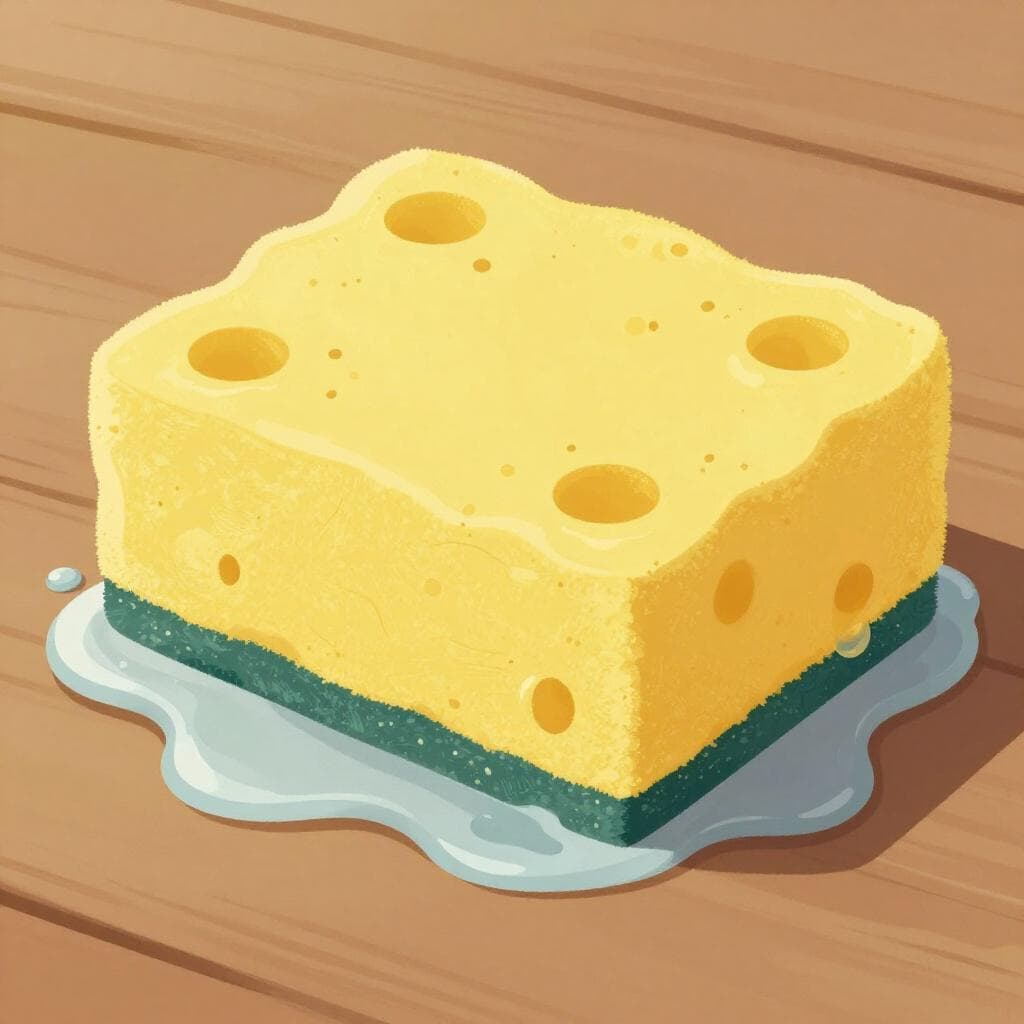
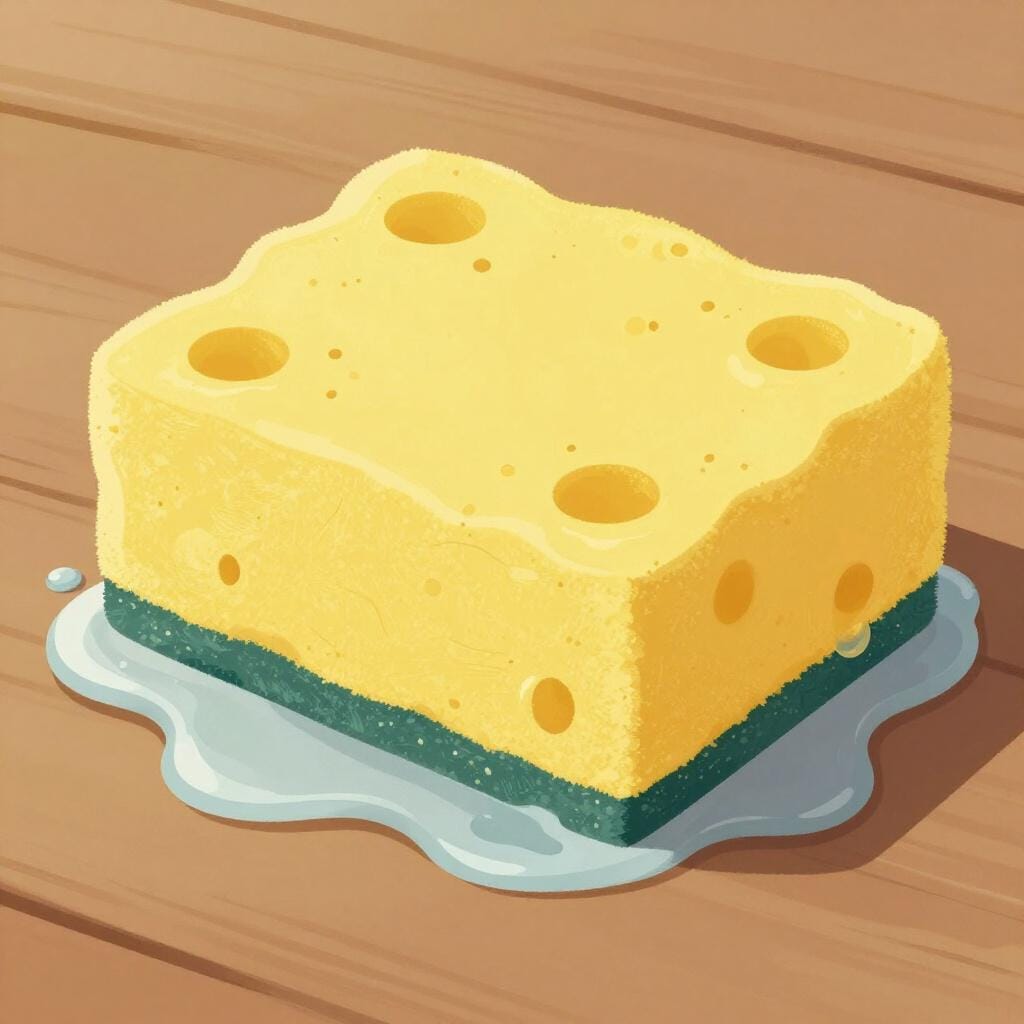
Learners often confuse 'impregnar' and 'infiltrar' because both involve spreading. Remember that 'impregnar' implies saturation (like a sponge soaking up water), while 'infiltrar' suggests a slower, more insidious spread through cracks or porous material.
Related Translations
Learn Spanish with Inklingo
Interactive stories, personalized learning, and more.