How to Say "to soak" in Spanish
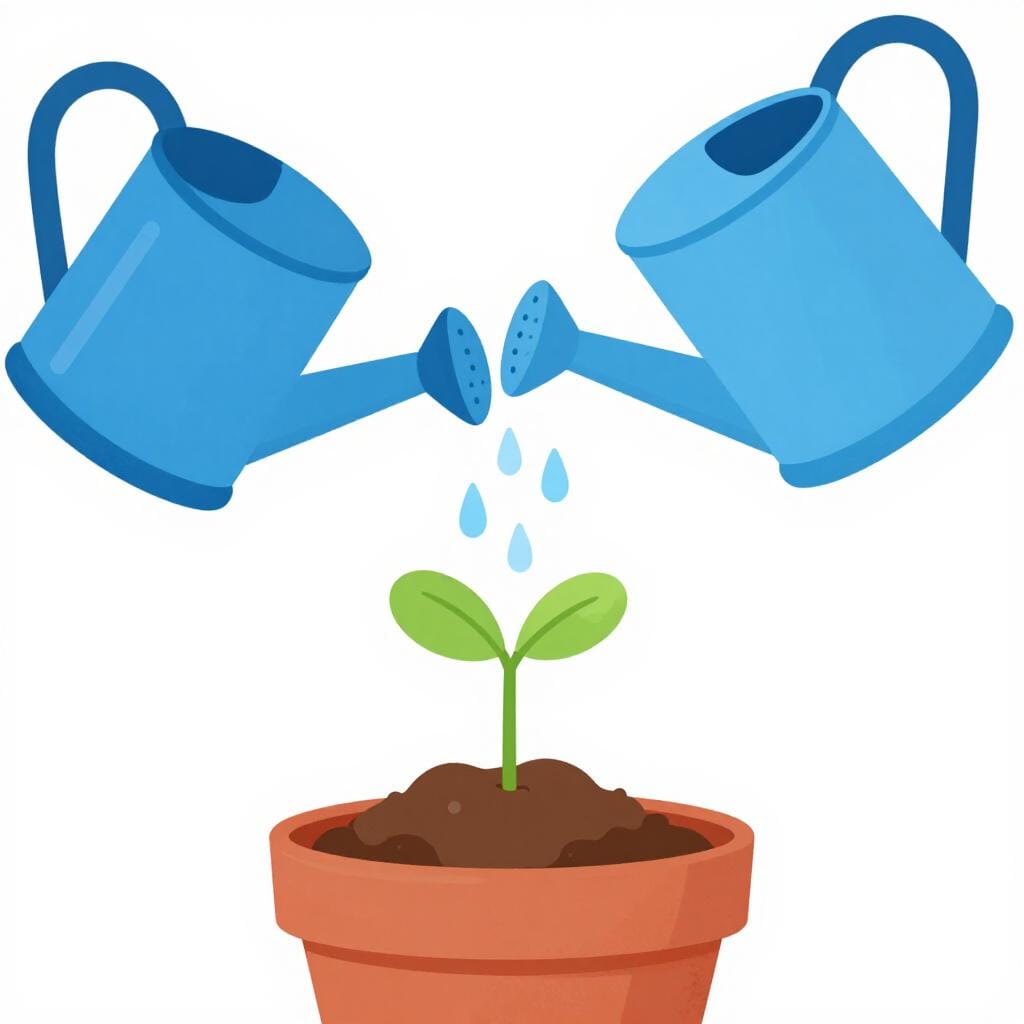
The most common Spanish word for “to soak” is “mojar” — use 'mojar' when something simply gets wet, especially unintentionally, like from rain or a spill.
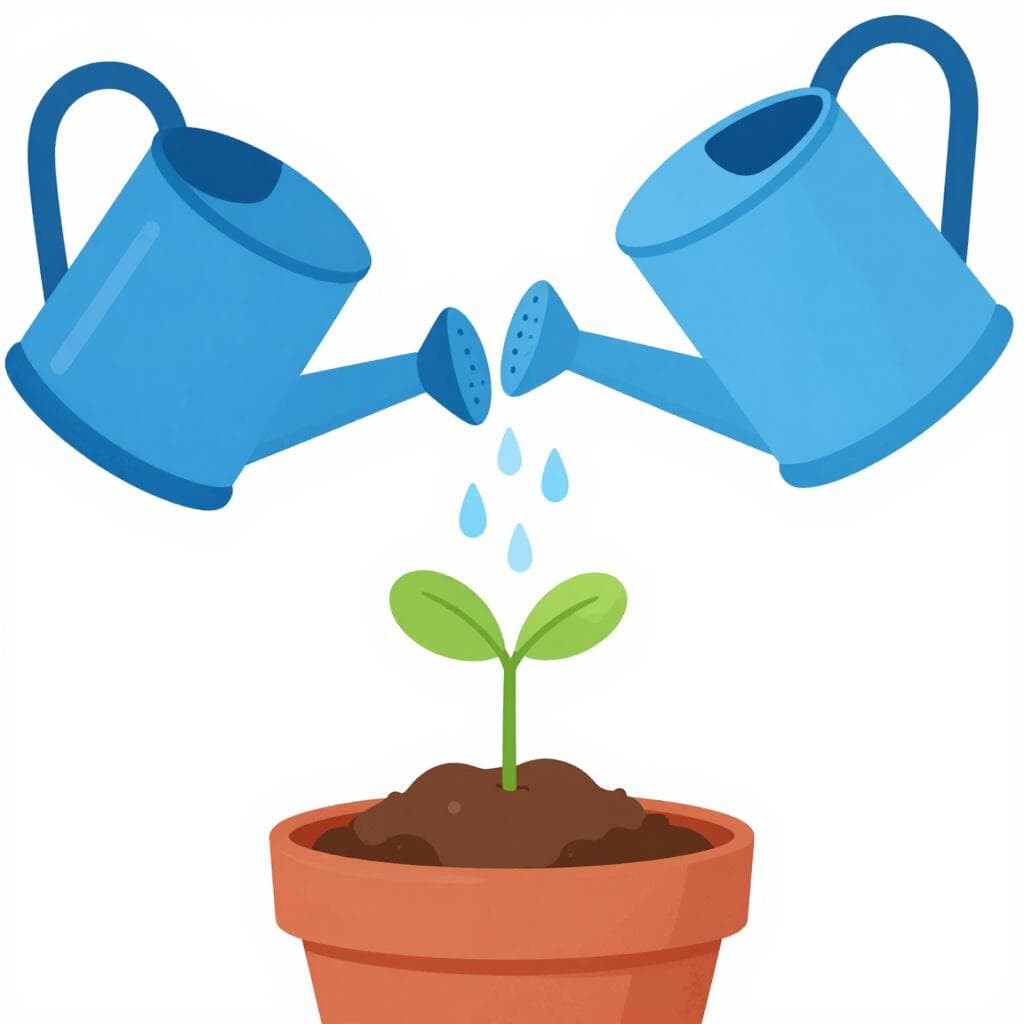
Use 'mojar' when something simply gets wet, especially unintentionally, like from rain or a spill.
Learn more →
Use 'ablandar' specifically when the purpose of soaking is to make something soft, like beans or tough food.
Learn more →
Use 'sumergir' when you are putting something into a liquid, often for a short time or as a specific step in a process, like blanching.
Learn more →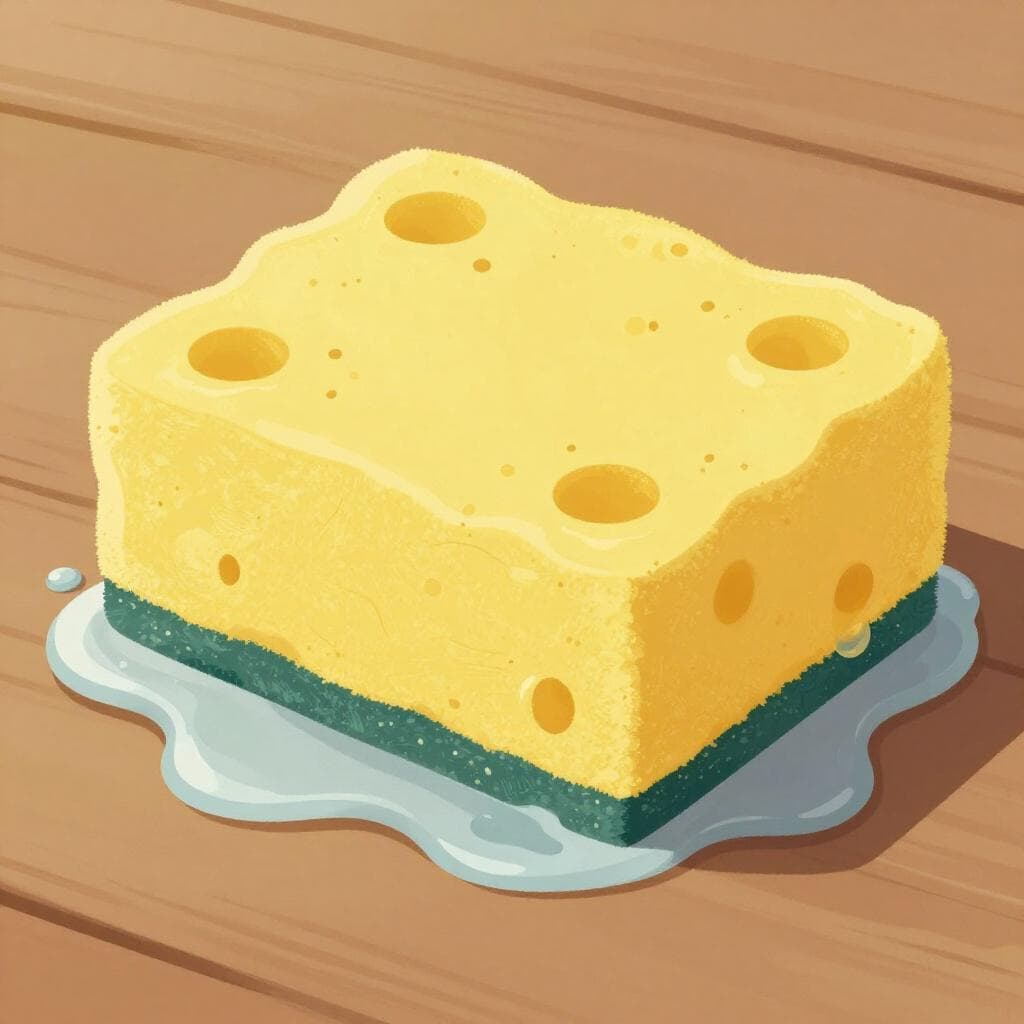
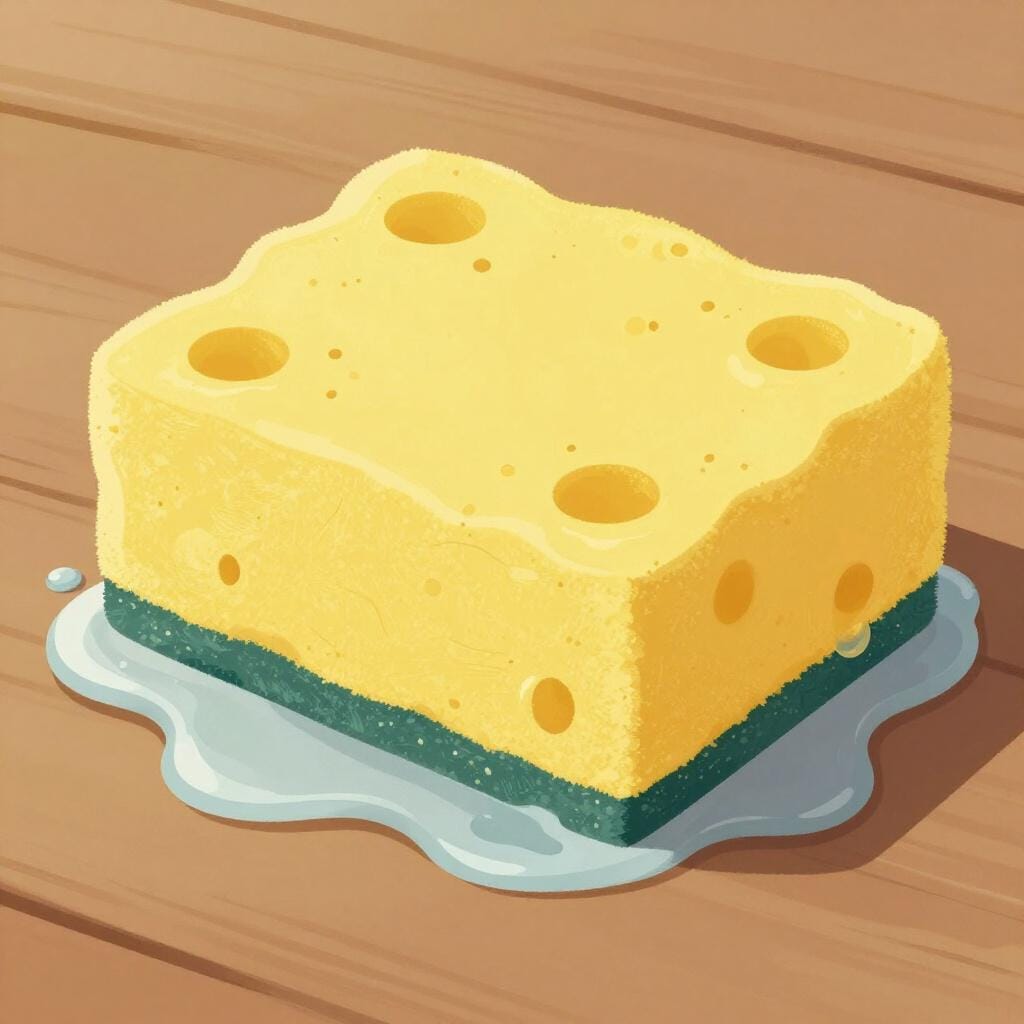
Use 'impregnar' when you want to thoroughly saturate a material with a liquid, like applying a cleaning solution or medicinal alcohol.
Learn more →moh-HARmoˈxaɾ
Examples
La lluvia me mojó la chaqueta.
The rain got my jacket wet.
No mojes el suelo de la cocina.
Don't get the kitchen floor wet.
El niño mojó la toalla en la piscina.
The boy soaked the towel in the pool.
Doing it vs. It happening to you
Use 'mojar' when you make something else wet. Use 'mojarse' (adding the 'se' at the end) when you are the one getting wet by accident or on purpose.
A regular verb
Good news! This verb follows the standard rules for verbs ending in -ar. No surprise spelling changes here.
Getting yourself wet
Mistake: “Me mojé la lluvia.”
Correction: Me mojé con la lluvia. (Use 'mojarse' when the rain gets you wet, and 'con' to show what caused it).
ah-blahn-DAHRaβlanˈdaɾ

Examples
Tienes que remojar los frijoles para ablandarlos.
You have to soak the beans to soften them.
El sol ablandó el asfalto de la carretera.
The sun softened the asphalt on the road.
Usa un mazo para ablandar la carne antes de cocinarla.
Use a mallet to tenderize the meat before cooking it.
Adding 'se' for Automatic Actions
If something softens on its own, add 'se' to the end: 'La mantequilla se ablanda' (The butter softens).
Direct Objects
This verb usually needs an object. If you don't say what you are softening, use 'lo' or 'la' to refer back to it.
Ablandar vs. Suavizar
Mistake: “Using 'suavizar' for hard beans.”
Correction: Use 'ablandar' for changing something from hard to soft, and 'suavizar' for making a surface feel smooth.
soo-mair-HEERsumerˈxiɾ

Examples
Debes sumergir los tomates en agua hirviendo.
You should dip the tomatoes in boiling water.
El submarino se empezó a sumergir lentamente.
The submarine began to submerge slowly.
Sumergí mi cabeza en la piscina para refrescarme.
I dipped my head in the pool to cool off.
The 'G' to 'J' Swap
To keep the strong 'H' sound, the 'g' changes to a 'j' whenever the next letter is an 'a' or an 'o' (like in 'yo sumerjo').
Using it with 'en'
In Spanish, we always use the word 'en' (in) after sumergir to say what something is being dipped into.
Spelling Error with 'Yo'
Mistake: “Yo sumergo.”
Correction: Yo sumerjo. In Spanish, 'go' sounds like 'go' in 'gold'. To get the 'H' sound, we need the 'j'.
eem-preg-NAHRim.pɾeɣˈnaɾ
Examples
Tienes que impregnar el algodón con alcohol.
You have to soak the cotton with alcohol.
El olor a café impregnaba toda la casa.
The smell of coffee permeated the whole house.
La lluvia impregnó su ropa por completo.
The rain completely saturated his clothes.
Using 'de' vs 'con'
While you can use 'con' (with) for the tool used, you almost always use 'de' to describe the substance that is filling or soaking the object, like 'impregnado de perfume'.
Reflexive Use
Use 'impregnarse' when something gets soaked on its own or by accident, such as 'Mi ropa se impregnó de humo' (My clothes got soaked in smoke).
Confusing with 'embarazar'
Mistake: “Using 'impregnar' to say someone is pregnant.”
Correction: While 'impregnar' can technically mean to fertilize in biological contexts, in daily life always use 'embarazar' for people.
Mojar vs. Ablandar/Sumergir
Learners often use 'mojar' (to get wet) when they mean to intentionally soak something to soften it ('ablandar') or as part of a cooking process ('sumergir'). Remember, 'mojar' is usually about accidental wetting, not a deliberate soaking action.
Related Translations
Learn Spanish with Inklingo
Interactive stories, personalized learning, and more.