How to Say "to photograph" in Spanish
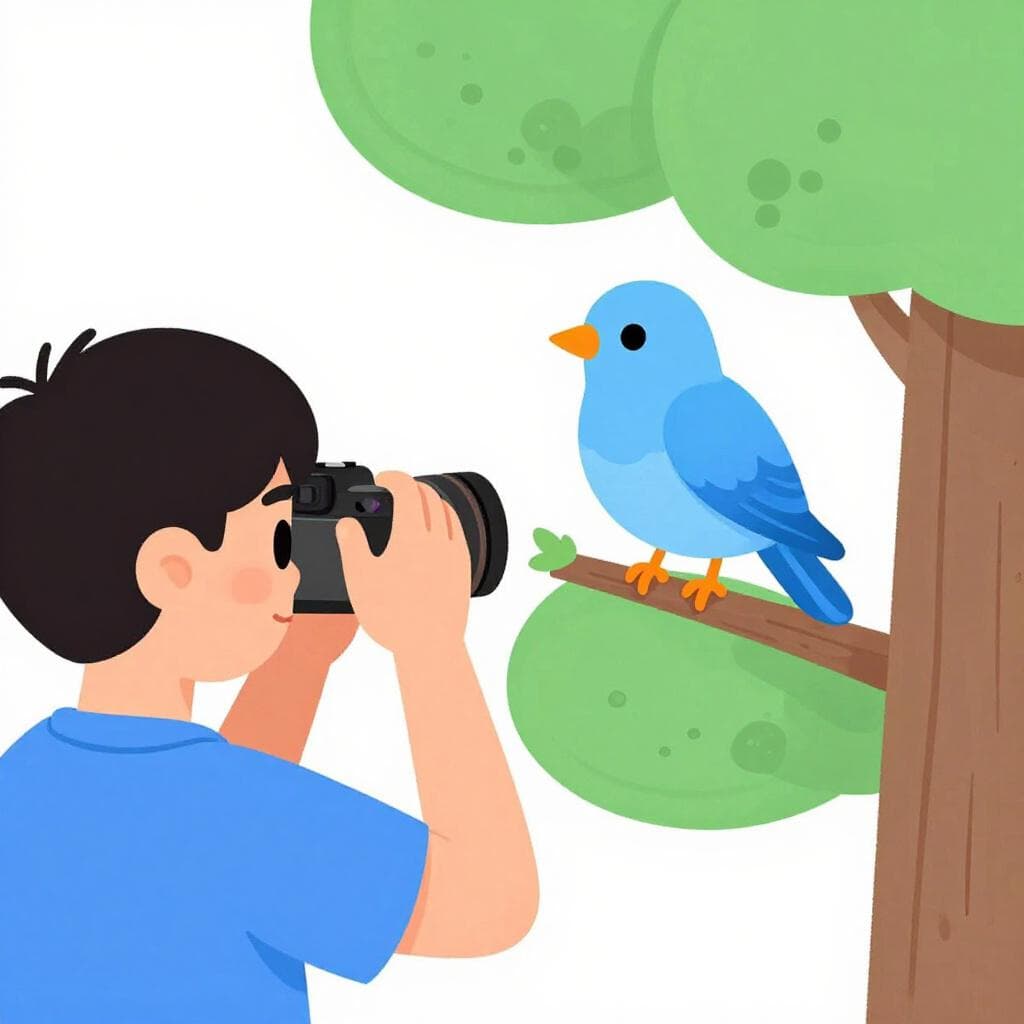
The most common Spanish word for “to photograph” is “fotografiar” — use 'fotografiar' when you want to take a picture of an object, a landscape, or a general scene.
fo-to-gra-fyarfotoɣɾaˈfjaɾ
Examples
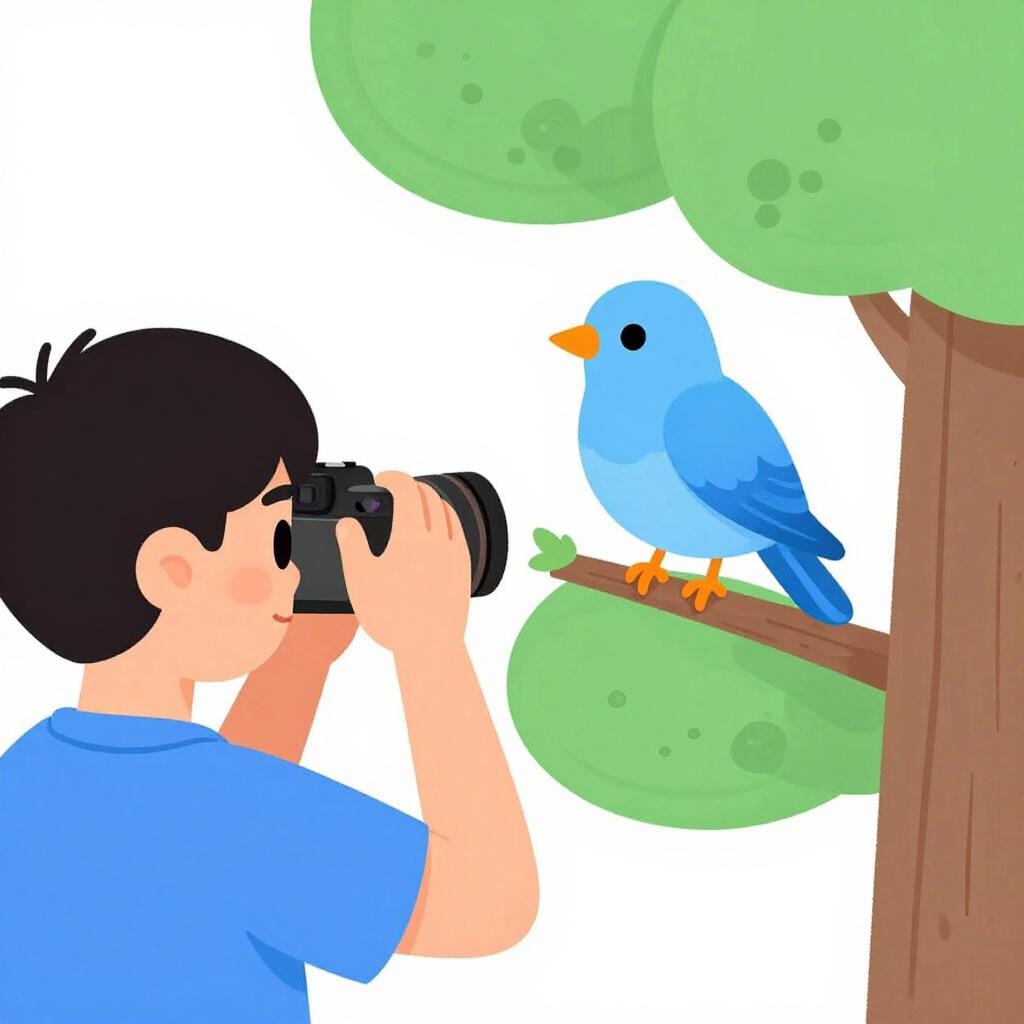
Quiero fotografiar el amanecer mañana.
I want to photograph the sunrise tomorrow.
Él fotografió a los pájaros en el parque.
He photographed the birds in the park.
La cámara es capaz de fotografiar objetos a larga distancia.
The camera is capable of photographing objects at a long distance.
The Stress on the 'i'
Even though it is an -ar verb, when you conjugate it in the present, the letter 'i' gets an accent mark (fotografío) to make sure you pronounce it clearly as a separate sound.
Using the Personal 'a'
If you are photographing a specific person, you must use 'a' before their name. For example: 'Fotografié a María'.
Missing the Accent
Mistake: “Yo fotografio la casa.”
Correction: Yo fotografío la casa. (Don't forget the accent mark on the 'i' in the present tense!)
rre-tra-TARretɾaˈtaɾ
Examples
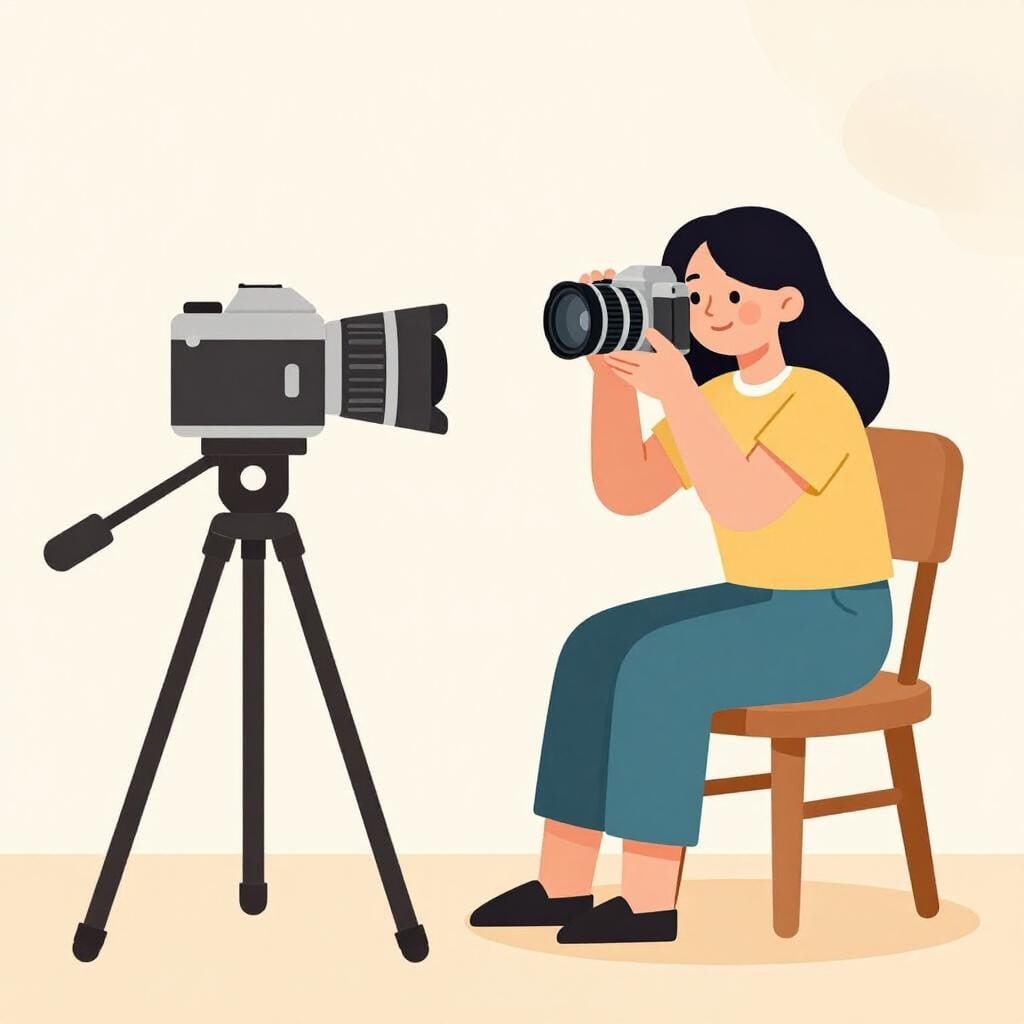
El fotógrafo me retrató ayer en el parque.
The photographer took a portrait of me yesterday in the park.
A Goya le gustaba retratar a la familia real.
Goya liked to paint portraits of the royal family.
No me gusta que me retraten sin avisar.
I don't like being photographed without warning.
Portraits only
Unlike 'sacar una foto', which can be used for anything, 'retratar' is almost exclusively used when the subject is a person.
Using it for scenery
Mistake: “Retraté la montaña durante mi viaje.”
Correction: Saqué una foto de la montaña. Use 'retratar' for people to sound more natural.
General vs. Specific Use
The most common mistake is using 'fotografiar' when you specifically mean to take a portrait of someone. Remember that 'retratar' is the more precise term for capturing a person's likeness.
Related Translations
Learn Spanish with Inklingo
Interactive stories, personalized learning, and more.