How to Say "to retreat" in Spanish
The most common Spanish word for “to retreat” is “refugiar” — use 'refugiar' when you need to find shelter or take refuge in a safe place from danger or bad weather.
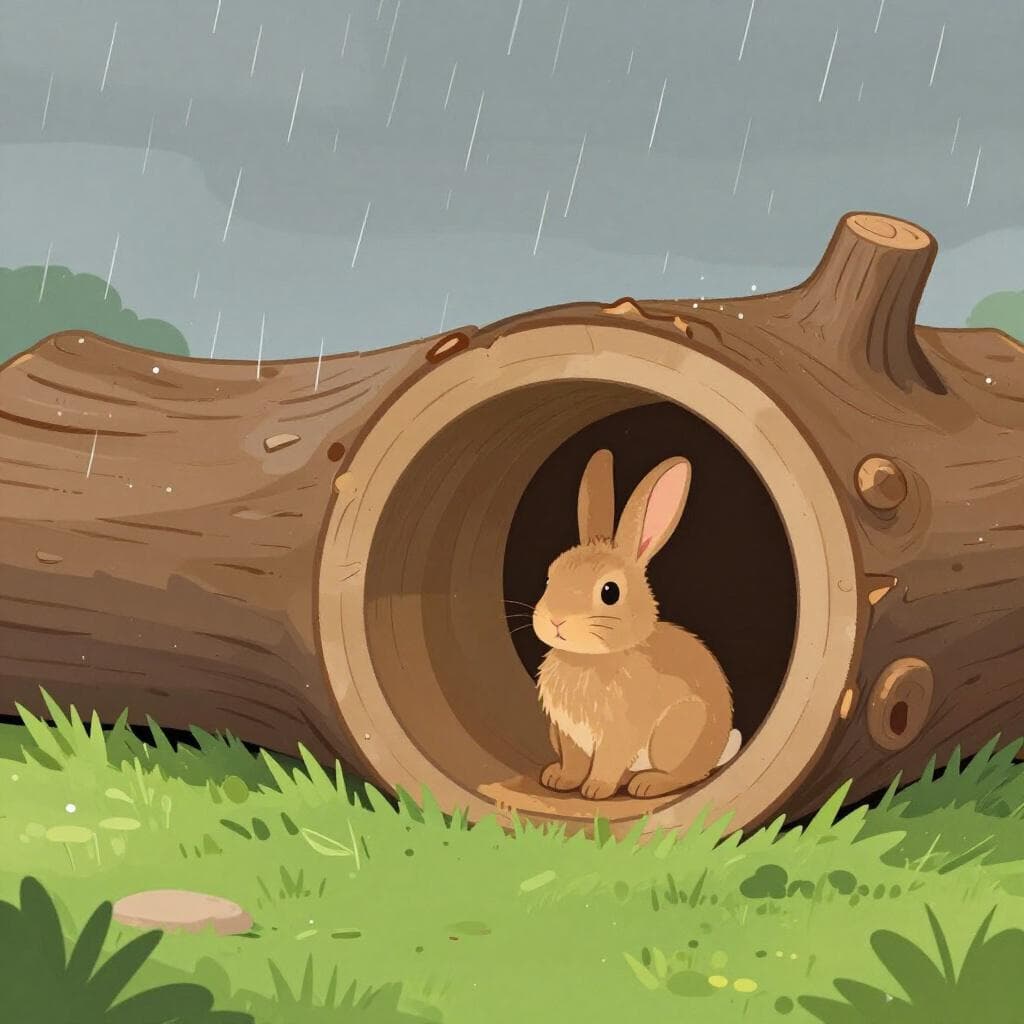
Use 'refugiar' when you need to find shelter or take refuge in a safe place from danger or bad weather.
Learn more →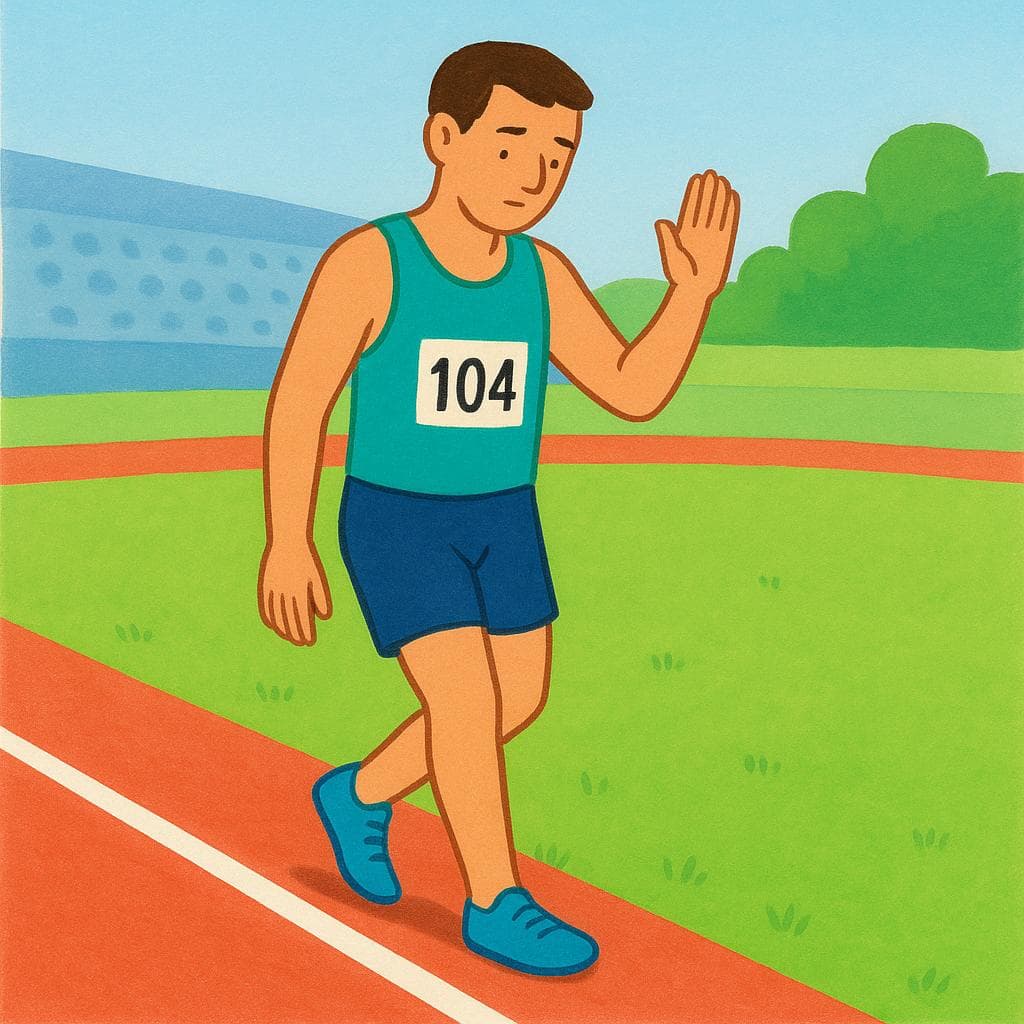
Use 'retirarse' for a physical withdrawal, such as a military movement away from an enemy or a team leaving a competition.
Learn more →
Use 'retroceder' when someone or something is giving up ground, backing down from a stance, or moving backward.
Learn more →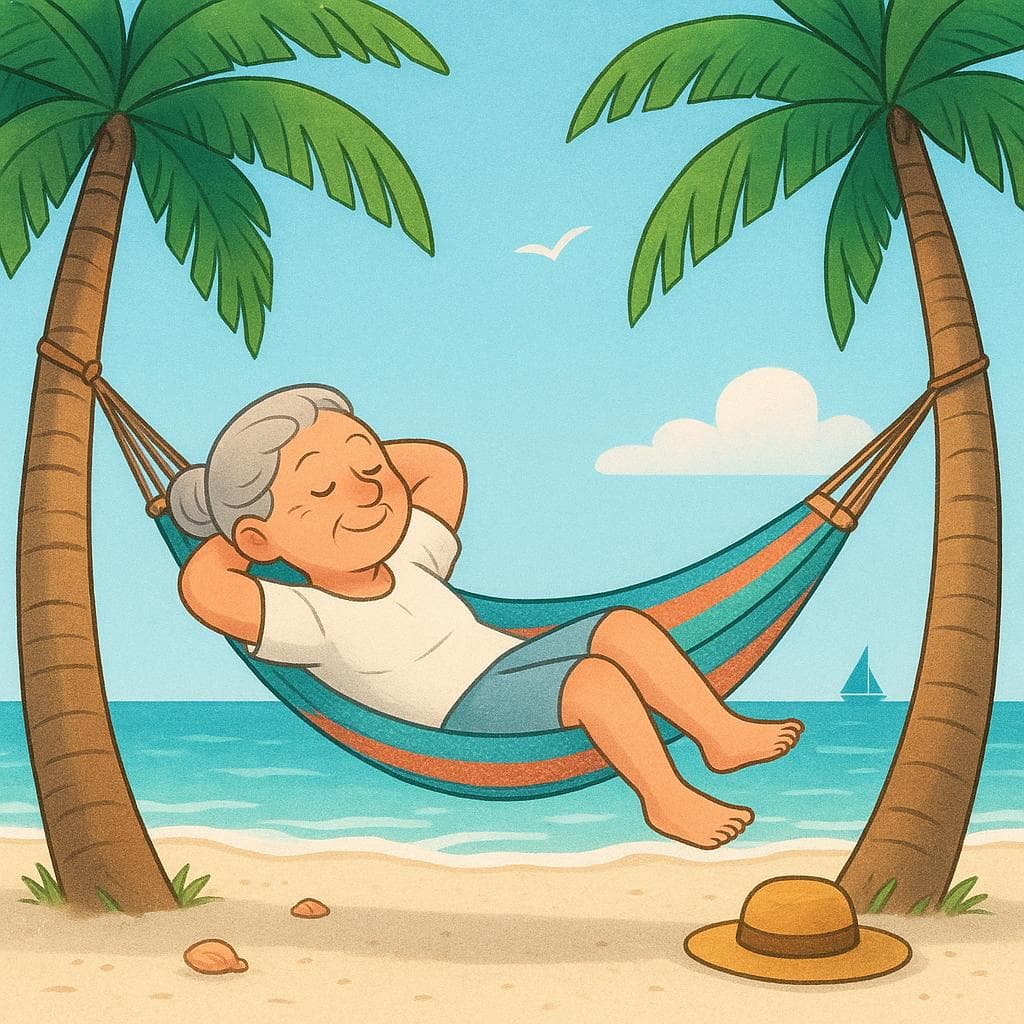
Use 'retirar' (often reflexively as 'retirarse') when ending an activity, like a professional career or withdrawing a product from the market.
Learn more →reh-foo-HYAHRrefuˈxjaɾ
Examples
Tuvimos que refugiarnos en un café porque empezó a llover.
We had to take shelter in a cafe because it started to rain.
Después de un largo día, me refugio en mi habitación a leer.
After a long day, I take refuge in my room to read.
El escalador se refugió en una cueva durante la ventisca.
The climber took shelter in a cave during the blizzard.
Reflexive Pronouns
When taking shelter yourself, remember to match the little pronoun (me, te, se, nos, os, se) to the person doing the action.
reh-tee-RAHR-sehre.tiˈɾaɾ.se
Examples
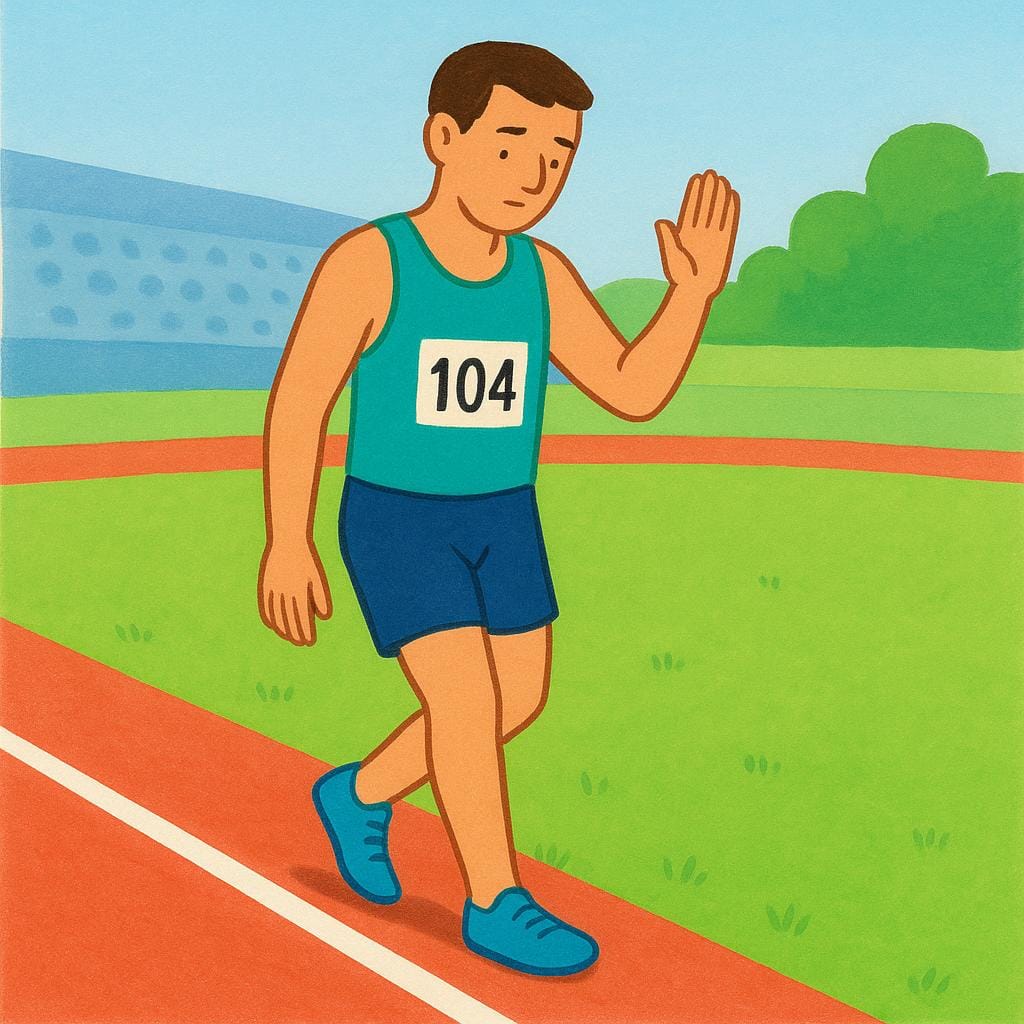
El equipo tuvo que retirarse del torneo debido a las lesiones.
The team had to withdraw from the tournament due to injuries.
Los soldados se retiraron a una posición más segura después del ataque.
The soldiers retreated to a safer position after the attack.
Movement Away
When used for physical movement, 'retirarse' emphasizes moving oneself away from a previous location, often implying a defensive or intentional action.
reh-tro-seh-DEHRretɾoseˈðeɾ

Examples
El gobierno no va a retroceder en su reforma educativa.
The government is not going to back down on its education reform.
Ante las amenazas, el equipo decidió retroceder.
Faced with threats, the team decided to retreat.
reh-tee-RAHRre.tiˈɾaɾ
Examples
El famoso tenista se retiró después de ganar el campeonato.
The famous tennis player retired after winning the championship.
El general ordenó a sus tropas retirarse a la base.
The general ordered his troops to retreat to the base.
Si te retiras de la carrera, no puedes volver a participar.
If you withdraw from the race, you cannot participate again.
Reflexive Use is Key
When talking about ending a career or withdrawing oneself from a situation, you must use the reflexive form 'retirarse,' meaning the person is performing the action on themselves (e.g., 'me retiro', 'se retira').
Forgetting the 'Se'
Mistake: “Saying 'Mi padre retiró' instead of 'Mi padre se retiró.'”
Correction: If the action is 'to retire from work,' you need the little word 'se' before the verb form: 'Mi padre *se* retiró' (My father retired).
Refugiar vs. Retirar/Retirarse
Learners often confuse 'refugiar' (to seek shelter) with 'retirar' or 'retirarse' (to withdraw physically or stop an activity). Remember that 'refugiar' is about finding safety from an external threat, while 'retirar'/'retirarse' involves moving away from a place, competition, or commitment.
Related Translations
Learn Spanish with Inklingo
Interactive stories, personalized learning, and more.