How to Say "to rip" in Spanish
The most common Spanish word for “to rip” is “rasgar” — use 'rasgar' when the tearing is intentional, like deliberately ripping a piece of paper, or if the damage is more about creating a tear or rip without necessarily pulling the object completely apart.
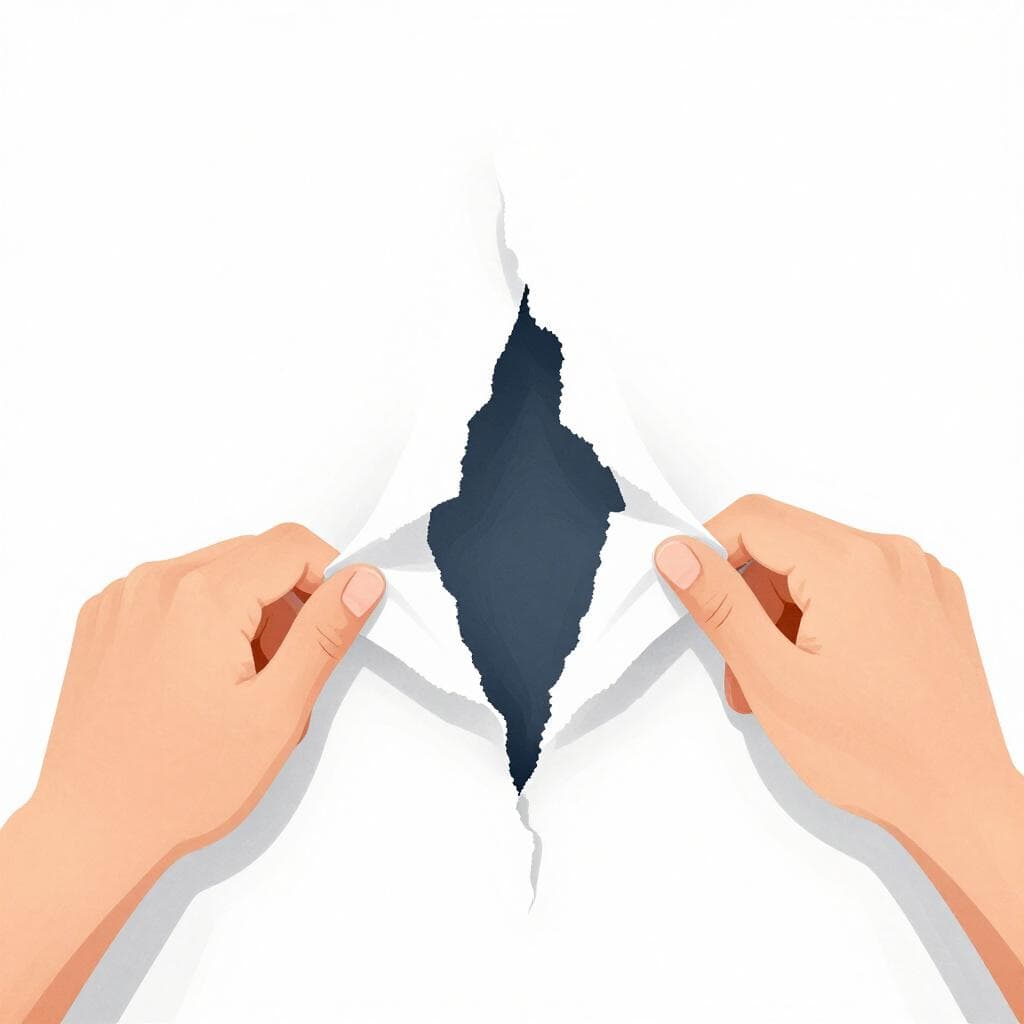

rasgar
ras-GARrasˈɣaɾ

Examples
Ella rasgó la carta en mil pedazos sin leerla.
She tore the letter into a thousand pieces without reading it.
Ten cuidado con ese clavo o vas a rasgar tu camisa.
Be careful with that nail or you're going to rip your shirt.
El gato rasgó las cortinas con sus garras.
The cat ripped the curtains with its claws.
The 'G' to 'GU' Spelling Change
To keep the hard 'g' sound (like in 'game'), you must add a 'u' when the ending starts with an 'e'. This happens in the 'yo' form of the past tense (rasgué) and all present forms of the 'wishes and commands' verb type (subjunctive).
Spelling Error in Past Tense
Mistake: “Yo rasgé el papel.”
Correction: Yo rasgué el papel. (You need the 'u' so it doesn't sound like 'ras-hay'.)
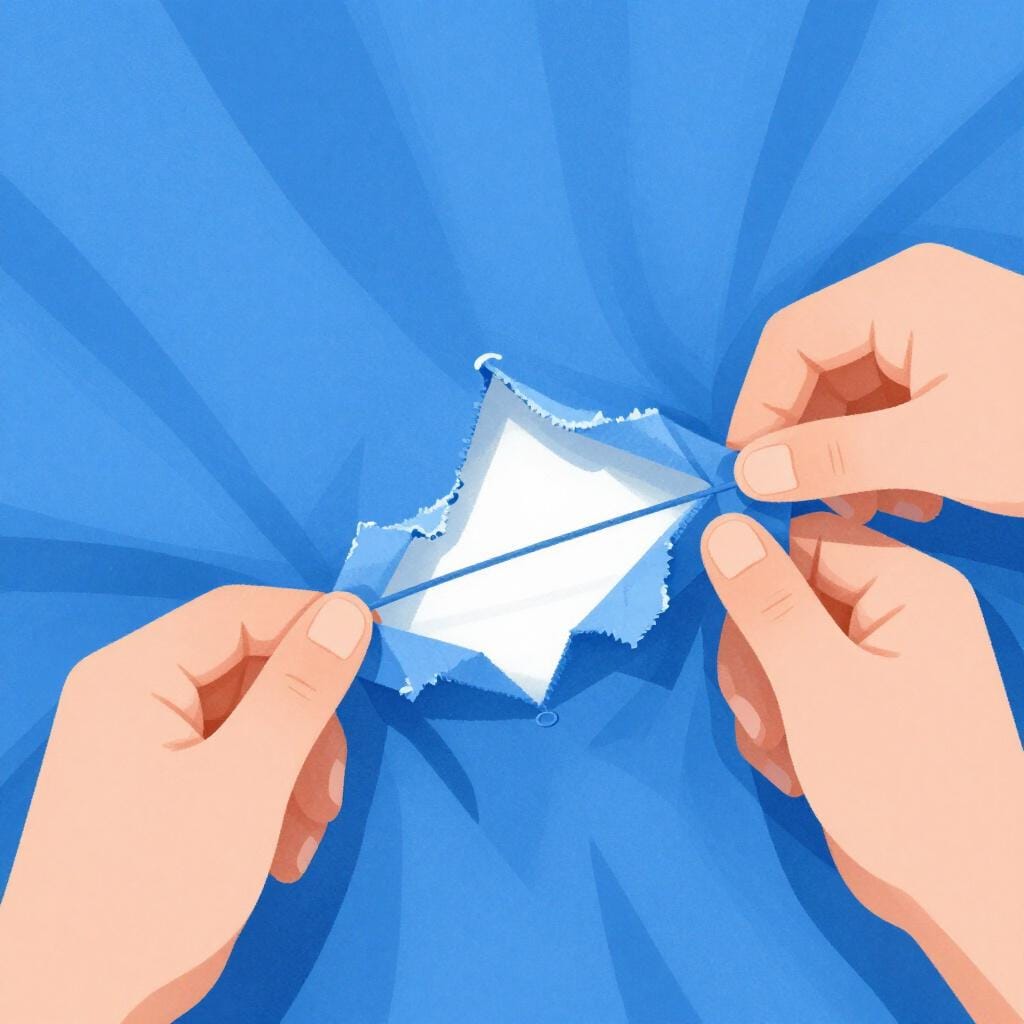
desgarrar
des-gah-RAHRdesɡaˈraɾ
Examples
Ten cuidado con el clavo, puedes desgarrar tu chaqueta.
Be careful with the nail, you might tear your jacket.
El perro desgarró el sofá con sus uñas.
The dog ripped the sofa with its claws.
El atleta se desgarró un músculo durante la carrera.
The athlete tore a muscle during the race.
Using the 'Self' form
When talking about an injury to your own body, use the reflexive form 'desgarrarse' (e.g., 'Me desgarré el brazo').
Desgarrar vs. Romper
Mistake: “Usar 'romper' para un músculo.”
Correction: Use 'desgarrar' for fibers like fabric or muscles, and 'romper' for hard objects like glass or bones.
Intentional vs. Forceful Tearing
Learn Spanish with Inklingo
Interactive stories, personalized learning, and more.