How to Say "traffic jam" in Spanish
The most common Spanish word for “traffic jam” is “cola” — use 'cola' when referring to a long line of vehicles, similar to a queue, whether it's a traffic jam or a line for something else.

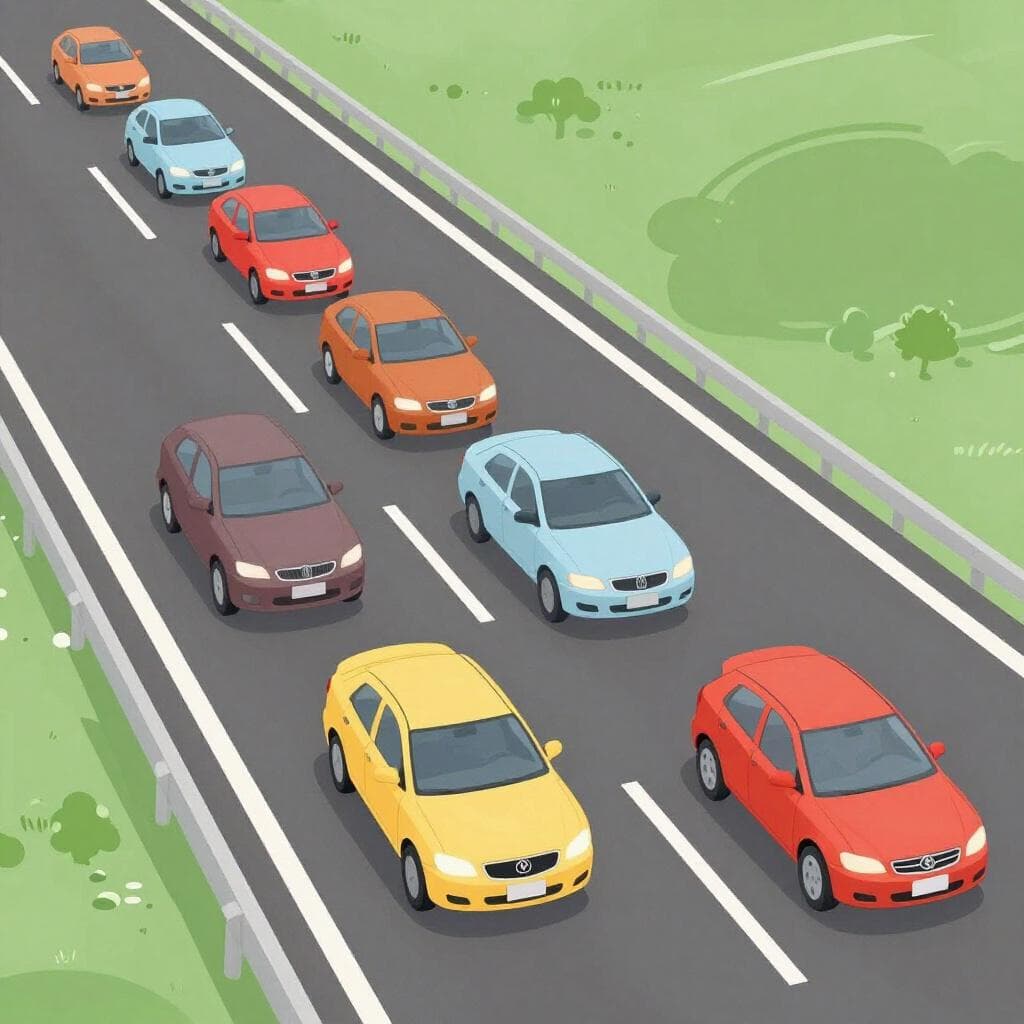

cola
KOH-lahˈko.la

Examples
Había una cola enorme de coches en la autopista.
There was a huge line of cars on the highway.
Había una cola enorme para comprar las entradas del concierto.
There was a huge line to buy the concert tickets.
No me gusta hacer cola en el supermercado.
I don't like waiting in line at the supermarket.
Hay una cola de tres kilómetros en la carretera.
There is a three-kilometer traffic jam on the highway.
Key Verb: Hacer
The most common way to say 'to wait in line' is using the verb 'hacer' (to do/make): 'hacer cola'.
retención
Examples
La lluvia causó una fuerte retención en la M-30.
The rain caused a heavy traffic jam on the M-30.
taco
tah-kohˈtako
Examples
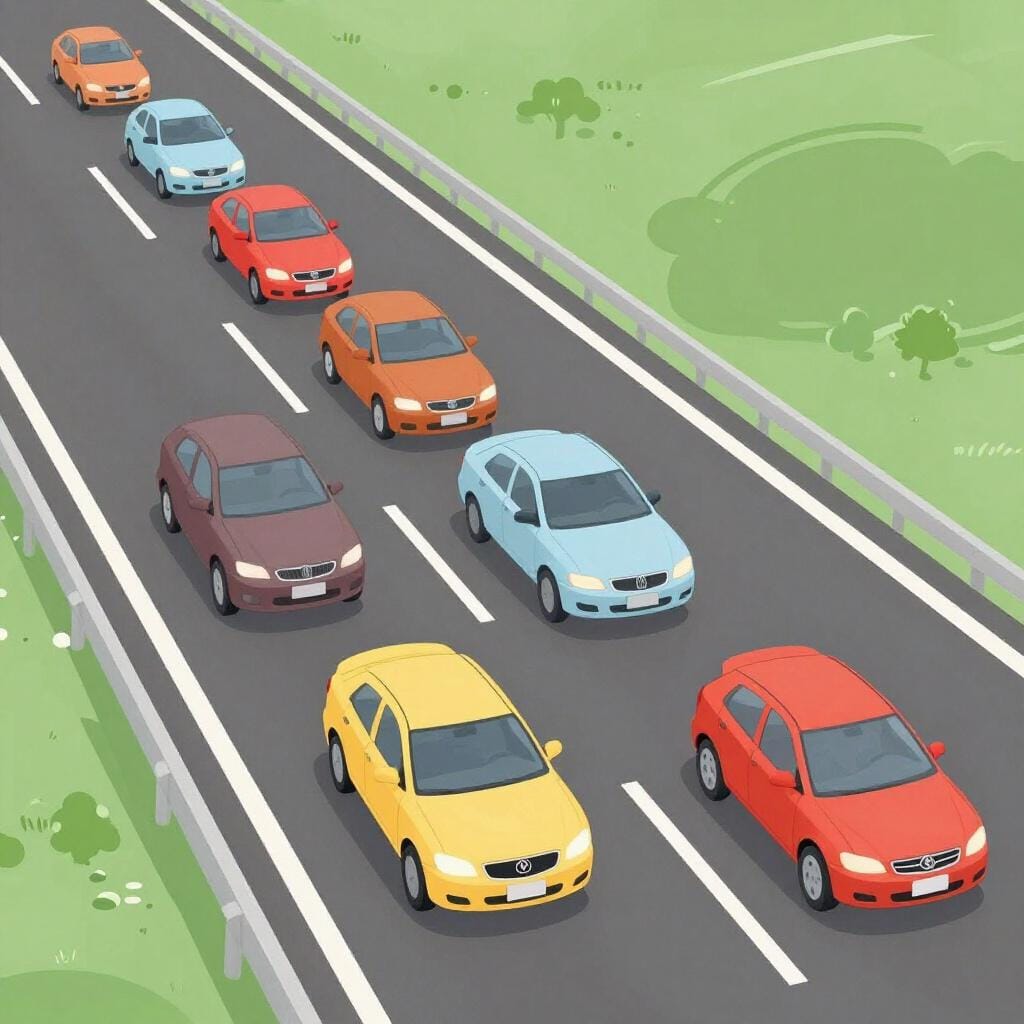
No me puedo mover, ¡esto es un taco!
I can't move, this is a traffic jam!
Llegué tarde por un taco en la avenida principal.
I arrived late because of a traffic jam on the main avenue.
tapón
Examples
Hay un tapón de varios kilómetros en la carretera principal.
There is a several-kilometer traffic jam on the main road.
botella
boh-TEH-yahboˈteʎa

Examples
La obra ha creado una botella monumental.
The construction has created a monumental bottleneck.
Cogimos una botella tremenda cerca de la capital y llegamos tarde.
We hit a tremendous traffic jam near the capital and arrived late.
Se montó una botella grande en la fiesta después de medianoche.
A big drinking session started at the party after midnight.
Confusing 'cola' with specific traffic terms
Learn Spanish with Inklingo
Interactive stories, personalized learning, and more.