How to Say "worrying" in Spanish
The most common Spanish word for “worrying” is “preocupante” — use this when something is causing general concern or anxiety, often related to a situation that needs attention or resolution.
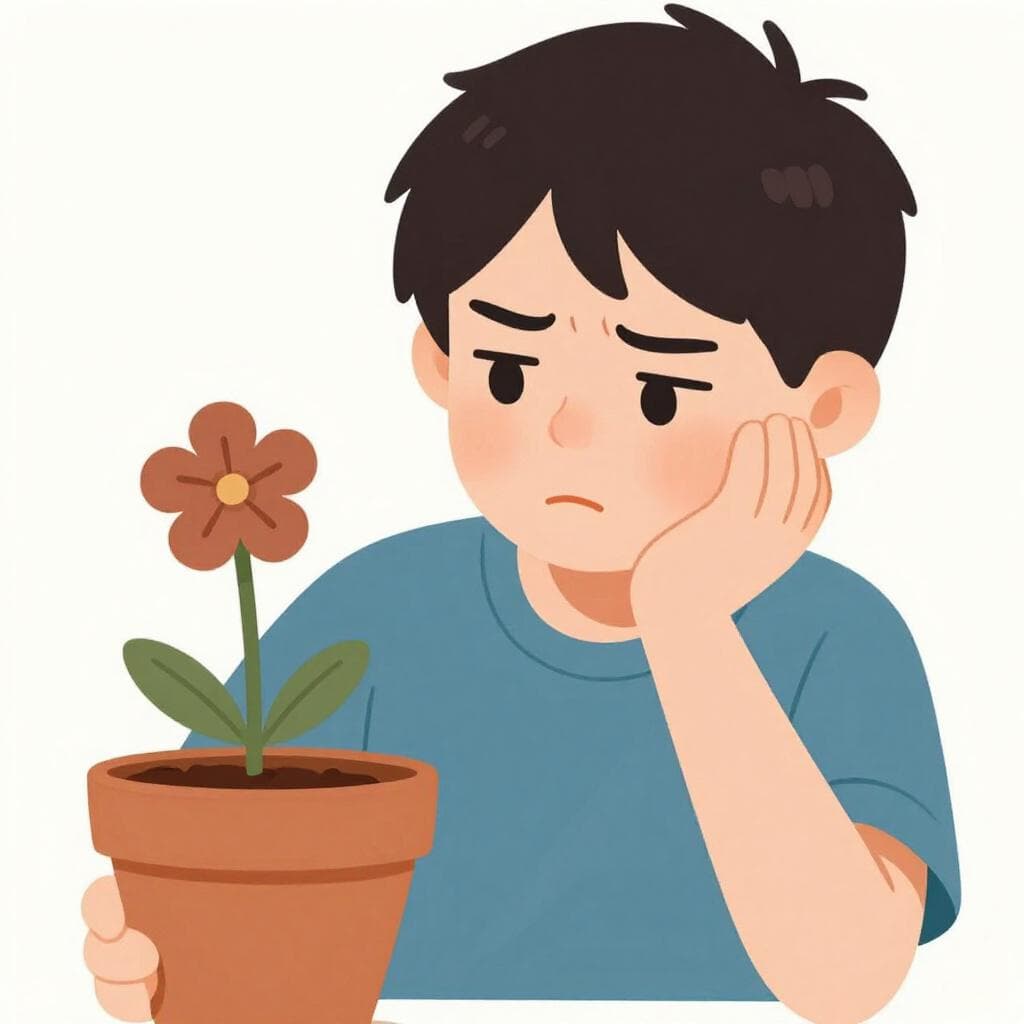


preocupante
preh-oh-koo-PAHN-tehpɾeokuˈpante
Examples
La falta de lluvia es muy preocupante.
The lack of rain is very worrying.
Es preocupante que el nivel del mar siga subiendo.
It is concerning that the sea level continues to rise.
Los médicos dicen que sus síntomas no son preocupantes.
The doctors say that his symptoms are not alarming.
A Word for Everyone
This word doesn't care if the thing it describes is masculine (like 'un problema') or feminine (like 'una situación'). It always stays as 'preocupante'.
The 'Feelings' Connection
When you start a sentence with 'Es preocupante que...' (It's worrying that...), the verb that follows needs to change its form to a 'special version' used for feelings. For example: 'Es preocupante que él no ESTÉ aquí' (It's worrying that he isn't here).
Feeling Worried vs. Being Worrying
Mistake: “Estoy preocupante.”
Correction: Say 'Estoy preocupado' if you are the one feeling the worry. Use 'preocupante' only for the things that *cause* you to worry, like 'El examen es preocupante'.
alarmante
ah-lar-MAHN-tehalaɾˈmante

Examples
Las noticias de hoy son alarmantes.
Today's news is alarming.
Hay un aumento alarmante de la contaminación en la ciudad.
There is an alarming increase in pollution in the city.
La falta de agua ha llegado a un nivel alarmante.
The lack of water has reached an alarming level.
One word for both genders
This word ends in -e, which means it doesn't change for 'boy' or 'girl' words. You can say 'un dato alarmante' or 'una noticia alarmante' without changing the ending.
Adding emphasis with position
In Spanish, putting this word after the noun (like 'situación alarmante') makes it sound more objective and factual, which is how it's used most often.
Gender confusion
Mistake: “La situación es alarmanta.”
Correction: La situación es alarmante. (Words ending in -e are neutral and don't change to -a for feminine nouns.)
inquietante
een-kyet-AHN-tehinkjeˈtante

Examples
Había un silencio inquietante en toda la casa.
There was a disturbing silence throughout the house.
La película tiene un final muy inquietante que te hace pensar.
The movie has a very unsettling ending that makes you think.
Notamos un parecido inquietante entre los dos extraños.
We noticed an uncanny (disturbing) resemblance between the two strangers.
One Form for All
This word ends in -e, which means it doesn't change for men or women. You can use it with 'el' or 'la' without changing the ending.
Placement for Emphasis
Usually, you put this word after the person or thing you are describing, like 'una noticia inquietante'.
Changing the Ending
Mistake: “La situación es inquietanta.”
Correction: La situación es inquietante. Even though 'situación' is feminine, words ending in -e don't change to -a.
Preocupante vs. Alarmante
Related Translations
Learn Spanish with Inklingo
Interactive stories, personalized learning, and more.