Koniugacja husmear Tryb warunkowy
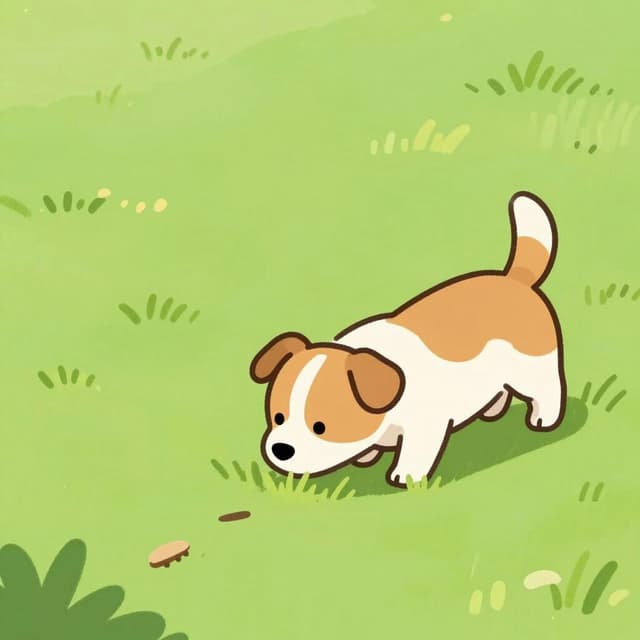
husmear — to sniff
The conditional of husmear is regular: husmearía, husmearías, husmearía, husmaríamos, husmaríais, husmarían.
Formy husmear Tryb warunkowy
Kiedy używać Tryb warunkowy
Use the conditional of 'husmear' for hypothetical situations ('I would sniff...') or polite requests ('Would you sniff...?'). For example, 'Yo husmearía el aire para saber qué es' (I would sniff the air to know what it is) or a polite suggestion: '¿Podrías husmear esa caja?' (Could you sniff that box?).
Uwagi dotyczące husmear w czasie Tryb warunkowy
Husmear is regular in the conditional tense. The stem is the infinitive 'husmear', and you add the standard conditional endings.
Przykładowe zdania
Yo husmearía la mochila si tuviera dudas.
I would sniff the backpack if I had doubts.
yo
¿Tú husmearías la comida antes de dársela al perro?
Would you sniff the food before giving it to the dog?
tú
Él husmearía el paquete con mucho cuidado.
He would sniff the package very carefully.
él/ella/usted
Nosotros husmearíamos el lugar si fuera necesario.
We would sniff the place if it were necessary.
nosotros
Ellos husmearían la habitación entera.
They would sniff the entire room.
ellos/ellas/ustedes
Częste błędy
Błąd: Using the imperfect ('husmeaba') instead of the conditional ('husmearía') for hypotheticals.
Poprawnie: For 'would do' scenarios, use the conditional: 'Yo husmearía si pudiera'.
Dlaczego: The conditional expresses hypothetical outcomes, while the imperfect describes past ongoing states or habits.
Błąd: Confusing the conditional ('husmearía') with the imperfect subjunctive ('husmeara').
Poprawnie: Remember that 'husmearía' is for 'would sniff' and 'husmeara' is for 'if I/he/she/it sniffed' or 'I wish I/he/she/it would sniff'.
Dlaczego: Both deal with non-factual situations, but the conditional focuses on the outcome ('would'), while the imperfect subjunctive focuses on the condition or wish.
Opanuj hiszpańskie czasowniki w kontekście
Zapamiętywanie tabel to dopiero początek. Przeczytaj ponad 200 ilustrowanych i udźwiękowionych hiszpańskich historii, aby zobaczyć czasowniki takie jak 'husmear' używane naturalnie — w czasach, których się uczysz.
Powiązane czasy
Czas teraźniejszy
yo: husmeo
Husmear is regular in the present: husmeo, husmeas, husmea, husmeamos, husmeáis, husmean.
Czas przeszły prosty
yo: husmeé
Husmear is regular in the preterite: husmeé, husmeaste, husmeó, husmeamos, husmeasteis, husmearon.
Czas przeszły niedokonany
yo: husmeaba
Husmear is regular in the imperfect: husmeaba, husmeabas, husmeaba, husmeábamos, husmeabais, husmeaban.
Czas przyszły
yo: husmearé
The future of husmear is regular: husmearé, husmearás, husmeará, husmearemos, husmearéis, husmearán.
Tryb Subj. teraźniejszy
yo: husmee
Use forms like 'husmee' or 'husmeen' after expressions of desire, doubt, or emotion.
Tryb Subj. przeszły niedokonany
yo: husmeara
Use forms like 'husmeara' or 'husmeara' for past hypothetical situations or wishes related to 'husmear'.
Tryb rozkazujący (twierdzący)
yo: husmea
Use imperative forms like 'husmea' (tú) and 'husmee' (usted) for direct commands with 'husmear'.
Tryb rozkazujący (przeczący)
yo: no husmees
Use 'no husmees' (tú) or 'no husmee' (usted) for negative commands based on the present subjunctive.