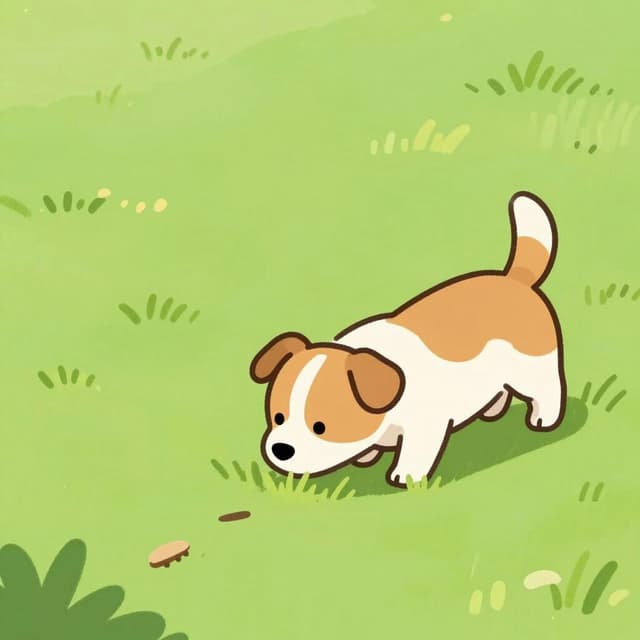
Koniugacja husmear Czas przyszły
husmear — to sniff
The future of husmear is regular: husmearé, husmearás, husmeará, husmearemos, husmearéis, husmearán.
Formy husmear Czas przyszły
Kiedy używać Czas przyszły
Use the future tense to talk about actions of sniffing that *will* happen. It's straightforward: 'Mañana husmearé la caja' (Tomorrow I will sniff the box) or to express probability: 'Husmeará por ahí' (He's probably sniffing around there).
Uwagi dotyczące husmear w czasie Czas przyszły
Husmear is regular in the future tense. The stem is the infinitive 'husmear', and you add the standard future endings.
Przykładowe zdania
Yo husmearé el nuevo perfume.
I will sniff the new perfume.
yo
¿Tú husmearás si te doy permiso?
Will you sniff if I give you permission?
tú
Él husmeará la escena del crimen.
He will sniff the crime scene.
él/ella/usted
Nosotros husmearemos el camino.
We will sniff the path.
nosotros
Ellos husmearán la entrada.
They will sniff the entrance.
ellos/ellas/ustedes
Częste błędy
Błąd: Using the present tense ('husmeo') instead of the future ('husmearé') for a future action.
Poprawnie: For definite future actions, use the future tense: 'Yo husmearé la planta'.
Dlaczego: The present tense usually refers to current or habitual actions; the future tense is specifically for what will happen.
Błąd: Forgetting the accents on the future endings, especially for 'yo' and 'tú'.
Poprawnie: Remember the accents: 'husmearé' (yo), 'husmearás' (tú).
Dlaczego: These accents are part of the correct future tense endings.
Opanuj hiszpańskie czasowniki w kontekście
Zapamiętywanie tabel to dopiero początek. Przeczytaj ponad 200 ilustrowanych i udźwiękowionych hiszpańskich historii, aby zobaczyć czasowniki takie jak 'husmear' używane naturalnie — w czasach, których się uczysz.
Powiązane czasy
Czas teraźniejszy
yo: husmeo
Husmear is regular in the present: husmeo, husmeas, husmea, husmeamos, husmeáis, husmean.
Czas przeszły prosty
yo: husmeé
Husmear is regular in the preterite: husmeé, husmeaste, husmeó, husmeamos, husmeasteis, husmearon.
Czas przeszły niedokonany
yo: husmeaba
Husmear is regular in the imperfect: husmeaba, husmeabas, husmeaba, husmeábamos, husmeabais, husmeaban.
Tryb warunkowy
yo: husmearía
The conditional of husmear is regular: husmearía, husmearías, husmearía, husmaríamos, husmaríais, husmarían.
Tryb Subj. teraźniejszy
yo: husmee
Use forms like 'husmee' or 'husmeen' after expressions of desire, doubt, or emotion.
Tryb Subj. przeszły niedokonany
yo: husmeara
Use forms like 'husmeara' or 'husmeara' for past hypothetical situations or wishes related to 'husmear'.
Tryb rozkazujący (twierdzący)
yo: husmea
Use imperative forms like 'husmea' (tú) and 'husmee' (usted) for direct commands with 'husmear'.
Tryb rozkazujący (przeczący)
yo: no husmees
Use 'no husmees' (tú) or 'no husmee' (usted) for negative commands based on the present subjunctive.