Koniugacja husmear Tryb Subj. teraźniejszy
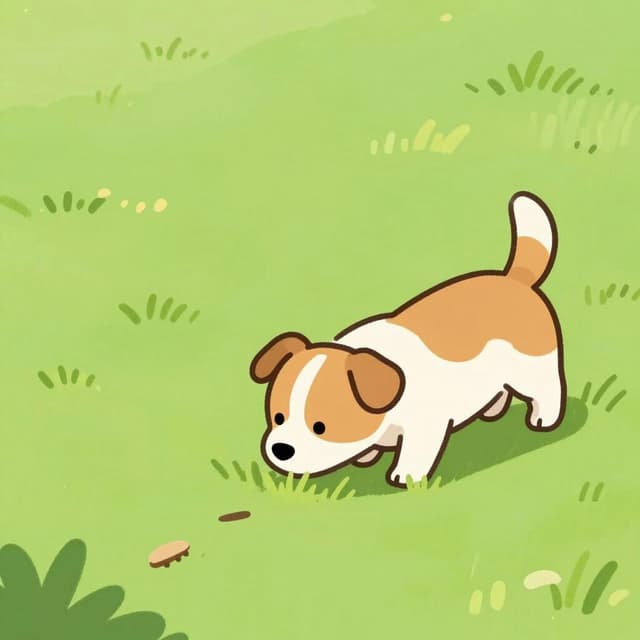
husmear — to sniff
Use forms like 'husmee' or 'husmeen' after expressions of desire, doubt, or emotion.
Formy husmear Tryb Subj. teraźniejszy
Kiedy używać Tryb Subj. teraźniejszy
This tense pops up when you express wishes, doubts, emotions, or uncertainty about someone else performing the action of 'husmear'. For example, 'Espero que husmees la verdad' (I hope you sniff out the truth) or 'Dudo que husmeen algo interesante' (I doubt they'll sniff out anything interesting).
Uwagi dotyczące husmear w czasie Tryb Subj. teraźniejszy
Husmear is regular in the present subjunctive. The forms are derived from the 'yo' form of the present indicative ('husmeo').
Przykładowe zdania
Quiero que husmees el pastel antes de comprarlo.
I want you to sniff the cake before buying it.
tú
Es importante que usted husmee la situación.
It's important that you sniff out the situation.
Dudamos que ellos husmeen la trampa.
We doubt they'll sniff out the trap.
ellos/ellas/ustedes
Me alegra que tú husmees bien.
I'm happy that you sniff well.
tú
Częste błędy
Błąd: Using the present indicative ('husmeas') instead of the present subjunctive ('husmees').
Poprawnie: After verbs like 'esperar', 'querer', 'dudar', use the present subjunctive: 'Espero que husmees'.
Dlaczego: These trigger verbs indicate subjectivity and require the subjunctive mood.
Błąd: Forgetting the 'yo' form 'husmee' is the same as the 'usted' form.
Poprawnie: Be mindful that 'yo husmee' and 'usted husmee' look identical. Context or explicit pronouns are key.
Dlaczego: The first-person singular and third-person singular forms are the same in this tense for this verb.
Opanuj hiszpańskie czasowniki w kontekście
Zapamiętywanie tabel to dopiero początek. Przeczytaj ponad 200 ilustrowanych i udźwiękowionych hiszpańskich historii, aby zobaczyć czasowniki takie jak 'husmear' używane naturalnie — w czasach, których się uczysz.
Powiązane czasy
Czas teraźniejszy
yo: husmeo
Husmear is regular in the present: husmeo, husmeas, husmea, husmeamos, husmeáis, husmean.
Czas przeszły prosty
yo: husmeé
Husmear is regular in the preterite: husmeé, husmeaste, husmeó, husmeamos, husmeasteis, husmearon.
Czas przeszły niedokonany
yo: husmeaba
Husmear is regular in the imperfect: husmeaba, husmeabas, husmeaba, husmeábamos, husmeabais, husmeaban.
Czas przyszły
yo: husmearé
The future of husmear is regular: husmearé, husmearás, husmeará, husmearemos, husmearéis, husmearán.
Tryb warunkowy
yo: husmearía
The conditional of husmear is regular: husmearía, husmearías, husmearía, husmaríamos, husmaríais, husmarían.
Tryb Subj. przeszły niedokonany
yo: husmeara
Use forms like 'husmeara' or 'husmeara' for past hypothetical situations or wishes related to 'husmear'.
Tryb rozkazujący (twierdzący)
yo: husmea
Use imperative forms like 'husmea' (tú) and 'husmee' (usted) for direct commands with 'husmear'.
Tryb rozkazujący (przeczący)
yo: no husmees
Use 'no husmees' (tú) or 'no husmee' (usted) for negative commands based on the present subjunctive.