Koniugacja husmear Czas teraźniejszy
husmear — to sniff
Husmear is regular in the present: husmeo, husmeas, husmea, husmeamos, husmeáis, husmean.
Formy husmear Czas teraźniejszy
Kiedy używać Czas teraźniejszy
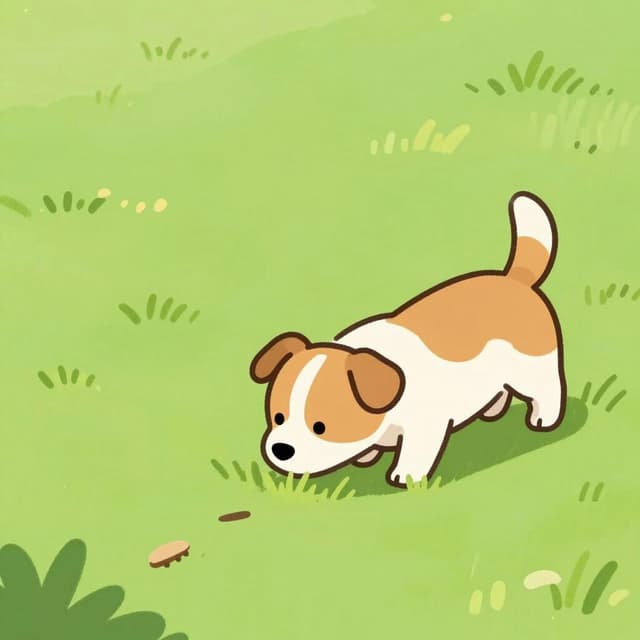
Use the present tense of 'husmear' for actions happening right now ('El perro husmea el suelo' - The dog is sniffing the ground) or for habitual actions ('Mi gato siempre husmea la comida nueva' - My cat always sniffs new food). It can also state general truths.
Uwagi dotyczące husmear w czasie Czas teraźniejszy
Husmear is regular in the present tense, following the standard -ar verb pattern.
Przykładowe zdania
Yo husmeo las flores en el jardín.
I sniff the flowers in the garden.
yo
¿Tú husmeas todo lo que compras?
Do you sniff everything you buy?
tú
El bebé husmea sus juguetes.
The baby sniffs his toys.
él/ella/usted
Nosotros husmeamos el aire cuando algo huele raro.
We sniff the air when something smells strange.
nosotros
Ellos husmean alrededor de la mesa.
They sniff around the table.
ellos/ellas/ustedes
Częste błędy
Błąd: Using 'estar' + gerund ('está husmeando') for simple present actions.
Poprawnie: For general habits or statements, use the simple present: 'Ella husmea el café'.
Dlaczego: While 'estar' + gerund is used for actions in progress, the simple present covers habitual actions and general descriptions.
Błąd: Incorrectly conjugating the 'vosotros' form, like 'husmean' instead of 'husmeáis'.
Poprawnie: Remember the vosotros ending: 'husmeáis'.
Dlaczego: The vosotros form has a specific ending that learners often forget.
Opanuj hiszpańskie czasowniki w kontekście
Zapamiętywanie tabel to dopiero początek. Przeczytaj ponad 200 ilustrowanych i udźwiękowionych hiszpańskich historii, aby zobaczyć czasowniki takie jak 'husmear' używane naturalnie — w czasach, których się uczysz.
Powiązane czasy
Czas przeszły prosty
yo: husmeé
Husmear is regular in the preterite: husmeé, husmeaste, husmeó, husmeamos, husmeasteis, husmearon.
Czas przeszły niedokonany
yo: husmeaba
Husmear is regular in the imperfect: husmeaba, husmeabas, husmeaba, husmeábamos, husmeabais, husmeaban.
Czas przyszły
yo: husmearé
The future of husmear is regular: husmearé, husmearás, husmeará, husmearemos, husmearéis, husmearán.
Tryb warunkowy
yo: husmearía
The conditional of husmear is regular: husmearía, husmearías, husmearía, husmaríamos, husmaríais, husmarían.
Tryb Subj. teraźniejszy
yo: husmee
Use forms like 'husmee' or 'husmeen' after expressions of desire, doubt, or emotion.
Tryb Subj. przeszły niedokonany
yo: husmeara
Use forms like 'husmeara' or 'husmeara' for past hypothetical situations or wishes related to 'husmear'.
Tryb rozkazujący (twierdzący)
yo: husmea
Use imperative forms like 'husmea' (tú) and 'husmee' (usted) for direct commands with 'husmear'.
Tryb rozkazujący (przeczący)
yo: no husmees
Use 'no husmees' (tú) or 'no husmee' (usted) for negative commands based on the present subjunctive.