Koniugacja husmear Czas przeszły prosty
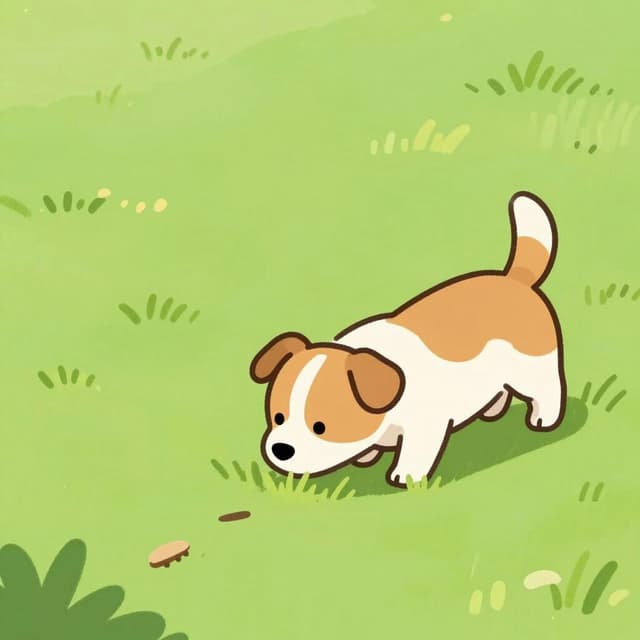
husmear — to sniff
Husmear is regular in the preterite: husmeé, husmeaste, husmeó, husmeamos, husmeasteis, husmearon.
Formy husmear Czas przeszły prosty
Kiedy używać Czas przeszły prosty
Use the preterite of 'husmear' for a completed sniffing action in the past. Think of a detective completing their search: 'El perro husmeó toda la casa' (The dog sniffed the whole house) or a specific instance: 'Husmeé el aire en busca de humo' (I sniffed the air for smoke).
Uwagi dotyczące husmear w czasie Czas przeszły prosty
Husmear is a regular -ar verb, so its preterite conjugations follow the standard pattern.
Przykładowe zdania
Yo husmeé el paquete sospechoso.
I sniffed the suspicious package.
yo
¿Tú husmeaste la comida antes de servirla?
Did you sniff the food before serving it?
tú
Ella husmeó el ramo de flores.
She sniffed the bouquet of flowers.
él/ella/usted
Nosotros husmeamos la escena del crimen.
We sniffed the crime scene.
nosotros
Ellos husmearon por toda la tienda.
They sniffed all over the store.
ellos/ellas/ustedes
Częste błędy
Błąd: Using the imperfect 'husmeaba' instead of the preterite 'husmeó' for a single completed action.
Poprawnie: For a specific, finished act of sniffing, use the preterite: 'El gato husmeó el ratón' (The cat sniffed the mouse).
Dlaczego: The imperfect describes ongoing or habitual past actions, while the preterite marks a completed event.
Błąd: Missing the accent on 'husmeó' (él/ella/usted) or 'husmeé' (yo).
Poprawnie: Remember the accent marks: 'él husmeó', 'yo husmeé'.
Dlaczego: These accents are crucial for pronunciation and distinguishing these forms.
Opanuj hiszpańskie czasowniki w kontekście
Zapamiętywanie tabel to dopiero początek. Przeczytaj ponad 200 ilustrowanych i udźwiękowionych hiszpańskich historii, aby zobaczyć czasowniki takie jak 'husmear' używane naturalnie — w czasach, których się uczysz.
Powiązane czasy
Czas teraźniejszy
yo: husmeo
Husmear is regular in the present: husmeo, husmeas, husmea, husmeamos, husmeáis, husmean.
Czas przeszły niedokonany
yo: husmeaba
Husmear is regular in the imperfect: husmeaba, husmeabas, husmeaba, husmeábamos, husmeabais, husmeaban.
Czas przyszły
yo: husmearé
The future of husmear is regular: husmearé, husmearás, husmeará, husmearemos, husmearéis, husmearán.
Tryb warunkowy
yo: husmearía
The conditional of husmear is regular: husmearía, husmearías, husmearía, husmaríamos, husmaríais, husmarían.
Tryb Subj. teraźniejszy
yo: husmee
Use forms like 'husmee' or 'husmeen' after expressions of desire, doubt, or emotion.
Tryb Subj. przeszły niedokonany
yo: husmeara
Use forms like 'husmeara' or 'husmeara' for past hypothetical situations or wishes related to 'husmear'.
Tryb rozkazujący (twierdzący)
yo: husmea
Use imperative forms like 'husmea' (tú) and 'husmee' (usted) for direct commands with 'husmear'.
Tryb rozkazujący (przeczący)
yo: no husmees
Use 'no husmees' (tú) or 'no husmee' (usted) for negative commands based on the present subjunctive.