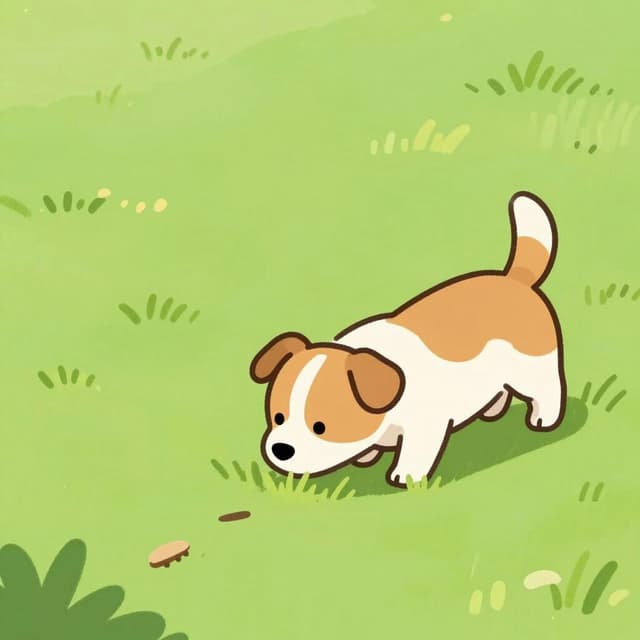
Koniugacja husmear Tryb Subj. przeszły niedokonany
husmear — to sniff
Use forms like 'husmeara' or 'husmeara' for past hypothetical situations or wishes related to 'husmear'.
Formy husmear Tryb Subj. przeszły niedokonany
Kiedy używać Tryb Subj. przeszły niedokonany
This tense is great for talking about past 'what ifs' or unlikely scenarios involving sniffing. For example, 'Si yo pudiera husmear como un perro, encontraría el tesoro' (If I could sniff like a dog, I would find the treasure). It's also used after certain past expressions of doubt or desire.
Uwagi dotyczące husmear w czasie Tryb Subj. przeszły niedokonany
Husmear is regular in the imperfect subjunctive. Both the -ra and -se forms are correct, but the -ra form is generally more common.
Przykładowe zdania
Ojalá él husmeara la verdad en esa historia.
I wish he could sniff out the truth in that story.
él/ella/usted
Si yo husmeara tan bien como tú, ya habría encontrado las llaves.
If I sniffed as well as you, I would have already found the keys.
yo
Dudaba que ellos husmearan el peligro.
I doubted they would sniff out the danger.
ellos/ellas/ustedes
Me gustaría que vosotros husmearais la solución.
I would like you all to sniff out the solution.
vosotros
Częste błędy
Błąd: Using the imperfect indicative ('husmeaba') instead of the imperfect subjunctive ('husmeara').
Poprawnie: In hypothetical clauses starting with 'si' (if) or after verbs of doubt/desire in the past, use 'husmeara' or 'husmeara'.
Dlaczego: The subjunctive mood is required for non-factual or hypothetical situations.
Błąd: Confusing the -ra and -se endings.
Poprawnie: Both 'husmeara' and 'husmeara' are correct, as are 'husmearas' and 'husmearas'. Stick to one set if you prefer, but know both exist.
Dlaczego: Spanish offers two sets of endings for the imperfect subjunctive, which can be confusing for learners.
Opanuj hiszpańskie czasowniki w kontekście
Zapamiętywanie tabel to dopiero początek. Przeczytaj ponad 200 ilustrowanych i udźwiękowionych hiszpańskich historii, aby zobaczyć czasowniki takie jak 'husmear' używane naturalnie — w czasach, których się uczysz.
Powiązane czasy
Czas teraźniejszy
yo: husmeo
Husmear is regular in the present: husmeo, husmeas, husmea, husmeamos, husmeáis, husmean.
Czas przeszły prosty
yo: husmeé
Husmear is regular in the preterite: husmeé, husmeaste, husmeó, husmeamos, husmeasteis, husmearon.
Czas przeszły niedokonany
yo: husmeaba
Husmear is regular in the imperfect: husmeaba, husmeabas, husmeaba, husmeábamos, husmeabais, husmeaban.
Czas przyszły
yo: husmearé
The future of husmear is regular: husmearé, husmearás, husmeará, husmearemos, husmearéis, husmearán.
Tryb warunkowy
yo: husmearía
The conditional of husmear is regular: husmearía, husmearías, husmearía, husmaríamos, husmaríais, husmarían.
Tryb Subj. teraźniejszy
yo: husmee
Use forms like 'husmee' or 'husmeen' after expressions of desire, doubt, or emotion.
Tryb rozkazujący (twierdzący)
yo: husmea
Use imperative forms like 'husmea' (tú) and 'husmee' (usted) for direct commands with 'husmear'.
Tryb rozkazujący (przeczący)
yo: no husmees
Use 'no husmees' (tú) or 'no husmee' (usted) for negative commands based on the present subjunctive.