Koniugacja husmear Tryb rozkazujący (twierdzący)
husmear — to sniff
Use imperative forms like 'husmea' (tú) and 'husmee' (usted) for direct commands with 'husmear'.
Formy husmear Tryb rozkazujący (twierdzący)
Kiedy używać Tryb rozkazujący (twierdzący)
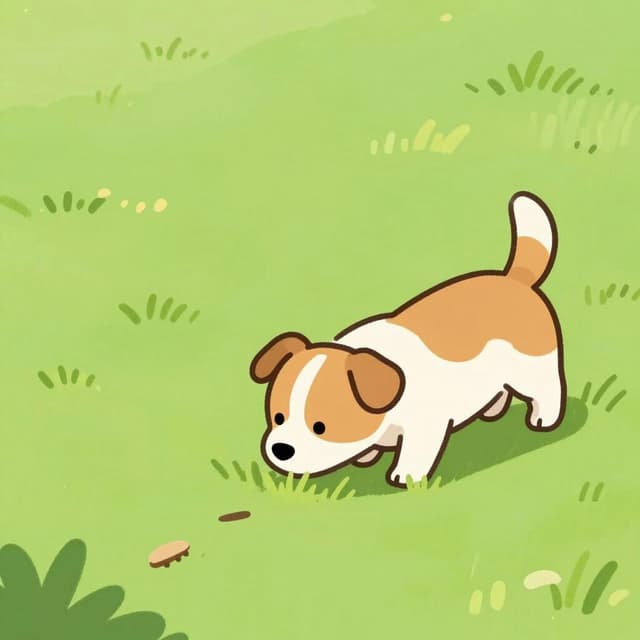
The imperative is for giving direct commands. For 'husmear', you'd use it to tell someone to go sniff around, like telling a dog to 'husmea!' or a detective to 'husmee el área'.
Uwagi dotyczące husmear w czasie Tryb rozkazujący (twierdzący)
Husmear is regular in the imperative. The 'vosotros' form is 'husmead'.
Przykładowe zdania
¡Husmea por ahí, a ver si encuentras el juguete!
Sniff around there, let's see if you find the toy!
tú
Señor, husmee la maleta con cuidado.
Sir, sniff the suitcase carefully.
usted
¡Husmeemos el jardín antes de que llueva!
Let's sniff the garden before it rains!
nosotros
Chicos, husmead alrededor de la casa.
Guys, sniff around the house.
vosotros
Częste błędy
Błąd: Using the present indicative ('husmeas') instead of the imperative ('husmea') for a command.
Poprawnie: For a direct command to 'you', use 'husmea'.
Dlaczego: The present indicative describes habits or current actions, while the imperative is specifically for commands.
Błąd: Forgetting the 'vosotros' form 'husmead'.
Poprawnie: Remember 'husmead' when commanding a group you address informally in Spain.
Dlaczego: Spanish has a distinct informal plural command form for 'vosotros'.
Opanuj hiszpańskie czasowniki w kontekście
Zapamiętywanie tabel to dopiero początek. Przeczytaj ponad 200 ilustrowanych i udźwiękowionych hiszpańskich historii, aby zobaczyć czasowniki takie jak 'husmear' używane naturalnie — w czasach, których się uczysz.
Powiązane czasy
Czas teraźniejszy
yo: husmeo
Husmear is regular in the present: husmeo, husmeas, husmea, husmeamos, husmeáis, husmean.
Czas przeszły prosty
yo: husmeé
Husmear is regular in the preterite: husmeé, husmeaste, husmeó, husmeamos, husmeasteis, husmearon.
Czas przeszły niedokonany
yo: husmeaba
Husmear is regular in the imperfect: husmeaba, husmeabas, husmeaba, husmeábamos, husmeabais, husmeaban.
Czas przyszły
yo: husmearé
The future of husmear is regular: husmearé, husmearás, husmeará, husmearemos, husmearéis, husmearán.
Tryb warunkowy
yo: husmearía
The conditional of husmear is regular: husmearía, husmearías, husmearía, husmaríamos, husmaríais, husmarían.
Tryb Subj. teraźniejszy
yo: husmee
Use forms like 'husmee' or 'husmeen' after expressions of desire, doubt, or emotion.
Tryb Subj. przeszły niedokonany
yo: husmeara
Use forms like 'husmeara' or 'husmeara' for past hypothetical situations or wishes related to 'husmear'.
Tryb rozkazujący (przeczący)
yo: no husmees
Use 'no husmees' (tú) or 'no husmee' (usted) for negative commands based on the present subjunctive.