Koniugacja patinar Czas przeszły niedokonany
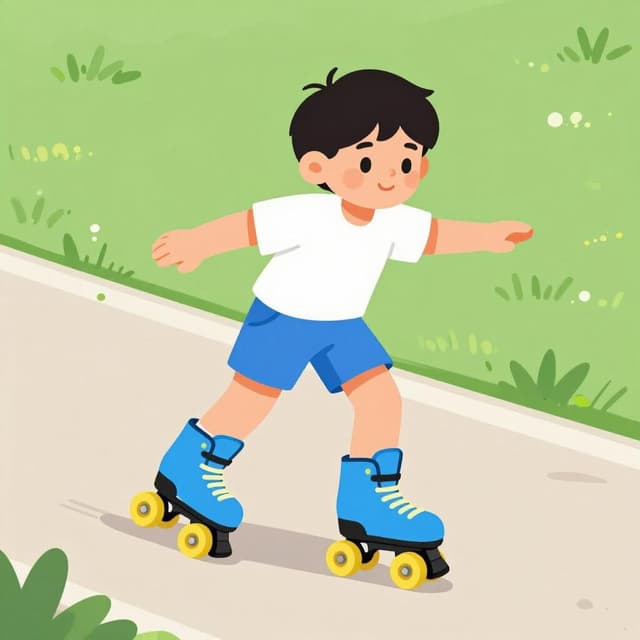
patinar — to skate
The imperfect tense of patinar is: patinaba, patinabas, patinaba, patinábamos, patinabais, patinaban.
Formy patinar Czas przeszły niedokonany
Kiedy używać Czas przeszły niedokonany
Use the imperfect tense to describe ongoing actions, habitual actions, or background settings in the past. For example, 'I used to skate' or 'He was skating when...'.
Uwagi dotyczące patinar w czasie Czas przeszły niedokonany
Patinar is a regular -ar verb and is regular in the imperfect tense.
Przykładowe zdania
Cuando era joven, patinaba todos los días.
When I was young, I used to skate every day.
yo
Tú patinabas muy bien en esa época.
You skated very well back then.
tú
Ella patinaba mientras sonaba la música.
She was skating while the music played.
él/ella/usted
Ellos patinaban en el lago congelado.
They were skating on the frozen lake.
ellos/ellas/ustedes
Częste błędy
Błąd: Using the preterite 'patinó' instead of the imperfect 'patinaba' for ongoing past actions.
Poprawnie: Use 'patinaba' to describe an action that was in progress or habitual in the past.
Dlaczego: The imperfect describes the 'scene' or the ongoing nature of past actions, while the preterite describes a completed action.
Błąd: Confusing the 'yo' and 'él/ella/usted' forms, which are identical.
Poprawnie: Context or explicit pronouns ('yo', 'él', 'ella', 'usted') clarify who is skating.
Dlaczego: Both 'yo patinaba' and 'él/ella/usted patinaba' use the same verb form.
Opanuj hiszpańskie czasowniki w kontekście
Zapamiętywanie tabel to dopiero początek. Przeczytaj ponad 200 ilustrowanych i udźwiękowionych hiszpańskich historii, aby zobaczyć czasowniki takie jak 'patinar' używane naturalnie — w czasach, których się uczysz.
Powiązane czasy
Czas teraźniejszy
yo: patino
The present tense of patinar is: patino, patinas, patina, patinamos, patináis, patinan.
Czas przeszły prosty
yo: patiné
The preterite of patinar is regular: patiné, patinaste, patinó, patinamos, patinasteis, patinaron.
Czas przyszły
yo: patinaré
The future tense of patinar is: patinaré, patinarás, patinará, patinaremos, patinaréis, patinarán.
Tryb warunkowy
yo: patinaría
The conditional tense of patinar is: patinaría, patinarías, patinaría, patinaríamos, patinaríais, patinarían.
Tryb Subj. teraźniejszy
yo: patine
The present subjunctive of patinar is: patine (yo/él/ella/usted), patines (tú), patinemos (nosotros), patinéis (vosotros), patinen (ellos/ellas/ustedes).
Tryb Subj. przeszły niedokonany
yo: patinara
The imperfect subjunctive of patinar has two forms: patinara/patinaras/patinara/patináramos/patinarais/patinaran and patinase/patinases/patinase/patinásemos/patinaseis/patinasen.
Tryb rozkazujący (twierdzący)
yo: patina
The imperative of patinar is: patina (tú), patine (usted), patinemos (nosotros), patinad (vosotros), patinen (ustedes).
Tryb rozkazujący (przeczący)
yo: no patines
The negative imperative of patinar uses 'no' + present subjunctive: no patines (tú), no patine (usted), no patinemos (nosotros), no patinéis (vosotros), no patinen (ustedes).