Koniugacja patinar Tryb rozkazujący (przeczący)
patinar — to skate
The negative imperative of patinar uses 'no' + present subjunctive: no patines (tú), no patine (usted), no patinemos (nosotros), no patinéis (vosotros), no patinen (ustedes).
Formy patinar Tryb rozkazujący (przeczący)
Kiedy używać Tryb rozkazujący (przeczący)
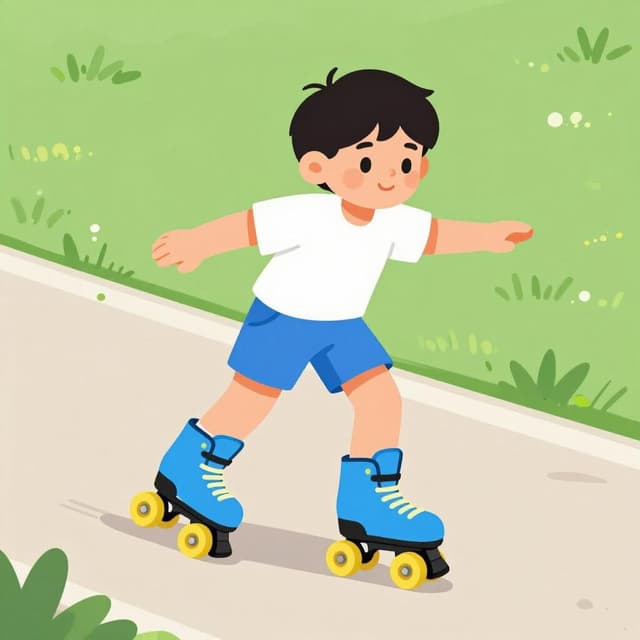
Use the negative imperative to tell someone NOT to do something. For 'patinar', it's like saying 'Don't skate!' or 'Let's not skate!'
Uwagi dotyczące patinar w czasie Tryb rozkazujący (przeczący)
Patinar is regular in the negative imperative. All negative commands use the present subjunctive forms preceded by 'no'.
Przykładowe zdania
No patines en la calle mojada.
Don't skate on the wet street.
tú
No patinemos cerca del tráfico.
Let's not skate near the traffic.
nosotros
No patinen sin casco.
Don't skate without a helmet.
Joven, no patine tan rápido.
Young man, don't skate so fast.
usted
Częste błędy
Błąd: Using the infinitive 'patinar' in a negative command.
Poprawnie: Use 'no' followed by the correct present subjunctive form, like 'no patines'.
Dlaczego: The subjunctive mood is required for negative commands in Spanish.
Błąd: Forgetting 'no' in a negative command.
Poprawnie: Always include 'no' before the verb in negative commands.
Dlaczego: The 'no' is essential to make the command negative.
Opanuj hiszpańskie czasowniki w kontekście
Zapamiętywanie tabel to dopiero początek. Przeczytaj ponad 200 ilustrowanych i udźwiękowionych hiszpańskich historii, aby zobaczyć czasowniki takie jak 'patinar' używane naturalnie — w czasach, których się uczysz.
Powiązane czasy
Czas teraźniejszy
yo: patino
The present tense of patinar is: patino, patinas, patina, patinamos, patináis, patinan.
Czas przeszły prosty
yo: patiné
The preterite of patinar is regular: patiné, patinaste, patinó, patinamos, patinasteis, patinaron.
Czas przeszły niedokonany
yo: patinaba
The imperfect tense of patinar is: patinaba, patinabas, patinaba, patinábamos, patinabais, patinaban.
Czas przyszły
yo: patinaré
The future tense of patinar is: patinaré, patinarás, patinará, patinaremos, patinaréis, patinarán.
Tryb warunkowy
yo: patinaría
The conditional tense of patinar is: patinaría, patinarías, patinaría, patinaríamos, patinaríais, patinarían.
Tryb Subj. teraźniejszy
yo: patine
The present subjunctive of patinar is: patine (yo/él/ella/usted), patines (tú), patinemos (nosotros), patinéis (vosotros), patinen (ellos/ellas/ustedes).
Tryb Subj. przeszły niedokonany
yo: patinara
The imperfect subjunctive of patinar has two forms: patinara/patinaras/patinara/patináramos/patinarais/patinaran and patinase/patinases/patinase/patinásemos/patinaseis/patinasen.
Tryb rozkazujący (twierdzący)
yo: patina
The imperative of patinar is: patina (tú), patine (usted), patinemos (nosotros), patinad (vosotros), patinen (ustedes).