
De vs En (Material)
Use 'de' for what something is made OF. Use 'en' for the artistic medium or style it's made IN.
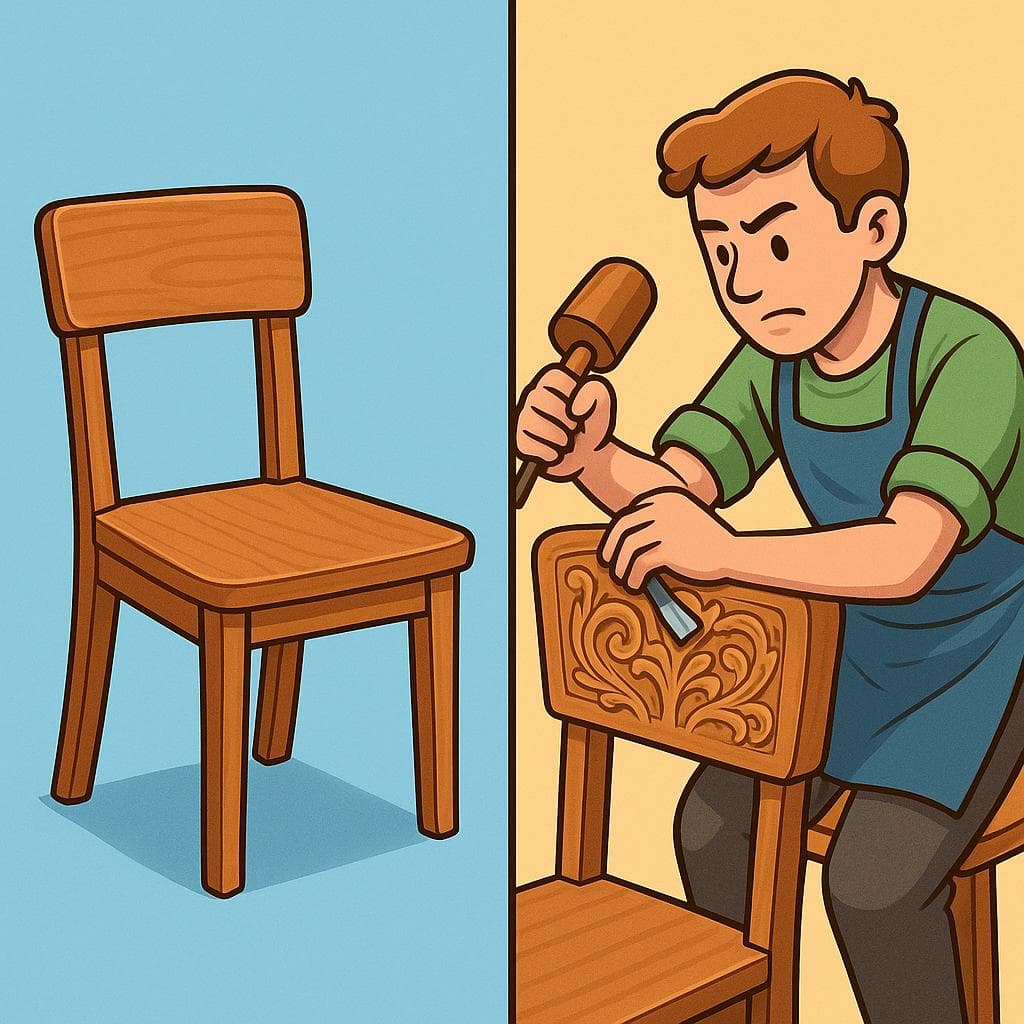
de
Used to state the material an object is made of; its fundamental composition.
DEHen
Used to describe the medium, style, or format in which something is created.
EHNQuick Rule
Use 'de' for what something is made OF. Use 'en' for the artistic medium or style it's made IN.
Think: 'De' for the basic Design material. 'En' for an artistic Environment or style.
- While a painting is on a canvas 'de' lino (of linen), it is painted 'en' óleo (in oil). The medium uses 'en'.
Comparison Table
| Context | de | en | Why? |
|---|---|---|---|
| Art | Una estatua de mármol | Un relieve tallado en mármol | 'De' states the object's material. 'En' describes the artistic process or medium used on the material. |
| Clothing | Un vestido de seda | Un estampado en seda | 'De' names the fabric. 'En' describes a design or pattern applied to the fabric. |
| General Objects | Una caja de cartón | Un diseño en cartón pluma | 'De' is for the common material. 'En' can specify a particular type or style of that material used for a project. |
When to Use "de / en"
de
Used to state the material an object is made of; its fundamental composition.
DEH
Basic material of an object
La mesa es de madera.
The table is made of wood.
Fabric of clothing
Tengo una camisa de algodón.
I have a cotton shirt.
Primary ingredient
Es una joya de plata.
It's a silver piece of jewelry.
en
Used to describe the medium, style, or format in which something is created.
EHN
Artistic medium
Es un cuadro pintado en acuarela.
It's a painting done in watercolor.
Style or format
Prefiero las películas en blanco y negro.
I prefer movies in black and white.
Technical or artistic process
Es una figura impresa en 3D.
It's a figure printed in 3D.
Contrast Examples
With "de":
Es una escultura de bronce.
It's a bronze sculpture. (Tells you the material.)
With "en":
Es una escultura hecha en bronce.
It's a sculpture made in bronze. (Emphasizes the medium/process.)
The Difference: 'De' is the simple, direct way to state the material. 'En' is often used with a verb like 'hecho', 'tallado', or 'pintado' to describe the artistic process or medium.
With "de":
Es una película de terror.
It's a horror film. ('De' describes the genre/type.)
With "en":
Es una película en color.
It's a color film. ('En' describes the format/style.)
The Difference: This shows how 'de' is used for classification (what type is it?), while 'en' is used for the format or medium (how was it made?).
Common Mistakes
Quiero un suéter en lana.
Quiero un suéter de lana.
For the basic material of clothing, always use 'de'. 'En' is reserved for more artistic or technical descriptions.
El artista pinta de óleo.
El artista pinta en óleo (or al óleo).
Artistic mediums like oil paint, watercolor, or charcoal use 'en' (or 'al') to describe how the art is made.
Quick Practice
Quick Quiz: De vs En (Material)
Question 1 of 3
Which sentence is correct for a gold ring?
Related Grammar
Want to understand the grammar behind this pair? Explore these lessons for a deep dive:
Key Words
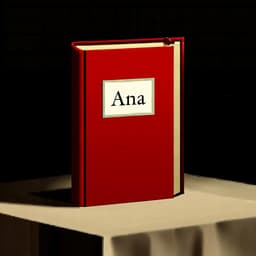
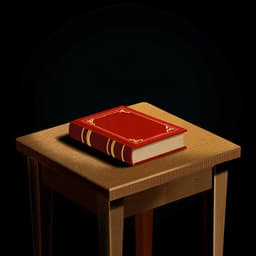
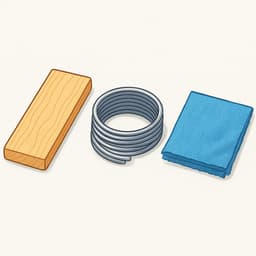
Tags
Build the instinct, not just the rule
Rules help you get it right; context makes it automatic. Read 200+ illustrated and narrated Spanish stories to see confusing pairs chosen correctly — over and over — until you stop thinking about it.
Frequently Asked Questions
So I should never say something is 'hecho en...' for material?
Correct. 'Hecho en...' is almost exclusively used for location (Made in...). For material, you'd say 'hecho de...' (made of...). For an artistic medium, you might say 'hecho en...' (e.g., 'hecho en acuarela' - made in watercolor), but 'hecho de' is for physical composition.
Is 'de' vs 'en' for materials a common mistake?
Yes, especially for English speakers. In English, we might say a design is 'in' a certain style, which can cause confusion. Just remember the simple rule: 'de' for the physical stuff it's made of, 'en' for the artistic style or medium.