
Esquina vs Rincón
Esquina = outside corner (street). Rincón = inside corner (room).
esquina
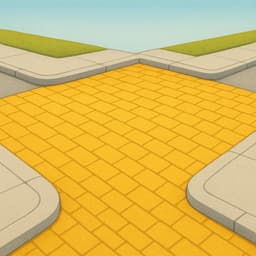
An exterior corner, usually where two streets meet, or the outer corner of an object.
ehs-KEE-nahrincón
An interior corner where two walls meet, or a cozy, secluded place.
reen-KOHNQuick Rule
Esquina = outside corner (street). Rincón = inside corner (room).
Think: Esquina has an 'E' for Exterior. Rincón has 'in' for Interior.
- 'Rincón' can also mean a cozy or secluded spot, like 'a little nook'.
Comparison Table
| Context | esquina | rincón | Why? |
|---|---|---|---|
| In the city | La farmacia está en la esquina. | Es mi rincón favorito de la ciudad. | Esquina refers to a specific street intersection. Rincón refers to a favorite, cozy spot within the city. |
| Inside a house | La casa está en la esquina del barrio. | La silla está en el rincón del cuarto. | Esquina for the house's location on the block (outside). Rincón for a location inside a room. |
| Describing objects | Me golpeé con la esquina del escritorio. | Puse el escritorio en el rincón. | Esquina is the sharp outer edge of the desk. Rincón is the corner of the room where the desk goes. |
When to Use "esquina / rincón"
esquina
An exterior corner, usually where two streets meet, or the outer corner of an object.
ehs-KEE-nah
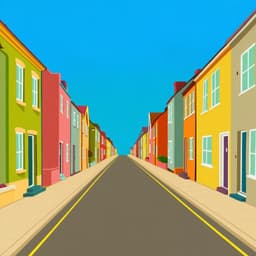
Street corners
Nos vemos en la esquina de la panadería.
Let's meet on the corner by the bakery.
Giving directions
Gira a la derecha en la próxima esquina.
Turn right at the next corner.
Outer corner of an object
Ten cuidado, la esquina de la mesa es filosa.
Be careful, the corner of the table is sharp.
rincón
An interior corner where two walls meet, or a cozy, secluded place.
reen-KOHN
Inside corner of a room
Puse la lámpara en el rincón de la sala.
I put the lamp in the corner of the living room.
A cozy or secluded spot
Encontré un rincón tranquilo en el parque para leer.
I found a quiet nook in the park to read.
Figurative place of punishment
El niño fue castigado y enviado al rincón.
The child was punished and sent to the corner.
Contrast Examples
With "esquina":
La casa está en la esquina.
The house is on the corner (of the block).
With "rincón":
El sillón está en el rincón.
The armchair is in the corner (of the room).
The Difference: Esquina describes the house's location relative to the street (outside). Rincón describes a location inside the house.
With "esquina":
El café de la esquina es muy popular.
The corner café is very popular.
With "rincón":
Encontré un rincón tranquilo en el café para trabajar.
I found a quiet corner/nook in the café to work.
The Difference: Esquina refers to the café's physical location on the street. Rincón refers to a specific, cozy spot inside the café.
Common Mistakes
Puse la planta en la esquina de mi cuarto.
Puse la planta en el rincón de mi cuarto.
For an inside corner of a room, always use 'rincón'. 'Esquina' is for outside corners, like streets.
Nos vemos en el rincón de la Calle Mayor.
Nos vemos en la esquina de la Calle Mayor.
The place where two streets meet is always an 'esquina'.
Quick Practice
Quick Quiz: Esquina vs Rincón
Question 1 of 2
Para ir al banco, tienes que girar a la izquierda en la próxima ___.
Related Grammar
Want to understand the grammar behind this pair? Explore these lessons for a deep dive:
Key Words
Tags
Build the instinct, not just the rule
Rules help you get it right; context makes it automatic. Read 200+ illustrated and narrated Spanish stories to see confusing pairs chosen correctly — over and over — until you stop thinking about it.
Frequently Asked Questions
Can I use 'esquina' for the corner of a table or book?
Yes, absolutely. 'Esquina' is used for the outer corner of physical objects, like a table, a box, or the page of a book. 'Rincón' is never used for this.
Do 'esquina' and 'rincón' have the same gender?
No, and this is a key difference! 'Esquina' is feminine (la esquina, una esquina), while 'rincón' is masculine (el rincón, un rincón). Remembering the correct article is a big step to using them correctly.