
Tratar de vs Tratarse de
Tratar de = someone tries to do something. Tratarse de = something is about something.
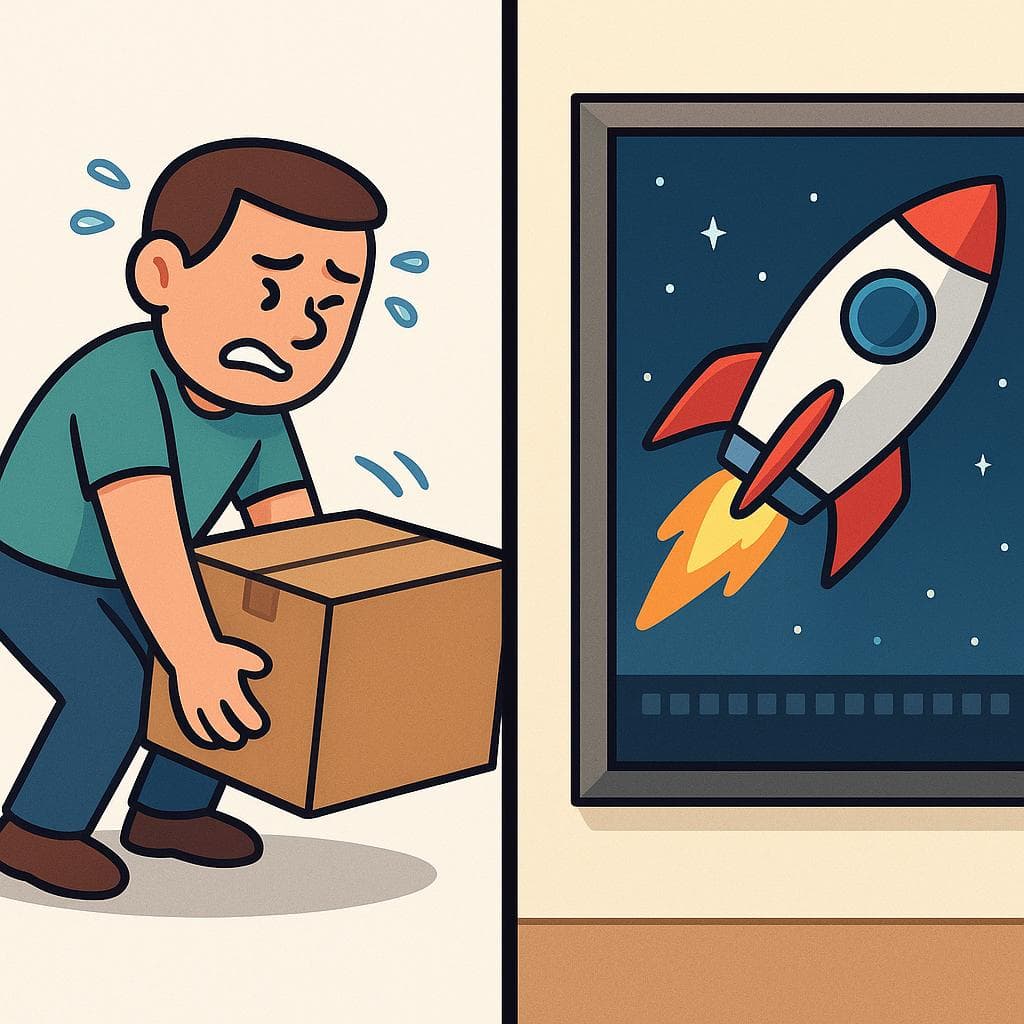
tratar de
To try to, to attempt to do something.
trah-TAR dehtratarse de
To be about, to be a matter of, to concern.
trah-TAR-seh dehQuick Rule
Tratar de = someone tries to do something. Tratarse de = something is about something.
Think: 'Tratar de' is for a DOER. 'Tratarse de' is for a TOPIC.
- 'Tratarse de' is always used in the third-person singular (se trata de), making it impersonal.
Comparison Table
| Context | tratar de | tratarse de | Why? |
|---|---|---|---|
| Talking about a movie | Trato de ver la película. | La película se trata de amor. | Tratar de = Someone's attempt to do an action. Se trata de = The topic of the movie. |
| Describing a problem | Tratamos de resolver el problema. | Se trata de un problema grave. | Tratar de = The action we are taking. Se trata de = The nature of the problem itself. |
| Explaining a situation | Trato de explicarte la situación. | Se trata de una situación delicada. | Tratar de focuses on the person's effort to explain. Se trata de focuses on what the situation is. |
When to Use "tratar de / tratarse de"
tratar de
To try to, to attempt to do something.
trah-TAR deh
Expressing an attempt or effort
Trato de aprender español.
I'm trying to learn Spanish.
Describing an action someone is attempting
Ella trató de llamarte ayer.
She tried to call you yesterday.
When a person is the subject making an effort
Siempre tratamos de ser puntuales.
We always try to be on time.
tratarse de
To be about, to be a matter of, to concern.
trah-TAR-seh deh
Describing the subject of a book, film, etc.
La película se trata de un viaje a la luna.
The movie is about a trip to the moon.
Defining or identifying a situation or issue
Se trata de un problema muy complicado.
It's a very complicated problem.
Explaining the core principle of something
No se trata de dinero, se trata de respeto.
It's not about money, it's about respect.
Contrast Examples
With "tratar de":
Trato de entender este libro.
I'm trying to understand this book.
With "tratarse de":
Este libro se trata de filosofía.
This book is about philosophy.
The Difference: 'Tratar de' describes your personal effort related to the book. 'Se trata de' describes the book's content.
With "tratar de":
Estamos tratando de terminar el proyecto.
We are trying to finish the project.
With "tratarse de":
Se trata de un proyecto para la comunidad.
It's a project for the community.
The Difference: 'Tratar de' shows the action and effort of the people involved. 'Se trata de' identifies or defines what the project is.
With "tratar de":
Trata de elegir la opción correcta.
Try to choose the correct option. (A command)
With "tratarse de":
No se trata de elegir, se trata de aceptar.
It's not about choosing, it's about accepting.
The Difference: 'Tratar de' is an action verb, telling someone to make an attempt. 'Se trata de' describes the underlying principle or nature of the situation.
Common Mistakes
La historia se trata de aprender.
La historia trata de motivarnos.
This is a subtle one. 'Se trata de' is followed by a noun or infinitive used as a noun ('It's about learning'). When you mean 'It tries to motivate us' (the story is the subject), you use 'trata de'.
Me trato de hablar español.
Trato de hablar español.
To say 'I try to...', just use 'Trato de...'. The 'se' in 'tratarse de' makes it impersonal and changes the meaning. You don't need 'me'.
La película trata de un espía.
La película se trata de un espía.
When you want to say what something is 'about', the standard and clearest phrase is 'se trata de'. Using 'trata de' can sometimes mean 'deals with', but for a simple description of the topic, 'se trata de' is what you need.
Quick Practice
Quick Quiz: Tratar de vs Tratarse de
Question 1 of 3
Which sentence means 'The book is about a queen'?
Related Grammar
Want to understand the grammar behind this pair? Explore these lessons for a deep dive:
Key Words



Tags
Build the instinct, not just the rule
Rules help you get it right; context makes it automatic. Read 200+ illustrated and narrated Spanish stories to see confusing pairs chosen correctly — over and over — until you stop thinking about it.
Frequently Asked Questions
Can I ever use 'trata de' to mean 'is about'?
Yes, sometimes 'El libro trata de...' is used to mean 'The book deals with...'. However, this is more formal and less common in everyday speech than 'se trata de'. For learners, it's safest and clearest to use 'se trata de' when you mean 'is about' and 'trata de' when you mean 'tries to'.
Why is 'tratarse de' always 'se trata de'?
It's what's called an impersonal verb construction. The 'se' makes it so there's no specific person doing the action. Think of how we say 'It is raining' in English—who is 'it'? Nobody. 'Se trata de' works the same way; it's always 'it' that's about something, so the verb stays in the third-person singular form.