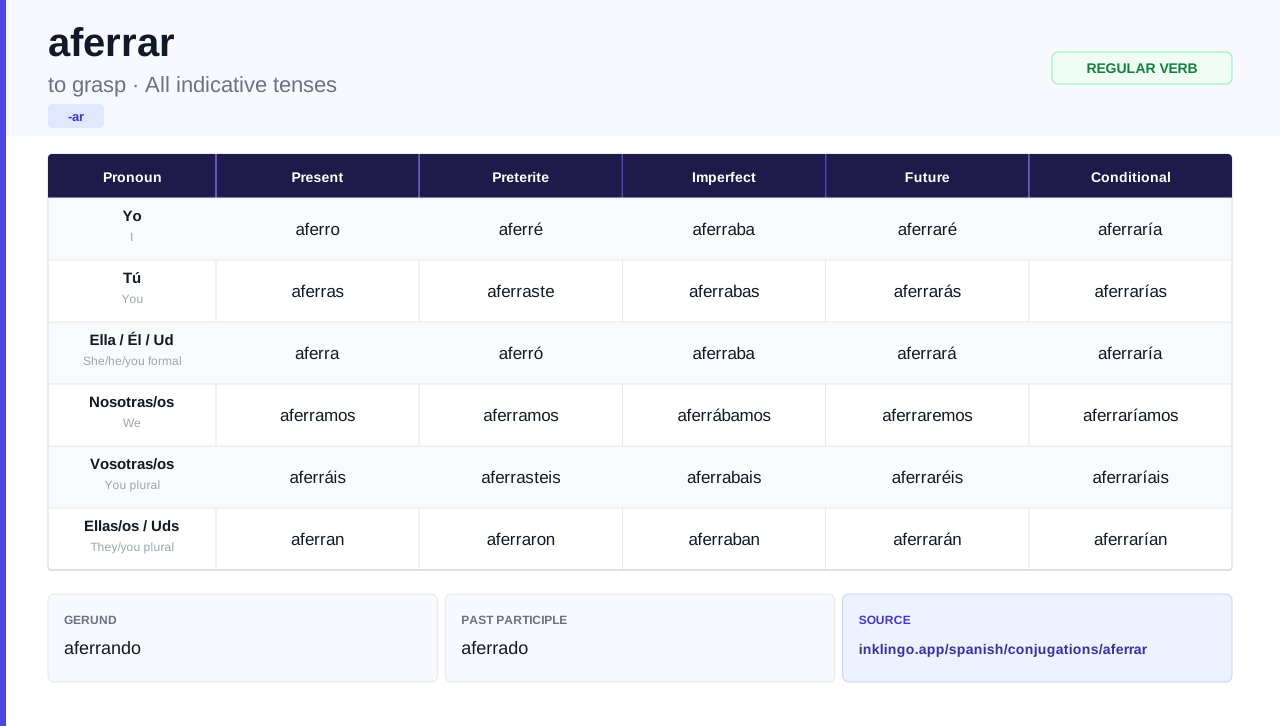
aferrarConjugation
aferrar means to grasp.
Complete Conjugation Tables
Reference all tenses and moods
Subjunctive
Imperfect Subjunctive
Aferrara/aferrase forms express hypothetical past wishes or conditions.
Present Subjunctive
Aferre, aferres, aferre, aferremos, aferréis, aferren: express wishes, doubts, emotions.
Imperative
Negative Imperative
No aferres, no aferréis, no aferre, no aferren: negative commands not to grasp.
Imperative
Aferra, aferrad, aferre, aferren: direct commands to grasp or hold on.
Indicative
Conditional
Aferraría, aferrarías, aferraría, aferraríamos, aferraríais, aferrarían: hypothetical 'would grasp' or polite requests.
Preterite
Aferré, aferraste, aferró, aferramos, aferrasteis, aferraron: completed actions of grasping or holding on.
Imperfect
Aferraba, aferrabas, aferraba, aferrábamos, aferrabais, aferraban: ongoing or habitual past actions of grasping.
Present
Aferro, aferras, aferra, aferramos, aferráis, aferran: actions of grasping happening now or habitually.
Future
Aferraré, aferrarás, aferrará, aferraremos, aferraréis, aferrarán: actions that will happen.
Practice Conjugations
Test your knowledge with interactive exercises
Take aferrar from tables to real Spanish
Conjugation tables are the start. Read 200+ illustrated and narrated Spanish stories to see 'aferrar' in action across real sentences — and build the instinct that native speakers have.
Frequently Asked Questions
What does aferrar mean in Spanish?
aferrar means "to grasp".
Is aferrar a regular or irregular verb?
aferrar is a regular -ar verb in Spanish.
How do you conjugate aferrar in the present tense?
The present tense of aferrar is: yo aferro, tú aferras, él/ella/usted aferra, nosotros aferramos, vosotros aferráis, ellos/ellas/ustedes aferran.
How do you conjugate aferrar in the preterite (past tense)?
The preterite of aferrar is: yo aferré, tú aferraste, él/ella/usted aferró, nosotros aferramos, vosotros aferrasteis, ellos/ellas/ustedes aferraron.
aferrar conjugation cheat sheet