aferrar
“aferrar” means “to grasp” in Spanish. It has 2 different meanings depending on context:
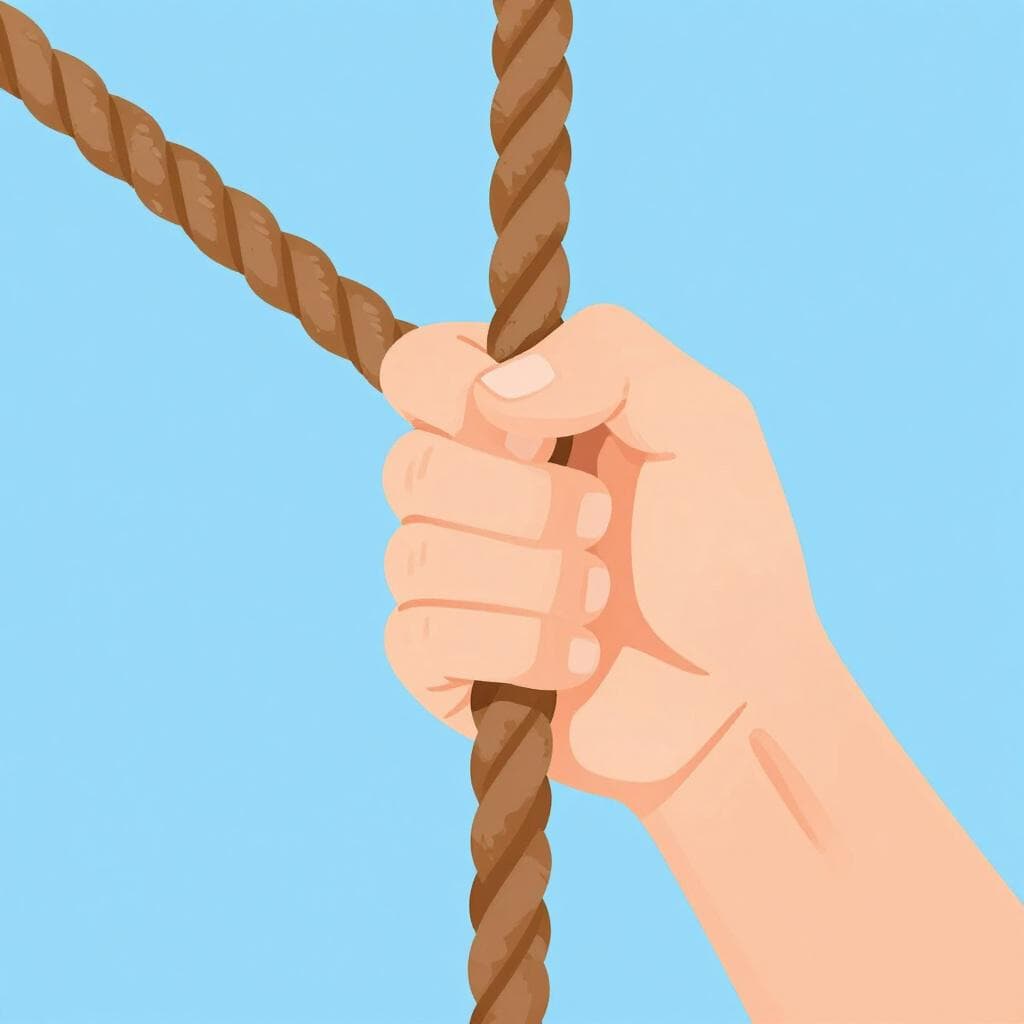

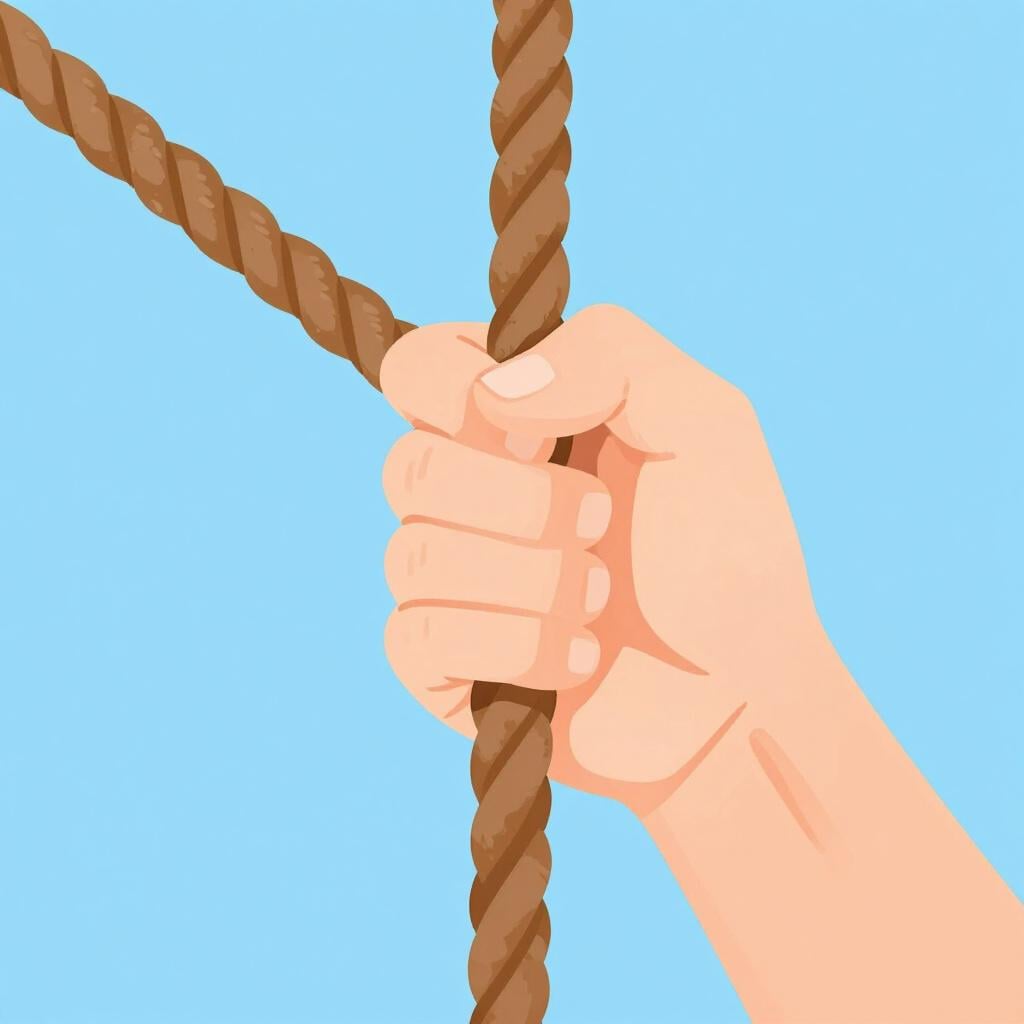
to graspAlso: to clutch, to seize
📝 In Action
El escalador aferró la roca con fuerza.
B1The climber grasped the rock tightly.
Aferró el volante cuando el coche empezó a patinar.
B2He seized the steering wheel when the car started to skid.
La niña aferraba su muñeca contra el pecho.
B1The girl was clutching her doll against her chest.
Word Connections
to cling toAlso: to stick to

📝 In Action
Se aferra a la idea de que todo saldrá bien.
B2She clings to the idea that everything will turn out fine.
No debemos aferrarnos al pasado.
B1We shouldn't hold onto the past.
El político se aferró a su cargo hasta el final.
C1The politician clung to his position until the end.
Word Connections
Subjunctive
Imperfect Subjunctive
Present Subjunctive
Indicative
Preterite
Imperfect
Present
✏️ Quick Practice
Quick Quiz: aferrar
Question 1 of 3
Which sentence means 'Don't cling to the past'?
📚 More Resources
👥 Word Family
📚 Etymology
Derived from the Spanish prefix 'a-' (towards) and the Latin word 'ferrum' (iron). It literally means 'to bind with iron' or 'to make hard as iron.'
First recorded: 13th century
Cognates (Related words)
💡 Master Spanish
Take your Spanish to the next level. Read 200+ illustrated and narrated Spanish stories tailored to your level with the Inklingo app!
Frequently Asked Questions
Is 'aferrar' common in conversation?
It is less common than 'agarrar' for simple physical actions. However, the reflexive form 'aferrarse' is very common when talking about emotions or stubbornness.
Can I use 'aferrar' for a person I love?
Yes, 'aferrarse a alguien' means you are clinging to someone, often suggesting you don't want to lose them or are being overly dependent.
Is 'aferrar' a regular verb?
Yes, it follows the standard pattern for verbs ending in -ar.