cegar Imperfect Subjunctive Conjugation
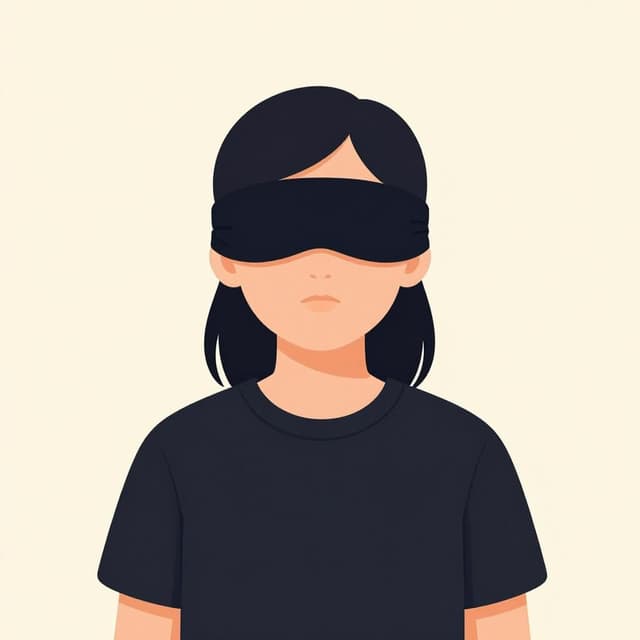
cegar — to blind
The imperfect subjunctive of cegar is regular in its stem (cegar-).
cegar Imperfect Subjunctive Forms
When to Use the Imperfect Subjunctive
Use this for hypothetical situations or past emotions, such as if you were imagining what would happen if something blinded someone.
Notes on cegar in the Imperfect Subjunctive
Cegar is regular in this tense. It uses the stem from the third-person plural preterite (cegaron) and adds the standard -ra endings.
Example Sentences
Si el sol me cegara, no podría conducir.
If the sun blinded me, I wouldn't be able to drive.
yo
No quería que el éxito lo cegara.
I didn't want success to blind him.
él/ella/usted
Me pidió que no nos cegáramos con el dinero.
He asked us not to be blinded by the money.
nosotros
Common Mistakes
Mistake: ciegara
Correct: cegara
Why: Learners often try to apply the e-ie stem change here, but that change only happens in the present tenses.
Master Spanish verbs in context
Memorizing tables only gets you so far. Read 200+ illustrated and narrated Spanish stories to see verbs like 'cegar' used naturally — in the tenses you're learning.
Related Tenses
Present
yo: ciego
Cegar is a stem-changing verb (e-ie) in the present tense (ciego, ciegas...).
Preterite
yo: cegué
Cegar has a spelling change only in the 'yo' form (cegué) to maintain the hard 'g' sound.
Imperfect
yo: cegaba
The imperfect of cegar is regular: cegaba, cegabas, cegaba...
Future
yo: cegaré
The future tense of cegar is completely regular: cegaré, cegarás, cegará...
Conditional
yo: cegaría
The conditional of cegar is regular: cegaría, cegarías, cegaría...
Present Subjunctive
yo: ciegue
Cegar undergoes an e-ie stem change and a g-gu spelling change in the present subjunctive.
Affirmative Imperative
yo: ciega
The imperative of cegar uses 'ciega' (tú) and 'ciegue' (usted).
Negative Imperative
yo: no ciegues
The negative imperative uses present subjunctive forms: no ciegues, no ciegue.