cegar Present Conjugation
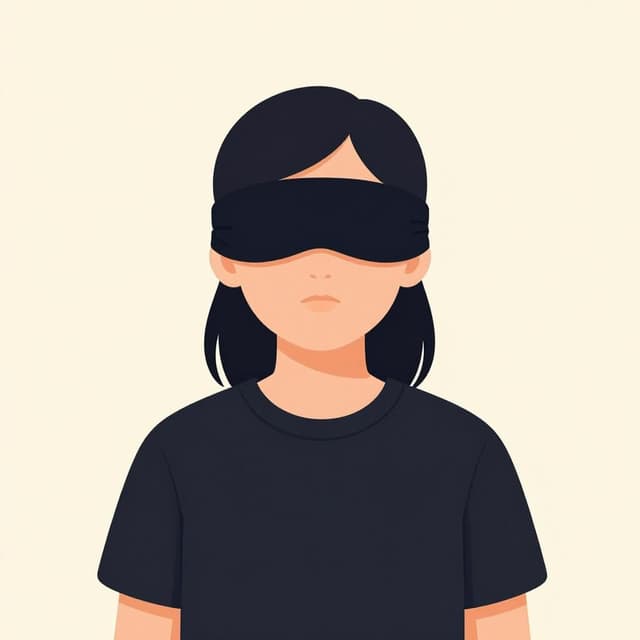
cegar — to blind
Cegar is a stem-changing verb (e-ie) in the present tense (ciego, ciegas...).
cegar Present Forms
When to Use the Present
Use this for habitual actions or general truths, like how bright snow blinds people or how love is currently blinding a friend.
Notes on cegar in the Present
The 'e' in the stem changes to 'ie' in all forms except nosotros and vosotros (the 'boot' pattern).
Example Sentences
El reflejo del agua me ciega.
The reflection of the water blinds me.
él/ella/usted
A veces te ciegas con tus propios prejuicios.
Sometimes you are blinded by your own prejudices.
tú
Cegamos a los animales con las luces del coche.
We blind the animals with the car lights.
nosotros
Common Mistakes
Mistake: cegas
Correct: ciegas
Why: Cegar follows the same pattern as 'pensar'; the stressed 'e' must break into 'ie'.
Master Spanish verbs in context
Memorizing tables only gets you so far. Read 200+ illustrated and narrated Spanish stories to see verbs like 'cegar' used naturally — in the tenses you're learning.
Related Tenses
Preterite
yo: cegué
Cegar has a spelling change only in the 'yo' form (cegué) to maintain the hard 'g' sound.
Imperfect
yo: cegaba
The imperfect of cegar is regular: cegaba, cegabas, cegaba...
Future
yo: cegaré
The future tense of cegar is completely regular: cegaré, cegarás, cegará...
Conditional
yo: cegaría
The conditional of cegar is regular: cegaría, cegarías, cegaría...
Present Subjunctive
yo: ciegue
Cegar undergoes an e-ie stem change and a g-gu spelling change in the present subjunctive.
Imperfect Subjunctive
yo: cegara
The imperfect subjunctive of cegar is regular in its stem (cegar-).
Affirmative Imperative
yo: ciega
The imperative of cegar uses 'ciega' (tú) and 'ciegue' (usted).
Negative Imperative
yo: no ciegues
The negative imperative uses present subjunctive forms: no ciegues, no ciegue.