cegar Preterite Conjugation
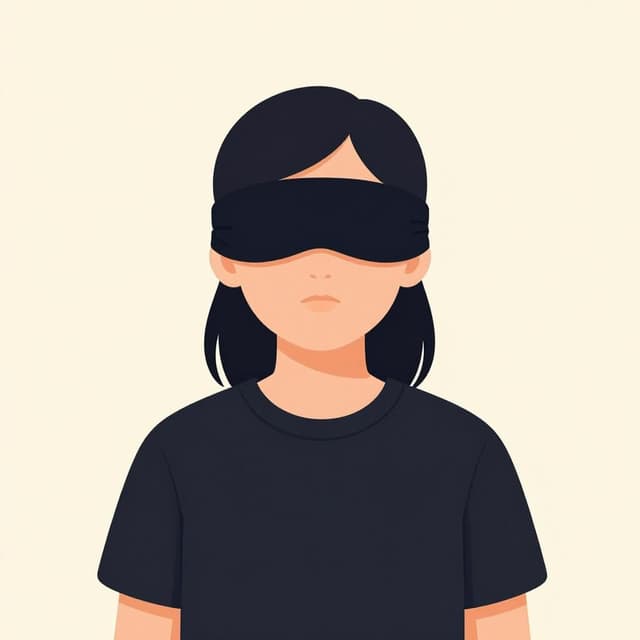
cegar — to blind
Cegar has a spelling change only in the 'yo' form (cegué) to maintain the hard 'g' sound.
cegar Preterite Forms
When to Use the Preterite
Use the preterite for a specific moment in the past when someone was suddenly blinded, like by a camera flash or a sudden realization.
Notes on cegar in the Preterite
Only the 'yo' form is irregular (cegué). The 'g' becomes 'gu' before the 'é'. All other forms are regular (cegaste, cegó, etc.).
Example Sentences
Me cegué por un momento con el flash.
I was blinded for a moment by the flash.
yo
La ambición lo cegó por completo.
Ambition blinded him completely.
él/ella/usted
Las luces del coche nos cegaron.
The car lights blinded us.
ellos/ellas/ustedes
Common Mistakes
Mistake: cegé
Correct: cegué
Why: In Spanish, 'ge' sounds like 'he'. You need the 'u' to keep the hard 'g' sound of the infinitive.
Master Spanish verbs in context
Memorizing tables only gets you so far. Read 200+ illustrated and narrated Spanish stories to see verbs like 'cegar' used naturally — in the tenses you're learning.
Related Tenses
Present
yo: ciego
Cegar is a stem-changing verb (e-ie) in the present tense (ciego, ciegas...).
Imperfect
yo: cegaba
The imperfect of cegar is regular: cegaba, cegabas, cegaba...
Future
yo: cegaré
The future tense of cegar is completely regular: cegaré, cegarás, cegará...
Conditional
yo: cegaría
The conditional of cegar is regular: cegaría, cegarías, cegaría...
Present Subjunctive
yo: ciegue
Cegar undergoes an e-ie stem change and a g-gu spelling change in the present subjunctive.
Imperfect Subjunctive
yo: cegara
The imperfect subjunctive of cegar is regular in its stem (cegar-).
Affirmative Imperative
yo: ciega
The imperative of cegar uses 'ciega' (tú) and 'ciegue' (usted).
Negative Imperative
yo: no ciegues
The negative imperative uses present subjunctive forms: no ciegues, no ciegue.