cegar Present Subjunctive Conjugation
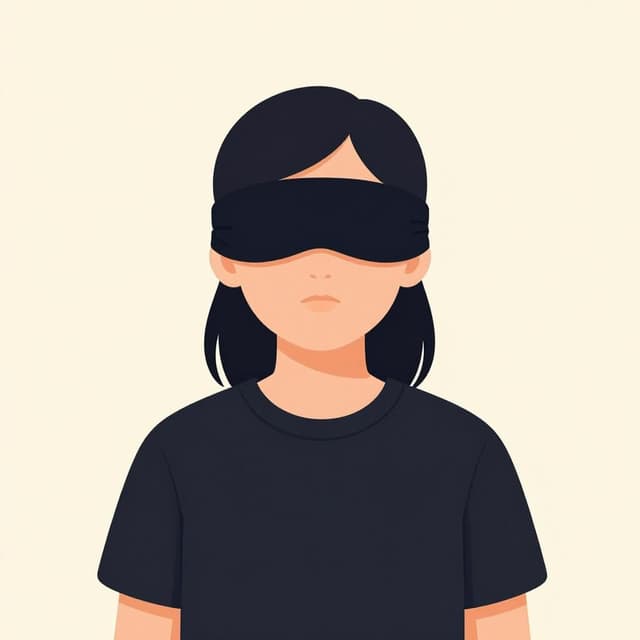
cegar — to blind
Cegar undergoes an e-ie stem change and a g-gu spelling change in the present subjunctive.
cegar Present Subjunctive Forms
When to Use the Present Subjunctive
Use this tense when expressing a wish, doubt, or emotion about someone being blinded, either literally by light or figuratively by love or anger.
Notes on cegar in the Present Subjunctive
This tense features two changes: the 'e' becomes 'ie' in all forms except nosotros/vosotros, and the 'g' changes to 'gu' in all forms to keep the hard 'g' sound.
Example Sentences
Espero que la luz no te ciegue.
I hope the light doesn't blind you.
él/ella/usted
Dudo que las mentiras los cieguen.
I doubt the lies will blind them.
ellos/ellas/ustedes
Es mejor que no nos ceguemos por el odio.
It is better that we don't get blinded by hate.
nosotros
Common Mistakes
Mistake: ciege
Correct: ciegue
Why: Without the 'u', the 'g' would sound like an 'h' (as in 'gente'). The 'gu' preserves the original hard sound of 'cegar'.
Master Spanish verbs in context
Memorizing tables only gets you so far. Read 200+ illustrated and narrated Spanish stories to see verbs like 'cegar' used naturally — in the tenses you're learning.
Related Tenses
Present
yo: ciego
Cegar is a stem-changing verb (e-ie) in the present tense (ciego, ciegas...).
Preterite
yo: cegué
Cegar has a spelling change only in the 'yo' form (cegué) to maintain the hard 'g' sound.
Imperfect
yo: cegaba
The imperfect of cegar is regular: cegaba, cegabas, cegaba...
Future
yo: cegaré
The future tense of cegar is completely regular: cegaré, cegarás, cegará...
Conditional
yo: cegaría
The conditional of cegar is regular: cegaría, cegarías, cegaría...
Imperfect Subjunctive
yo: cegara
The imperfect subjunctive of cegar is regular in its stem (cegar-).
Affirmative Imperative
yo: ciega
The imperative of cegar uses 'ciega' (tú) and 'ciegue' (usted).
Negative Imperative
yo: no ciegues
The negative imperative uses present subjunctive forms: no ciegues, no ciegue.