empatar Future Conjugation
empatar — to tie
The future tense of empatar is regular: empataré, empatarás, empatará, empataremos, empataréis, empatarán.
empatar Future Forms
When to Use the Future
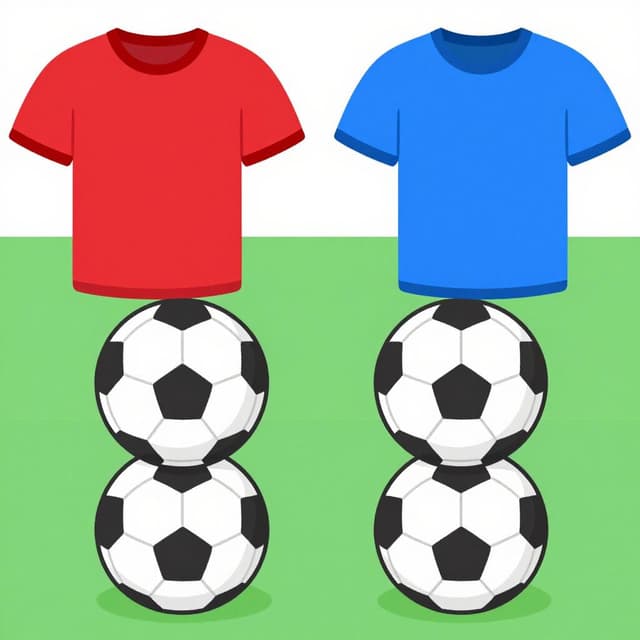
Use the future tense to talk about actions that will happen. For 'empatar,' it's about tying something in the future, like 'we will tie the score' or 'I will tie my shoes later'. It can also express probability.
Notes on empatar in the Future
'Empatar' is regular in the future indicative. The entire infinitive 'empatar-' is used as the stem, followed by the standard future endings.
Example Sentences
Mañana empataré el nudo de la bandera.
Tomorrow I will tie the flag's knot.
yo
¿Tú empatarás el partido si tienes la oportunidad?
Will you tie the game if you get the chance?
tú
El árbitro cree que él empatará el récord.
The referee thinks he will tie the record.
él/ella/usted
Ellos empatarán el marcador en los últimos minutos.
They will tie the score in the final minutes.
ellos/ellas/ustedes
Common Mistakes
Mistake: Using 'ir a + infinitive' instead of the simple future.
Correct: While 'van a empatar' is common, the simple future 'empatarán' is also correct and sometimes preferred.
Why: Learners often default to the 'ir a' construction, neglecting the simple future tense.
Mistake: Incorrectly conjugating the ending.
Correct: The 'yo' ending is '-é' (empataré), not '-é' with a different stem.
Why: Confusion can arise with irregular future stems, but 'empatar' is regular.
Master Spanish verbs in context
Memorizing tables only gets you so far. Read 200+ illustrated and narrated Spanish stories to see verbs like 'empatar' used naturally — in the tenses you're learning.
Related Tenses
Present
yo: empato
The present tense of empatar is regular: empato, empatas, empata, empatamos, empatáis, empatan.
Preterite
yo: empaté
The preterite of empatar is regular: empaté, empataste, empató, empatamos, empatasteis, empataron.
Imperfect
yo: empataba
The imperfect of empatar is regular: empataba, empatabas, empataba, empatábamos, empatabais, empataban.
Conditional
yo: empataría
The conditional of empatar is regular: empataría, empatarías, empataría, empataríamos, empataríais, empatarían.
Present Subjunctive
yo: empate
The present subjunctive of empatar expresses wishes, doubts, or emotions: empate, empates, empatemos, empaten.
Imperfect Subjunctive
yo: empatara
The imperfect subjunctive of empatar (-ra or -se) expresses past hypotheticals or wishes: empatara, empataras, empatáramos, empataran.
Affirmative Imperative
yo: empata
The imperative of empatar has regular commands: empata, empate, empatemos, empatad, empaten.
Negative Imperative
yo: no empates
Negative commands for empatar use the present subjunctive: no empates, no empate, no empatemos, no empatéis, no empaten.