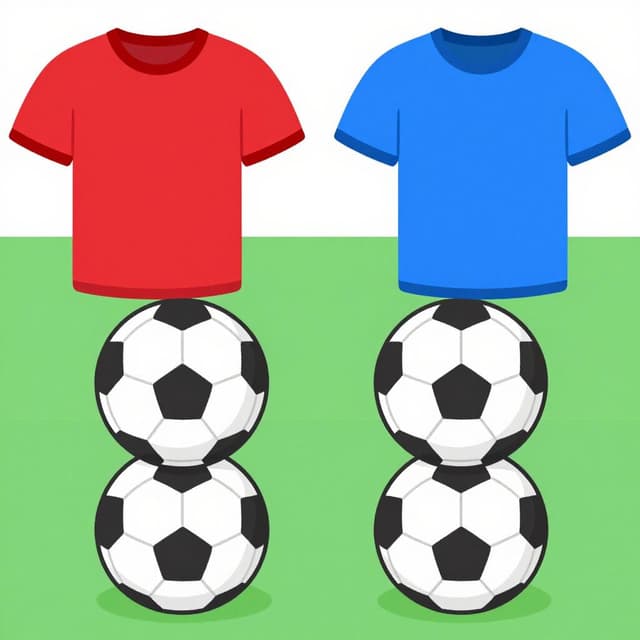
empatar Preterite Conjugation
empatar — to tie
The preterite of empatar is regular: empaté, empataste, empató, empatamos, empatasteis, empataron.
empatar Preterite Forms
When to Use the Preterite
Use the preterite for completed actions in the past, like tying a specific knot at a particular moment or a game ending in a tie at a certain score.
Notes on empatar in the Preterite
'Empatar' is regular in the preterite. All the endings are standard for -ar verbs.
Example Sentences
Yo empaté el cordón de mi zapato rápidamente.
I tied my shoe lace quickly.
yo
¿Tú empataste el último partido?
Did you tie the last game?
tú
El equipo empató el marcador en el minuto 85.
The team tied the score in the 85th minute.
él/ella/usted
Ellos empataron el juego con un gol de último minuto.
They tied the game with a last-minute goal.
ellos/ellas/ustedes
Common Mistakes
Mistake: Using 'empatamos' (present) instead of 'empatamos' (preterite) for 'we tied'.
Correct: For a completed past action, 'nosotros empatamos' is the preterite.
Why: The 'nosotros' form in the present indicative and preterite is identical for regular -ar verbs, so context is key.
Mistake: Forgetting the accent on 'empató' (he/she/you tied).
Correct: The third-person singular preterite form is 'empató' with an accent.
Why: The accent marks the stress on the final syllable and distinguishes it from other forms.
Master Spanish verbs in context
Memorizing tables only gets you so far. Read 200+ illustrated and narrated Spanish stories to see verbs like 'empatar' used naturally — in the tenses you're learning.
Related Tenses
Present
yo: empato
The present tense of empatar is regular: empato, empatas, empata, empatamos, empatáis, empatan.
Imperfect
yo: empataba
The imperfect of empatar is regular: empataba, empatabas, empataba, empatábamos, empatabais, empataban.
Future
yo: empataré
The future tense of empatar is regular: empataré, empatarás, empatará, empataremos, empataréis, empatarán.
Conditional
yo: empataría
The conditional of empatar is regular: empataría, empatarías, empataría, empataríamos, empataríais, empatarían.
Present Subjunctive
yo: empate
The present subjunctive of empatar expresses wishes, doubts, or emotions: empate, empates, empatemos, empaten.
Imperfect Subjunctive
yo: empatara
The imperfect subjunctive of empatar (-ra or -se) expresses past hypotheticals or wishes: empatara, empataras, empatáramos, empataran.
Affirmative Imperative
yo: empata
The imperative of empatar has regular commands: empata, empate, empatemos, empatad, empaten.
Negative Imperative
yo: no empates
Negative commands for empatar use the present subjunctive: no empates, no empate, no empatemos, no empatéis, no empaten.