empatar Affirmative Imperative Conjugation
empatar — to tie
The imperative of empatar has regular commands: empata, empate, empatemos, empatad, empaten.
empatar Affirmative Imperative Forms
When to Use the Affirmative Imperative
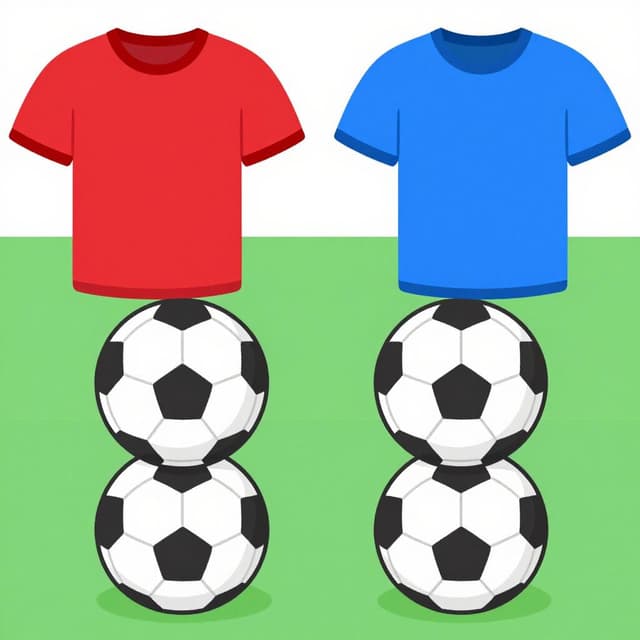
Use the imperative to give direct commands or make requests. For 'empatar,' it's used to tell someone to tie something, like a knot or a shoelace, or to tell a team to tie a game.
Notes on empatar in the Affirmative Imperative
Empatar is regular in the affirmative imperative. The vosotros form, 'empatad,' is formed by dropping the -ar and adding -ad.
Example Sentences
¡Empata el nudo, por favor!
Tie the knot, please!
tú
Empaten el partido, ustedes pueden.
Tie the game, you all can do it.
ustedes
Empatemos juntos para ganar tiempo.
Let's tie (ourselves) together to save time.
nosotros
¡Empatad las agujetas!
Tie your shoelaces!
vosotros
Common Mistakes
Mistake: Using the present indicative instead of imperative for commands.
Correct: Use 'empata' for 'tú' commands, not 'empátas'.
Why: The imperative has distinct forms for commands; the indicative is for statements.
Mistake: Confusing 'empatemos' (let's tie) with other forms.
Correct: 'Empatemos' is specifically for 'nosotros' commands/suggestions.
Why: It's easy to mix up subjunctive and imperative forms for 'nosotros'.
Master Spanish verbs in context
Memorizing tables only gets you so far. Read 200+ illustrated and narrated Spanish stories to see verbs like 'empatar' used naturally — in the tenses you're learning.
Related Tenses
Present
yo: empato
The present tense of empatar is regular: empato, empatas, empata, empatamos, empatáis, empatan.
Preterite
yo: empaté
The preterite of empatar is regular: empaté, empataste, empató, empatamos, empatasteis, empataron.
Imperfect
yo: empataba
The imperfect of empatar is regular: empataba, empatabas, empataba, empatábamos, empatabais, empataban.
Future
yo: empataré
The future tense of empatar is regular: empataré, empatarás, empatará, empataremos, empataréis, empatarán.
Conditional
yo: empataría
The conditional of empatar is regular: empataría, empatarías, empataría, empataríamos, empataríais, empatarían.
Present Subjunctive
yo: empate
The present subjunctive of empatar expresses wishes, doubts, or emotions: empate, empates, empatemos, empaten.
Imperfect Subjunctive
yo: empatara
The imperfect subjunctive of empatar (-ra or -se) expresses past hypotheticals or wishes: empatara, empataras, empatáramos, empataran.
Negative Imperative
yo: no empates
Negative commands for empatar use the present subjunctive: no empates, no empate, no empatemos, no empatéis, no empaten.