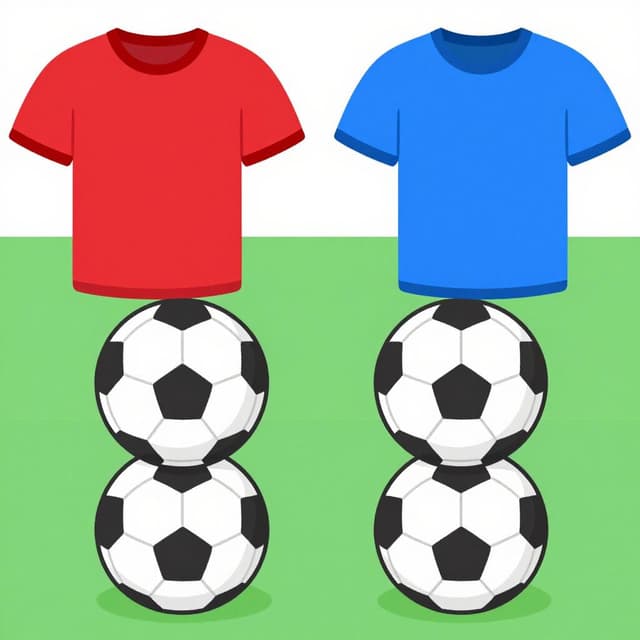
empatar Imperfect Conjugation
empatar — to tie
The imperfect of empatar is regular: empataba, empatabas, empataba, empatábamos, empatabais, empataban.
empatar Imperfect Forms
When to Use the Imperfect
Use the imperfect for ongoing actions in the past, habitual actions, or descriptions. For 'empatar,' it could describe a time when 'they always tied games' or 'he was tying his tie when...'.
Notes on empatar in the Imperfect
'Empatar' is regular in the imperfect indicative. The stem 'empat-' is used with the standard imperfect endings for -ar verbs.
Example Sentences
Yo empataba los zapatos de mi hermano cuando era niño.
I used to tie my brother's shoes when I was a child.
yo
Tú empatabas las cuerdas de manera experta.
You used to tie the ropes expertly.
tú
El equipo empataba muchos partidos esa temporada.
The team used to tie many games that season.
él/ella/usted
Ellos empataban siempre al final del primer tiempo.
They always used to tie at the end of the first half.
ellos/ellas/ustedes
Common Mistakes
Mistake: Using the imperfect for a single, completed past action.
Correct: For a one-time event like 'I tied the knot yesterday', use the preterite: 'empaté'.
Why: The imperfect describes ongoing or habitual past actions, not completed ones.
Mistake: Confusing imperfect ('empataba') with conditional ('empataría').
Correct: 'Empataba' describes past habits/ongoing actions, 'empataría' describes hypothetical 'would tie'.
Why: These tenses have different meanings and uses, but sound somewhat similar.
Master Spanish verbs in context
Memorizing tables only gets you so far. Read 200+ illustrated and narrated Spanish stories to see verbs like 'empatar' used naturally — in the tenses you're learning.
Related Tenses
Present
yo: empato
The present tense of empatar is regular: empato, empatas, empata, empatamos, empatáis, empatan.
Preterite
yo: empaté
The preterite of empatar is regular: empaté, empataste, empató, empatamos, empatasteis, empataron.
Future
yo: empataré
The future tense of empatar is regular: empataré, empatarás, empatará, empataremos, empataréis, empatarán.
Conditional
yo: empataría
The conditional of empatar is regular: empataría, empatarías, empataría, empataríamos, empataríais, empatarían.
Present Subjunctive
yo: empate
The present subjunctive of empatar expresses wishes, doubts, or emotions: empate, empates, empatemos, empaten.
Imperfect Subjunctive
yo: empatara
The imperfect subjunctive of empatar (-ra or -se) expresses past hypotheticals or wishes: empatara, empataras, empatáramos, empataran.
Affirmative Imperative
yo: empata
The imperative of empatar has regular commands: empata, empate, empatemos, empatad, empaten.
Negative Imperative
yo: no empates
Negative commands for empatar use the present subjunctive: no empates, no empate, no empatemos, no empatéis, no empaten.